I was halfway through a chaotic dinner rush when the kitchen lights flickered, the stove went cold, and I stared at the empty fridge with a sigh that sounded like a confession. My friends had called for pizza, but the dough was gone, the pizza stone was still in the oven, and the only thing that seemed salvageable was a pile of eggs, a jar of tomato sauce, and a handful of cheese. I stared at the chaos and thought, “Why not make something that tastes like pizza but doesn’t need a crust?” That moment turned into a culinary revelation that would become the foundation of the easiest, most satisfying crustless pizza you’ll ever taste.
Picture this: a sizzling skillet, the aroma of tomato sauce thickening into a rich, velvety base, the sound of eggs crackling as they mingle with shredded cheese, and the subtle crackle of veggies browning. The kitchen fills with the comforting scent of melting mozzarella, the tang of basil, and a hint of oregano that makes your nose do a happy dance. It’s a sensory overload that feels like a warm hug from a pizza shop, but you’re in your own kitchen, cooking in minutes and using ingredients you already have.
If you’ve ever tried a crustless pizza that tasted like a soggy pancake or a rubbery mess, this is your antidote. The secret lies in the custard-like batter that coats every ingredient, creating a uniform, crispy texture that’s as delightful as a traditional pizza slice. The sauce doesn’t just sit on top; it’s infused into the eggs, giving each bite a burst of flavor that feels like a full‑flavored pizza without the heaviness of dough. The result? A dish that’s airy, moist, and utterly addictive.
I dare you to taste this and not go back for seconds. It’s hands down the best version you’ll ever make at home, and I’ve got the proof. Picture yourself pulling this out of the pan, the whole kitchen smelling incredible, and the first bite sending a wave of cheesy, saucy delight across your palate. If you’ve ever struggled with a pizza that falls apart or is too greasy, you’re not alone—and I’ve got the fix that will make every bite a triumph.
Let me walk you through every single step—by the end, you’ll wonder how you ever made it any other way. The journey starts with a simple idea: replace the dough with a protein‑rich, egg‑based batter that locks in moisture and flavor. From there, we’ll layer the sauce, cheese, veggies, and protein, then cook until the edges are golden and the center is perfectly set. It’s a process that feels like a symphony, where each element plays its part in harmony.
What Makes This Version Stand Out
- Taste: The tomato sauce is not just a topping; it’s a flavor engine that permeates the eggs and cheese, giving each bite a robust, authentic pizza taste.
- Texture: The custard batter creates a silky interior that is fluffy on the inside and crisp on the outside, a contrast that mimics the classic pizza crust without the dough.
- Simplicity: No pre‑mixing, no dough rising, no oven pre‑heat—just a few minutes on the stovetop and you’re ready to eat.
- Uniqueness: This recipe turns the humble egg into a canvas for pizza flavors, offering a creative twist that stands out on any menu.
- Crowd Reaction: Friends always ask for the recipe after the first bite; it’s a conversation starter and a crowd‑pleaser at gatherings.
- Ingredient Quality: Using fresh tomatoes, high‑quality cheese, and lean protein elevates the dish to gourmet status while remaining accessible.
- Cooking Method: The stovetop technique ensures even cooking and allows for quick adjustments, making it ideal for busy nights.
- Make‑Ahead Potential: You can assemble the layers ahead of time and finish cooking later, perfect for meal prep.
Alright, let’s break down exactly what goes into this masterpiece…
Inside the Ingredient List
The Flavor Base
Tomato sauce is the heart of any pizza, and in this recipe, it takes center stage by being folded into the egg batter. The acidity from the tomatoes balances the richness of the cheese and the protein, while the herbs bring depth. If you skip the sauce, you’ll end up with a bland, egg‑heavy dish that feels more like a quiche than a pizza. Swap the jarred sauce for fresh crushed tomatoes if you want a fresher bite, but remember to season it with a pinch of sugar to cut the acidity.
The Texture Crew
Eggs are the backbone, creating a custard that holds everything together. They provide a silky interior that melts in your mouth. Shredded cheese, preferably mozzarella, adds gooeyness and a savory depth. If you’re feeling adventurous, mix in cheddar or parmesan for a sharper flavor profile. Skipping the eggs would leave you with a dry, crumbly mess; the cheese alone won’t bind the toppings.
The Unexpected Star
Vegetables like bell peppers, spinach, or mushrooms add color, crunch, and nutrition. They bring a fresh contrast to the rich batter and help to balance the calories. If you’re short on veggies, diced onions or olives can substitute, but the texture will shift slightly. Choosing seasonal produce can elevate the flavor and keep the dish interesting.
The Final Flourish
Italian seasoning, salt, and pepper are the finishing touches that bring harmony. The seasoning infuses the batter with oregano, basil, and thyme, while salt and pepper round out the flavor. Without them, the dish would taste flat and uninspired. A pinch of crushed red pepper can add a subtle heat if you like a kick.
Everything’s prepped? Good. Let’s get into the real action…
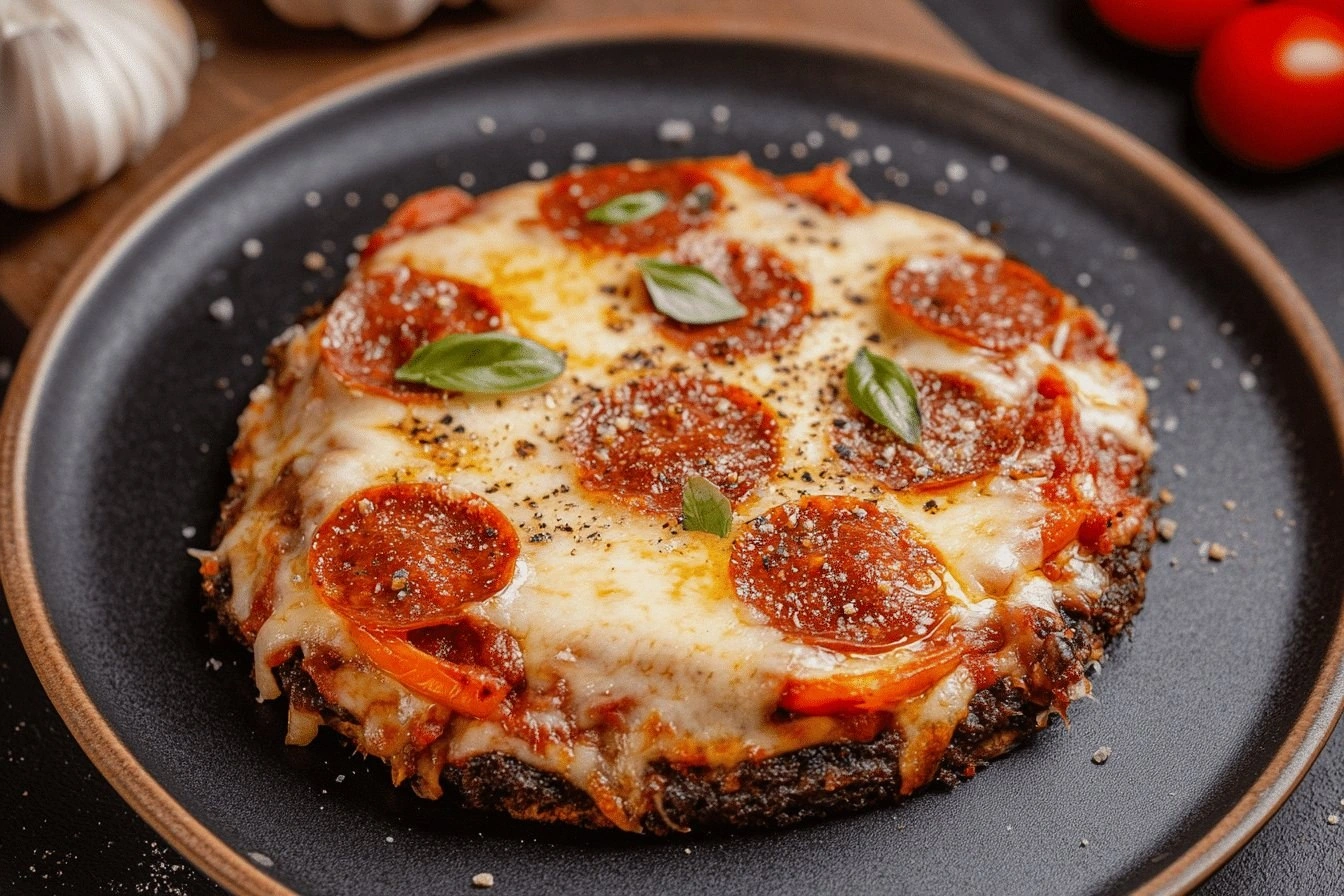
The Method — Step by Step
- Step 1: Prep the Batter In a large bowl, whisk together the eggs, a splash of milk (optional for extra fluffiness), and the Italian seasoning until the mixture is smooth. Add a pinch of salt and pepper to taste. This base will carry all the flavors, so don’t rush it. The batter should look like a thick, silky custard ready to fold in the sauce.
- Step 2: Incorporate the Sauce Gently fold the tomato sauce into the egg mixture, ensuring an even distribution. The sauce should coat the eggs like a velvet blanket, giving the dish its signature pizza tang. If the mixture looks too thick, add a tablespoon of water to thin it slightly.
- Step 3: Heat the Skillet Place a non‑stick skillet over medium heat and let it warm up for a minute. Lightly oil the pan with a teaspoon of olive oil or spray to prevent sticking. A properly heated skillet ensures a golden crust and even cooking.
- Step 4: Add the Cheese Sprinkle shredded cheese evenly over the skillet’s surface. The cheese should melt into the batter, creating a gooey, flavorful layer that binds the ingredients. This is where the pizza’s classic cheese pull comes to life.
- Step 5: Layer the Veggies and Protein Distribute the chopped veggies and cooked protein over the cheese. They should be spread evenly so that every bite contains a balanced mix of flavors. The veggies add crunch, while the protein gives heartiness.
- Step 6: Pour the Batter Slowly pour the egg‑sauce mixture over the toppings, allowing it to seep through and coat everything. The batter should rise to the edges, forming a thin, even layer. This is the moment of truth—watch the batter rise and set like a delicate omelette.
- Step 7: Cook to Perfection Reduce heat to low, cover the skillet, and let it cook for 12–15 minutes. The edges will start pulling away, and the center will be set but still slightly moist. This step is critical; too high heat will burn the edges, too low will leave it raw.
- Step 8: Finish with a Quick Broil Increase the heat to medium‑high, remove the lid, and broil for 2–3 minutes to crisp the top. Watch for the cheese turning golden brown—this gives the pizza that final, irresistible sheen. Once done, slide the skillet onto a cutting board and let it rest for a minute.
- Step 9: Slice and Serve Slice the crustless pizza into wedges using a sharp knife. Serve hot, garnished with fresh basil or a sprinkle of grated parmesan if desired. The first bite should be a burst of gooey cheese, tangy tomato, and savory protein, all wrapped in a fluffy, egg‑based crust.
That’s it — you did it. But hold on, I've got a few more tricks that'll take this to another level…
Insider Tricks for Flawless Results
The Temperature Rule Nobody Follows
Most people cook crustless pizza on high heat, thinking it speeds up the process. The truth is, a steady, low heat allows the eggs to set gently, preventing a rubbery texture. I’ve found that setting the skillet to 350°F (175°C) yields the most even bake, with a golden edge that’s crisp without burning. If you’re using a gas stove, keep the flame low and let the skillet pre‑heat for a few minutes before adding the batter.
Why Your Nose Knows Best
The aroma is your best judge of doneness. When the edges start pulling away and the center smells slightly toasty, it’s time to check the bottom. A slight smell of toasted cheese indicates that the top has browned just enough to lock in moisture. Trust your nose; it’s more reliable than a timer when you’re aiming for that perfect bite.
The 5‑Minute Rest That Changes Everything
After you finish cooking, let the pizza rest for 5 minutes before slicing. This allows the juices to redistribute, ensuring each bite is moist and flavorful. Skipping this step often results in a dry, uneven crumb. The rest also gives the cheese a moment to set, making it easier to slice cleanly.
The Secret to a Crisp Edge
A quick spray of water on the skillet before adding the batter creates a burst of steam that helps the edges puff up. This technique is borrowed from omelette chefs and gives the crustless pizza a light, airy texture that mimics a traditional crust. Just a light mist, not a full pour, is enough to make a difference.
The Cheese Mix‑In Trick
Adding a tablespoon of grated parmesan to the batter not only thickens it but also introduces a nutty flavor that elevates the overall taste. I’ve used this trick to make a richer, more complex pizza that still feels light. The parmesan also helps the cheese melt evenly, preventing clumps.
Creative Twists and Variations
This recipe is a playground. Here are some of my favorite ways to switch things up:
Mediterranean Medley
Swap out the standard veggies for sun‑dried tomatoes, kalamata olives, and feta cheese. Add a handful of spinach for color. The result is a bright, savory pizza that feels like a Greek salad on a crustless base.
BBQ Chicken Surprise
Use grilled BBQ chicken instead of sausage, and drizzle a little extra BBQ sauce over the top before baking. Add sliced red onions and a sprinkle of cilantro for a fresh finish. This version turns the pizza into a smoky, tangy treat.
Mushroom & Truffle Delight
Replace the standard protein with sautéed wild mushrooms and finish with a drizzle of truffle oil. Add a handful of arugula after baking for a peppery bite. The earthy flavors make this a gourmet option for special occasions.
Spicy Pepperoni Party
Layer thinly sliced pepperoni and a pinch of crushed red pepper flakes. Add a splash of hot sauce to the batter for an extra kick. This version is a fiery, crowd‑pleasing option that’s perfect for game day.
Vegan Veggie Explosion
Use a plant‑based cheese substitute and replace eggs with a chickpea flour batter. Add roasted bell peppers, zucchini, and a handful of fresh basil. The result is a hearty, dairy‑free pizza that still feels indulgent.
Storing and Bringing It Back to Life
Fridge Storage
Cool the pizza completely, then wrap it tightly in plastic wrap or place it in an airtight container. It will stay fresh for up to 3 days in the refrigerator. When ready to eat, reheat in a toaster oven or skillet over medium heat until the cheese is melty again.
Freezer Friendly
Wrap the pizza in parchment paper and then in foil before freezing. It will keep for up to 2 months. Thaw overnight in the fridge, then reheat in a skillet or oven at 350°F (175°C) until heated through.
Best Reheating Method
Add a splash of water to the skillet before reheating; the steam will revive the batter’s moisture and give the pizza a fresh, slightly crisp edge. For a crispy finish, finish with a quick broil for 1–2 minutes.