Picture this: I’m standing in my tiny kitchen, a half‑baked baklava on the counter, a jar of honey glistening like liquid gold, and a sudden dare from my roommate that I couldn’t refuse—“Make a cheesecake that screams baklava, or I’ll never let you host again.” I laughed, grabbed the nearest phyllo sheet, and what happened next was pure culinary chaos that somehow turned into brilliance. The air filled with the sweet perfume of toasted nuts, the buttery crackle of phyllo layers, and a whisper of vanilla that made my nose do a little happy dance. I swear, the whole apartment smelled like a Turkish market meets a New York cheesecake bakery, and I was already picturing the first bite as a symphony of textures.
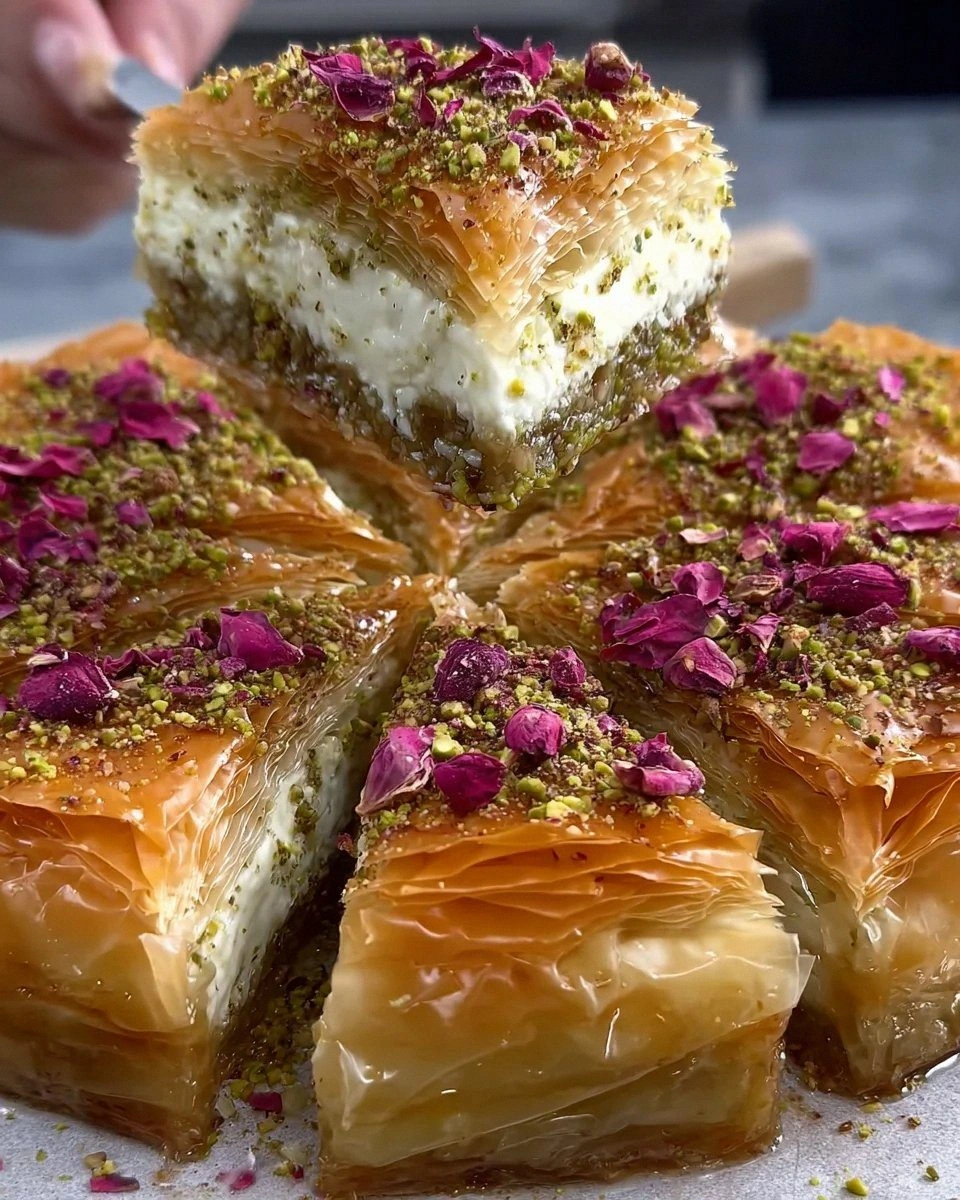
Now, let me paint the scene for you: the golden‑brown crust, crisp as a fresh autumn leaf, the creamy interior that slides off the spoon like silk, and that final drizzle of honey that glistens like sunrise on a pistachio‑green sea. The crunch of pistachios against the smooth tang of Greek yogurt creates a contrast that’s almost theatrical—think of it as the culinary version of a fireworks finale, except you get to eat the fireworks. The moment you cut into it, the layers separate just enough to reveal a glossy honey river flowing through a mountain of nutty goodness. If you’ve ever struggled to get that perfect balance between flaky and creamy, you’ll understand why this is the holy grail of dessert engineering.
I’ve tried dozens of baklava‑inspired cheesecakes, and most of them either end up soggy, overly sweet, or just plain confusing. Most recipes get this completely wrong—either they drown the cheesecake in syrup or they forget the crucial step of brushing butter between every phyllo sheet, resulting in a soggy mess that even a toddler would reject. Here’s the kicker: the secret isn’t a secret at all; it’s about respecting each component and giving it the love it deserves. I’m talking about a precise butter‑brush technique, a honey‑infused filling that never curdles, and a pistachio garnish that adds that final pop of color and crunch.
And now, the fun part: I’m going to walk you through every single step—yes, every buttery brushstroke, every swirl of honey, every moment you hear the phyllo sizzle. By the end, you’ll wonder how you ever made any other version, because this is hands down the best version you’ll ever make at home. I dare you to taste this and not go back for seconds. Ready? Let’s dive in.
What Makes This Version Stand Out
- Flavor Fusion: The marriage of classic baklava spices—cinnamon and honey—with the tangy richness of cream cheese creates a flavor profile that’s both familiar and wildly new. It’s like your taste buds are on a world tour, stopping first in Istanbul and then in New York.
- Texture Contrast: You get crisp, buttery phyllo layers that shatter like delicate glass, a velvety cheesecake interior that melts in your mouth, and a crunchy pistachio topping that adds a satisfying bite. The combination is pure textural poetry.
- Simplicity Meets Sophistication: Despite the impressive result, the ingredient list is straightforward, and the technique is manageable for a confident home baker. No fancy equipment, just a good oven and a little patience.
- Visual Wow Factor: The golden‑brown top glazed with honey and sprinkled with emerald pistachios looks like a piece of edible art. It’s the kind of dessert that makes Instagram followers swoon and guests ask for the recipe immediately.
- Crowd‑Pleaser: Whether you’re serving it at a holiday dinner, a brunch, or a casual get‑together, this cheesecake steals the show. I’ve watched entire families pause mid‑conversation, eyes wide, as the first slice is served.
- Ingredient Quality: Using real Greek yogurt for tang, high‑quality unsalted butter for richness, and fresh pistachios for flavor ensures every bite is premium. Skipping on quality is the fastest way to a disappointing dessert.
- Make‑Ahead Magic: This cheesecake can be prepared a day ahead, allowing the flavors to meld and the phyllo to set perfectly. That means you can spend more time with guests and less time in the kitchen.
- Seasonal Flexibility: While pistachios give it a spring‑like vibe, the honey and spices make it cozy enough for winter. It truly works year‑round, which is why I keep it on my rotation.
Inside the Ingredient List
The Flavor Base
Honey: This is the golden thread that ties the entire dessert together. It adds a floral sweetness that’s deeper than regular sugar, and when warmed, it becomes a glossy glaze that drapes the cheesecake like a silk shawl. Skipping honey means losing that signature baklava sparkle, and trust me, you’ll notice. If you’re allergic to honey, a light maple syrup can work, but the flavor will shift toward a more autumnal profile.
Cinnamon: A pinch of this warm spice awakens the pistachios and adds a subtle aromatic backdrop that whispers of Middle Eastern bazaars. Too much, and it overwhelms; too little, and the flavor feels flat. I recommend freshly ground cinnamon for the most vibrant aroma.
The Texture Crew
Phyllo Dough: This delicate pastry forms the crispy base of the cheesecake. If using frozen, ensure it’s fully thawed before starting; otherwise, it will tear when you try to layer it. The sheets should be handled gently—think of them as paper-thin silk. If you can’t find phyllo, you can substitute with very thin puff pastry, but the texture will be a bit puffier.
Unsalted Butter: Melted butter is brushed between phyllo layers to provide richness and help achieve a golden‑brown color. It also prevents the sheets from sticking together, ensuring each layer crisps up beautifully. Use real butter, not margarine, for that authentic flavor.
Pistachios (Finely Chopped & Ground): Finely chopped pistachios are mixed into the crust and the filling for nutty depth, while ground pistachios are sprinkled on top for texture and visual appeal. Their bright green hue makes the dish pop, and their buttery flavor is unmatched. If pistachios are out of season, try toasted almonds for a different, yet still delicious, crunch.
Walnuts or Almonds (Optional): Adding a handful of these nuts introduces extra nuttiness and a subtle earthiness. It’s a great way to customize the texture and flavor profile based on personal preference.
The Unexpected Star
Cream Cheese: The heart and soul of the cheesecake, it must be softened to ensure a smooth, creamy filling. Cold cream cheese will leave lumps that ruin the silky texture. I recommend letting it sit at room temperature for about 30 minutes before mixing.
Greek Yogurt (or Sour Cream): This adds tanginess and creaminess, making the cheesecake both light and rich. It also helps keep the filling from becoming too dense. If you opt for sour cream, the flavor will be slightly richer and the texture a tad thicker.
Vanilla Extract: A hint of vanilla enhances overall flavor and complements the sweetness of the dish. Use pure vanilla extract, not imitation, for the best aroma.
Cornstarch: This acts as a stabilizer, helping the cheesecake to set perfectly despite its creamy components. Without it, the filling could become runny, especially after refrigeration.
The Final Flourish
Ground Pistachios (Garnish): Sprinkled on top for texture and flavor, they are a delightful finishing touch that adds a pop of color and a final crunch. They also reinforce the pistachio theme, tying the whole dessert together.
Dried Rose Petals (Optional): For a touch of elegance, these edible petals add a unique floral note and an eye‑catching garnish that makes the cake look like it belongs in a high‑end patisserie. If you can’t find them, a light dusting of powdered sugar works as a visual substitute.
Warm Honey (Drizzle): Drizzling this over the finished cheesecake not only adds sweetness but also enhances visual appeal. The warm honey creates a glossy finish that makes the cake look irresistibly inviting.
Everything's prepped? Good. Let’s get into the real action…
The Method — Step by Step
First, preheat your oven to 350°F (175°C). While the oven warms up, lay out a clean kitchen towel and place a sheet of phyllo on it. Brush the sheet lightly with melted butter, then layer another sheet on top and repeat until you have six sheets stacked. This butter‑brush routine is the secret to that perfect golden crunch—skip it and you’ll end up with soggy pastry, which is a culinary tragedy. I dare you to try baking without butter on the phyllo and see if you can still achieve that crisp edge.
Kitchen Hack: Keep a spray bottle of melted butter nearby; a quick mist ensures even coverage without over‑saturating the dough.Now, combine the chopped pistachios, optional walnuts or almonds, sugar, and cinnamon in a bowl. Toss them together until the sugar clings to the nuts, creating a sweet‑spicy coating that will later caramelize in the oven. This mixture forms the crunchy heart of the crust, and the aroma that rises as it bakes is nothing short of intoxicating. If you prefer a less sweet crust, reduce the sugar by a tablespoon; the nuts will still provide enough natural sweetness.
Spread the nut mixture evenly over the buttered phyllo stack, pressing gently with the back of a spoon. Then, roll the phyllo into a tight log, like a sushi roll, and carefully coil it into the bottom of a 9‑inch springform pan, forming a neat, even crust. The coil should be about an inch high all around. This step is where the baklava spirit truly shines—if the coil is uneven, the cheesecake may tilt, but a little wobble adds rustic charm.
In a large mixing bowl, beat the softened cream cheese until smooth and creamy—no lumps allowed. Add the Greek yogurt, vanilla extract, and a pinch of salt, then continue beating until the mixture is light and airy. The texture should be like a fluffy cloud, ready to envelope the crust with a velvety hug. Pro tip: Scrape the sides of the bowl frequently to ensure an even blend.
In a separate small bowl, whisk together cornstarch with a splash of warm honey until fully dissolved. This honey‑cornstarch slurry will act as a stabilizer, preventing the filling from weeping later on. Pour the slurry into the cream cheese mixture and beat until fully incorporated. The honey adds a subtle floral note that mirrors the baklava glaze, while the cornstarch guarantees a firm set after chilling.
Fold the finely chopped pistachios into the cheesecake batter, reserving a handful for the topping. This infusion adds a delightful crunch throughout the filling, ensuring every bite has that signature pistachio pop. If you’re feeling adventurous, sprinkle a pinch of ground rose petals into the batter for a whisper of floral intrigue.
Pour the batter over the prepared phyllo crust, smoothing the top with an offset spatula. Tap the pan gently on the counter to release any air bubbles—those bubbles can cause cracks during baking, which is a nightmare for presentation. Once the surface is level, drizzle a generous amount of warm honey over the top, allowing it to seep into the edges and create a caramelized sheen.
Watch Out: Over‑baking will turn the honey into a hard caramel crust; keep a close eye after 25 minutes and remove the cake when the edges are golden and the center is just set.Slide the springform pan onto a baking sheet (to catch any drips) and place it in the preheated oven. Bake for 30‑35 minutes, or until the phyllo is a deep golden brown and the cheesecake edges are lightly puffed. The aroma at this stage is so intoxicating you’ll want to open the oven door—resist! Opening the door early can cause the cheesecake to sink.
Once baked, turn off the oven, crack the door open just a crack, and let the cheesecake sit inside for 10 minutes. This gentle cooling prevents a sudden temperature shock that could crack the surface. Then, remove the cake from the oven and let it cool completely on a wire rack. After it reaches room temperature, refrigerate for at least 4 hours, preferably overnight, to let the flavors meld and the texture set perfectly.
Before serving, sprinkle the reserved chopped pistachios and ground pistachios over the top, and if you’re feeling fancy, scatter a few dried rose petals for that Instagram‑worthy finish. Finally, warm a small amount of honey and drizzle it in a decorative pattern over the surface. The warm honey will cascade down the sides, creating a glossy finish that looks as good as it tastes. And now the fun part—slice, serve, and watch your guests’ faces light up.
Kitchen Hack: Use a hot, wet knife to cut clean slices; the heat prevents the knife from sticking to the creamy filling.
That's it — you did it. But hold on, I've got a few more tricks that'll take this to another level…
Insider Tricks for Flawless Results
The Temperature Rule Nobody Follows
Never, ever bake a cheesecake straight from the fridge. Let the batter sit at room temperature for at least 30 minutes before pouring it over the crust. The reason? A warm batter spreads more evenly, preventing those dreaded “high‑spot” bubbles that cause cracks. I once tried to rush the process, and the top cracked like a dried riverbed—trust me, the visual horror is not worth the few minutes saved.
Why Your Nose Knows Best
When the phyllo starts to turn golden, your kitchen will fill with a buttery, nutty perfume that’s impossible to ignore. That scent is your cue that the crust is reaching perfection. If you rely solely on a timer, you might over‑bake; trust your nose, and you’ll achieve that perfect caramelized edge every time. I’ve found that the moment the scent turns slightly sweet, the cake is ready to be pulled out.
The 5‑Minute Rest That Changes Everything
After baking, let the cheesecake rest in the turned‑off oven with the door ajar for exactly five minutes. This gentle cooling step lets the interior finish setting without shocking the delicate phyllo. Skipping this step often results in a center that’s too loose, making the slice wobble. The five‑minute rest is a tiny habit that yields a dramatically more stable cake.
Butter Brush Consistency
Use melted butter that’s just warm, not hot. Hot butter can make the phyllo soggy, while cold butter won’t spread evenly. A good rule of thumb is to test the butter on a spoon; it should coat the back of the spoon without dripping. This ensures each layer gets a thin, even veil of richness, which translates into that flawless crunch we all crave.
Honey Warm‑Up Technique
Before drizzling, warm the honey just enough to become pourable—about 110°F (43°C). Warm honey spreads more evenly, creating a beautiful glaze without pooling. If you pour cold honey, it will solidify instantly, leaving unsightly clumps. A quick microwave for 10‑15 seconds does the trick; just be careful not to overheat, or you’ll lose the delicate floral notes.
Creative Twists and Variations
This recipe is a playground. Here are some of my favorite ways to switch things up:
Pistachio‑Rose Delight
Swap half of the ground pistachios for finely crushed dried rose petals in the topping. The floral note deepens the Middle Eastern vibe, making it perfect for a romantic dinner. The petals also add a subtle pink hue that looks stunning against the honey glaze.
Chocolate Baklava Cheesecake
Fold ½ cup of melted dark chocolate into the cream cheese mixture, and sprinkle a thin layer of cocoa powder over the phyllo crust before baking. This creates a decadent chocolate‑infused version that satisfies any chocolate lover while still honoring the baklava roots.
Citrus‑Infused Version
Add the zest of one orange and a tablespoon of orange blossom water to the batter. The citrus brightens the dense cheesecake, giving it a fresh, summery twist. Pair it with a drizzle of orange‑honey for an extra zing.
Nut‑Free Alternative
If you have nut allergies, replace the pistachios and walnuts with toasted pumpkin seeds and sunflower seeds. The seeds provide a comparable crunch and a slightly earthy flavor that still pairs beautifully with the honey and phyllo.
Vegan Adaptation
Swap the cream cheese for a vegan cream cheese alternative, use coconut yogurt instead of Greek yogurt, and replace butter with a high‑quality vegan butter. Use a vegan phyllo (most store‑bought phyllo is already vegan). The result is a plant‑based version that still delivers the same textural contrast.
Storing and Bringing It Back to Life
Fridge Storage
Cover the cheesecake loosely with plastic wrap or a silicone lid and store it in the refrigerator. It will keep fresh for up to 5 days. The phyllo may lose a touch of crispness, but the honey glaze helps retain some of that snap. For the best texture, re‑warm the slices briefly before serving.
Freezer Friendly
Wrap the entire cheesecake in a double layer of foil, then place it in an airtight freezer bag. It freezes well for up to 2 months. When you’re ready to enjoy it, thaw it overnight in the fridge, then let it sit at room temperature for 30 minutes before serving. This gradual thaw prevents condensation from sogging the phyllo.
Best Reheating Method
Preheat your oven to 300°F (150°C). Place the cheesecake on a baking sheet and warm for about 10‑12 minutes, or until the honey glaze becomes glossy again. Add a tiny splash of water (about a tablespoon) to the bottom of the pan; the steam will revive the phyllo’s crispness without drying out the creamy interior. Slice and serve while still warm for that melt‑in‑your‑mouth experience.