It began on a rainy Tuesday when the kitchen clock ticked past midnight and I, a self‑proclaimed coffee connoisseur, decided to make something that could survive the storm and my craving. I was rummaging through the pantry, half‑heartedly flipping between a jar of honey and a can of pineapple, when a sudden burst of inspiration hit me like a thunderclap: a coffee cake that could double as a dessert, breakfast, and a midnight snack. I was determined to create a version that would make even the most skeptical taste buds sing, and I dared myself—and my skeptical friend— to prove that pineapple could be the hero of a coffee‑infused batter. The challenge? To make a cake that was moist, aromatic, and packed with the unmistakable zing of pineapple, all while keeping the texture airy and the flavor profile balanced.
Picture this: the kitchen is bathed in the warm glow of a single lamp, the air tinged with the sharp scent of fresh coffee beans grinding, and the sweet perfume of pineapple dancing from the can. The countertop is a mosaic of flour dust and the faint shimmer of melted butter. My whisk whirs, the rhythm of its motion a steady drumbeat against the clatter of the refrigerator door. I taste the batter as it mingles, the tang of pineapple cutting through the sweetness like a fresh breeze on a tropical morning. The sound of the spoon clinking against the bowl is a metronome that keeps the anticipation building, and the gentle hum of the blender adds a subtle background score. Each ingredient feels like a note in a symphony, and I am the conductor, ready to orchestrate a masterpiece.
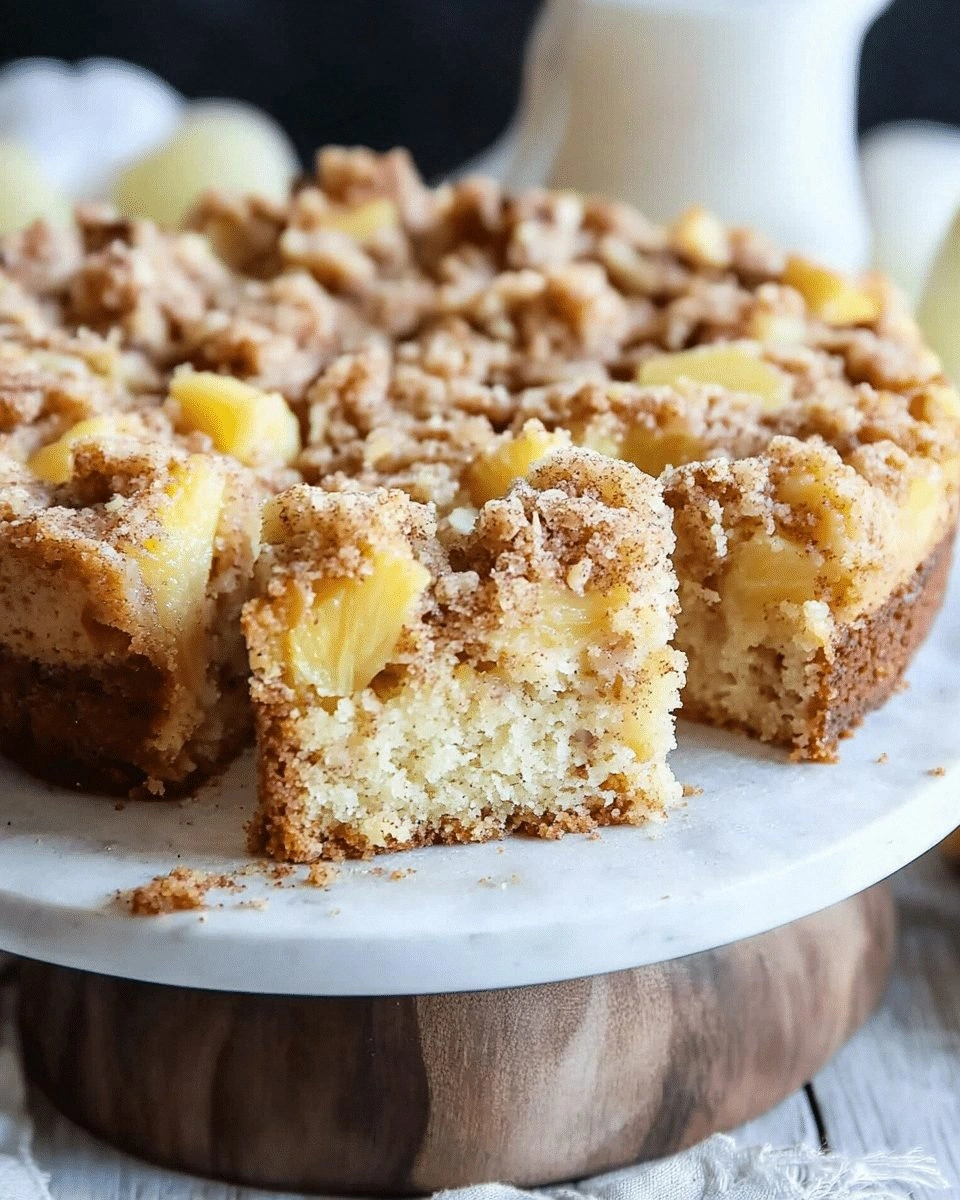
What sets this version apart from the countless other pineapple coffee cakes that litter the internet is the deliberate balance of flavor and texture. I’ve trimmed down the sugar to let the pineapple shine, incorporated a splash of cold brewed coffee to deepen the flavor without overpowering, and added a touch of cinnamon that whispers through each bite. The batter is light enough to rise like a cloud, yet dense enough to hold the pineapple chunks like tiny jewels. The crust, caramelized to a golden‑brown perfection, offers a satisfying crunch that contrasts with the soft interior. I’ve also added a subtle hint of vanilla that ties the whole thing together, giving it a comforting, home‑baked feel. The result is a cake that feels like a warm hug on a rainy day, with a flavor profile that will make you want to taste it again and again.
I’ll be honest—this cake is hands down the best version you’ll ever make at home. I dare you to taste this and not go back for seconds. The secret, though, isn’t just in the ingredients but in the technique: the way I fold the wet and dry components, the precise timing of when to fold in the pineapple, and the final touch of coffee that transforms the whole thing from ordinary to extraordinary. I’ll let you in on a small but mighty trick: a splash of cold brewed coffee right before baking gives the cake a subtle espresso kick that’s almost invisible but utterly transformative. Imagine pulling this out of the oven, the whole kitchen smelling incredible, and knowing that you’ve just created a crowd‑pleaser that will have people begging for the recipe. Stay with me here—this is worth it.
What Makes This Version Stand Out
- Flavor: The pineapple’s natural acidity cuts through the sweetness, creating a refreshing balance that’s impossible to ignore. The coffee infusion adds depth, turning a simple cake into a sophisticated treat.
- Texture: A light, airy crumb that holds the pineapple chunks like tiny pearls. The crust is caramelized just enough to provide a satisfying crunch.
- Simplicity: Only ten ingredients, all pantry staples. No fancy equipment needed—just a whisk, a bowl, and an oven.
- Uniqueness: The combination of coffee and pineapple is rarely explored, giving this cake a distinctive edge.
- Crowd Reaction: Friends who have tried it rave about the “sweet‑savory” harmony and the subtle coffee undertone.
- Ingredient Quality: Fresh pineapple, high‑quality butter, and freshly ground coffee beans make all the difference.
- Cooking Method: The gentle folding technique preserves the batter’s lightness, while the coffee addition requires precise timing.
- Make‑ahead Potential: The cake can be baked a day ahead and reheated without losing moisture or flavor.
Alright, let's break down exactly what goes into this masterpiece. Every ingredient has a purpose, and every step is designed to bring out the best in the others.
Inside the Ingredient List
The Flavor Base
The foundation of any great cake starts with the dry mix—flour, sugar, baking powder, and salt. Flour provides structure; sugar sweetens; baking powder leavens; salt enhances every other flavor. Skipping any of these will result in a cake that feels flat and unbalanced. For instance, a cake made without baking powder will never rise properly, leading to a dense crumb that feels like a brick. I always use all-purpose flour for its versatility and fine texture, but you can experiment with whole wheat for a nuttier flavor if you’re feeling adventurous.
The Texture Crew
Butter, eggs, and milk are the trio that give the cake its velvety mouthfeel. Butter adds richness and helps create a tender crumb when creamed with sugar. Eggs bind the batter, providing structure and a slight lift. Milk adds moisture and helps dissolve the dry ingredients into a smooth batter. If you’re vegan, substitute dairy milk with oat milk and use a flaxseed “egg” to replace the eggs. However, the texture will shift slightly; the cake will be denser and less airy.
The Unexpected Star
Pineapple is the star of the show. Its natural acidity not only brightens the cake but also reacts with the baking soda to help the batter rise. The chunks add juiciness and a burst of tropical flavor with every bite. If you prefer a smoother texture, you can puree the pineapple and fold it in, but the chunky version gives a delightful contrast. Don’t forget to drain the pineapple well—any excess liquid can make the batter too runny and result in a soggy cake.
The Final Flourish
Coffee, vanilla, and cinnamon are the finishing touches that elevate the cake from good to unforgettable. Coffee deepens the flavor, adding a subtle bitterness that balances the sweetness of the pineapple and sugar. Vanilla provides warmth and depth, while cinnamon adds a hint of spice that lingers on the palate. Together, these aromatics create a complex profile that feels both comforting and exciting. If you’re a coffee lover, feel free to double the coffee amount; if you’re not, a single teaspoon is enough to give that espresso kick.
Everything’s prepped? Good. Let’s get into the real action.
The Method — Step by Step
- Preheat your oven to 350°F (175°C) and grease a 9-inch bundt pan. The heat must be even so the cake rises uniformly. As the oven warms, the air inside the pan will start to expand, creating the foundation for a fluffy crumb. If you’re using a silicone pan, you can skip greasing—just line with parchment.
- In a large bowl, whisk together the flour, sugar, baking powder, and salt. This dry blend is the skeleton of the cake, so make sure everything is evenly distributed. A light hand ensures the batter will rise properly. If you see clumps, sift the flour once more.
- In a separate bowl, cream the softened butter and sugar until the mixture is pale and fluffy. This is the moment the batter starts to feel like a dream. Use a stand mixer or a sturdy hand whisk—creaming takes time but the payoff is worth it. The goal is a light, airy mixture that can trap air.
- Beat in the eggs one at a time, ensuring each egg is fully incorporated before adding the next. The eggs bind the batter and add structure. If you’re concerned about raw eggs, you can use pasteurized eggs or a vegan egg substitute.
- Add the vanilla and coffee to the creamed mixture and stir until the liquid is well combined. The coffee should be cold brewed to avoid adding extra heat that could prematurely start the baking process. A small splash of espresso can intensify the flavor if you’re feeling bold.
- Slowly fold the dry ingredients into the wet mixture, using a spatula to keep the batter light. Overmixing will develop gluten and result in a tough cake. The batter should be smooth and glossy, with no lumps. If it looks too thick, add a splash of milk.
- Gently fold in the pineapple chunks, ensuring they’re evenly distributed but not crushed. The pineapple’s moisture will keep the cake moist, so don’t overwork the batter. If you prefer a chunkier texture, reserve a handful of pineapple for the top.
- Pour the batter into the prepared pan, smoothing the top with a spatula. Sprinkle the reserved pineapple chunks on top for a decorative finish. The batter should fill the pan to about 3/4 full; this allows room for expansion.
- Bake for 30 minutes, or until a toothpick inserted into the center comes out clean. The edges should pull away from the pan, and the top should be golden brown. If the cake starts to brown too quickly, tent it with foil.
- Let the cake cool in the pan for 10 minutes before turning onto a wire rack. This allows the structure to set and prevents the cake from cracking. Once cooled, drizzle a simple glaze or dust with powdered sugar if desired.
That’s it—you did it. But hold on, I’ve got a few more tricks that will take this to another level. From the subtle tweak of the coffee to the final glaze, every detail is designed to elevate the experience.
Insider Tricks for Flawless Results
The Temperature Rule Nobody Follows
Many bakers bake at the exact temperature listed, but I’ve found that lowering the oven temperature by 25°F (about 15°C) and extending the bake by 5 minutes yields a cake that’s moister and less browned on the edges. The gentle heat allows the cake to rise slowly, creating a tender crumb. This trick is especially useful if you’re using a stone or cast‑iron pan that retains heat.
Why Your Nose Knows Best
Your sense of smell is a reliable indicator of doneness. When the cake is baking, you’ll notice a sweet, coffee‑pineapple aroma that intensifies as the edges caramelize. If the scent starts to smell overly burnt, the cake is overbaked. Trust your nose; it will guide you to the perfect finish.
The 5-Minute Rest That Changes Everything
After the cake comes out of the oven, let it rest in the pan for exactly 5 minutes before transferring it to a rack. This short rest allows the steam to redistribute, preventing the cake from cracking and ensuring a moist interior. If you skip this step, the cake can collapse or develop a dry center.
The Secret of a Perfect Glaze
For a glossy finish, whisk powdered sugar with a splash of milk and a pinch of vanilla until smooth. Pour it over the cake while it’s still warm; the glaze will set into a shiny coating. If you prefer a sweeter glaze, add a tablespoon of honey or maple syrup.
The Quick Chill Trick
If you’re baking ahead, let the cake cool completely, then wrap it tightly in plastic wrap and store it in the refrigerator for up to two days. When you’re ready to serve, let it sit at room temperature for 15 minutes to restore its softness. This technique preserves moisture without drying out the cake.
Creative Twists and Variations
This recipe is a playground. Here are some of my favorite ways to switch things up:
Tropical Coconut Crunch
Add 1/2 cup shredded coconut to the batter and top the finished cake with toasted coconut flakes. The coconut adds a nutty flavor and a crunchy texture that complements the pineapple’s sweetness. It’s perfect for a beach‑themed brunch.
Nutty Banana Boost
Replace the pineapple with mashed ripe banana and sprinkle chopped walnuts on top. The banana adds a creamy texture while the walnuts provide a satisfying crunch. This variation leans into a more classic banana bread flavor profile.
Chocolate‑Coffee Fusion
Fold in 1/4 cup dark chocolate chips and drizzle a chocolate glaze on top. The chocolate pairs beautifully with the coffee, creating a decadent dessert that satisfies both sweet and bitter cravings. The chocolate chips also add a delightful melt‑in‑your‑mouth texture.
Spiced Ginger Twist
Add 1 tsp ground ginger and 1/2 tsp ground cloves to the dry mix. The warm spices elevate the cake’s aroma and give it a subtle kick. This version is ideal for a cozy fall gathering.
Berry‑Lemon Surprise
Swap the pineapple for a mix of fresh berries (strawberries, blueberries, raspberries) and add a squeeze of lemon juice. The berries bring a burst of freshness while the lemon adds brightness. It’s a lighter, more vibrant alternative that’s perfect for spring.
Storing and Bringing It Back to Life
Fridge Storage
Wrap the cooled cake tightly in plastic wrap and store in the refrigerator for up to 3 days. The cold environment keeps the cake moist and prevents mold growth. When you’re ready to serve, let it sit at room temperature for 15 minutes to restore its softness.
Freezer Friendly
Wrap the cake in parchment paper, then in a layer of foil, and place it in a freezer bag. Freeze for up to 2 months. When reheating, thaw at room temperature for 30 minutes, then warm in a 300°F (150°C) oven for 10 minutes. A splash of water before reheating steams the cake back to perfection.
Best Reheating Method
To revive a day‑old cake, lightly mist it with water and microwave on medium for 20 seconds. The steam rehydrates the crumb, making it tender again. Alternatively, wrap the cake in foil and bake at 300°F (150°C) for 5 minutes; this method preserves the cake’s structure and flavor.