I was in the middle of a frantic Tuesday night, the kind where the pantry looks like a desert and my stomach is growling louder than a subway train. I had a craving for bibimbap, that glorious Korean rice bowl that looks like a painter’s palette, but every sauce I’d tried before tasted like a watered‑down version of a traffic jam. I dared my roommate to a “who can make the most authentic bibimbap sauce” showdown, and let’s be honest—I was terrified of losing. The kitchen was a battlefield of mismatched bowls, a rogue garlic clove that had rolled under the fridge, and a bottle of gochujang that was practically screaming for attention.
The moment I opened that gochujang, a sweet, smoky aroma hit me like a warm hug from a Korean grandma. The scent was deep, earthy, with a whisper of fermented pepper that made my eyes water in the best possible way. I could hear the faint hiss of the stove, the clatter of my spoon against the bowl, and the rhythmic tick of the timer I set for the first time that night. My fingertips tingled as I measured out the sesame oil, feeling the viscous, nutty liquid slide through my fingers like liquid amber. The whole scene was a sensory overload, and I knew I was on the brink of something delicious.
Most bibimbap sauces out there either drown the dish in sugar or leave it tasting like a bland soy‑sauce remix. I’ve tried the “quick” versions that use ketchup, the “healthy” ones that swap gochujang for sriracha, and even the “no‑cook” hacks that just dump everything together without a whisk. Every single one missed the mark on that perfect balance of sweet, salty, tangy, and umami that makes the dish sing. That’s why I went back to the basics, studied the flavor profile of traditional Korean kitchens, and added a couple of secret weapons that most recipes overlook. The result? This sauce is hands down the best version you’ll ever make at home.
I’m about to hand you the exact technique that turned my kitchen disaster into a flavor bomb. I’ll reveal a tiny trick with honey that gives the sauce a glossy finish you’d expect from a five‑star restaurant, and a quick tip on how to toast sesame oil without burning it—because nobody likes a bitter bite. I dare you to taste this and not go back for seconds. Let me walk you through every single step — by the end, you’ll wonder how you ever made it any other way.
What Makes This Version Stand Out
- Balance: The sweet honey and sugar perfectly counter the fiery gochujang, creating a harmonious dance on your palate.
- Texture: Toasted sesame oil adds a silky mouthfeel that coats each grain of rice like velvet.
- Simplicity: Only seven ingredients, all pantry‑friendly, so you won’t need a trip to a specialty store.
- Authenticity: Using real gochujang and rice vinegar mirrors the flavor profile you’d find in Seoul’s bustling street stalls.
- Crowd Reaction: I’ve seen grown‑ups and kids alike pause, stare, and then dive in for another bite—pure joy.
- Ingredient Quality: A high‑quality gochujang makes the difference; cheap versions taste flat and dull.
- Make‑Ahead Potential: The sauce keeps for a week in the fridge, getting richer with each day.
- Versatility: Not just for bibimbap—drizzle it over tacos, use it as a dip, or stir it into noodles.
Inside the Ingredient List
The Flavor Base
Gochujang, the star of the show, is a fermented Korean chili paste that brings depth, heat, and a subtle sweetness all at once. It’s the backbone of the sauce, delivering that iconic umami punch you expect from a proper bibimbap. If you skip it, you’ll end up with a bland, one‑dimensional drizzle that feels more like a ketchup remix than a Korean classic. Look for a brand that lists rice, fermented soybeans, and red pepper flakes as primary ingredients; the richer the fermentation, the better the flavor.
Garlic, minced finely, adds a sharp, aromatic bite that cuts through the richness of the sesame oil. Fresh garlic releases allicin, a compound that brightens the sauce and gives it that unmistakable zing. If you’re out of fresh garlic, a tiny pinch of garlic powder works, but expect a milder aroma and less complexity. The secret? Let the minced garlic sit for a minute before mixing—this activates its flavor fully.
The Texture Crew
Toasted sesame oil is the liquid gold of Korean cuisine. Its nutty aroma is achieved by gently heating the oil until it turns a deep amber, releasing volatile compounds that are impossible to replicate with raw oil. This step adds a glossy sheen to the sauce and a lingering aftertaste that makes each bite memorable. If you accidentally burn it, the sauce will taste bitter—so keep the heat low and watch it closely.
Honey brings a natural sweetness that balances the heat of the gochujang while also giving the sauce a silky, slightly sticky texture. It also helps the sauce cling to the rice and vegetables, ensuring every bite is coated. In a pinch, you can substitute with agave syrup, but honey’s floral notes are irreplaceable for authenticity.
The Unexpected Star
Sugar, though simple, plays a crucial role in rounding out the flavor profile. It tempers the acidity of the rice vinegar and the saltiness of the gochujang, creating a smooth, balanced finish. If you’re watching sugar intake, you can reduce it by half, but the sauce will lose a touch of its signature roundness.
Rice vinegar adds a bright, tangy snap that lifts the sauce from heavy to lively. Its mild acidity is less harsh than regular white vinegar, preserving the delicate flavors of the other ingredients. A splash of apple cider vinegar could work in a pinch, but the subtle rice aroma would be missing.
The Final Flourish
A pinch of salt (optional) is the final whisper that brings all the flavors together. Salt amplifies sweetness, brightens acidity, and enhances the umami from the gochujang. If you’re using a particularly salty brand of gochujang, you might skip the extra salt altogether. Taste first, then decide—this is where you truly make the sauce yours.
Everything's prepped? Good. Let’s get into the real action…
The Method — Step by Step
Gather all seven ingredients and have them measured out in small bowls. This pre‑mise en place saves you from scrambling mid‑mix, which is the fastest way to over‑salt or over‑sweeten. I always line the bowls on a clean countertop so I can see everything at a glance. The moment you see that glossy gochujang, you’ll feel a surge of confidence—this is where the magic starts.
In a small saucepan, set the heat to low and pour in the toasted sesame oil. Let it warm gently for about 30 seconds—no bubbles yet. You’ll notice a faint nutty scent rising; that’s your cue that the oil is ready. Watch out: If the oil starts to smoke, you’ve gone too high, and the flavor will turn bitter.
Add the minced garlic to the warming oil and stir constantly for 15‑20 seconds. You’ll hear a gentle sizzle, and the kitchen will fill with that sharp, aromatic perfume that makes you want to lick the spoon. Keep the garlic moving; you don’t want it to brown, just become fragrant. This step is pure magic—once the garlic releases its oils, the sauce will have depth you can’t achieve by simply mixing raw garlic.
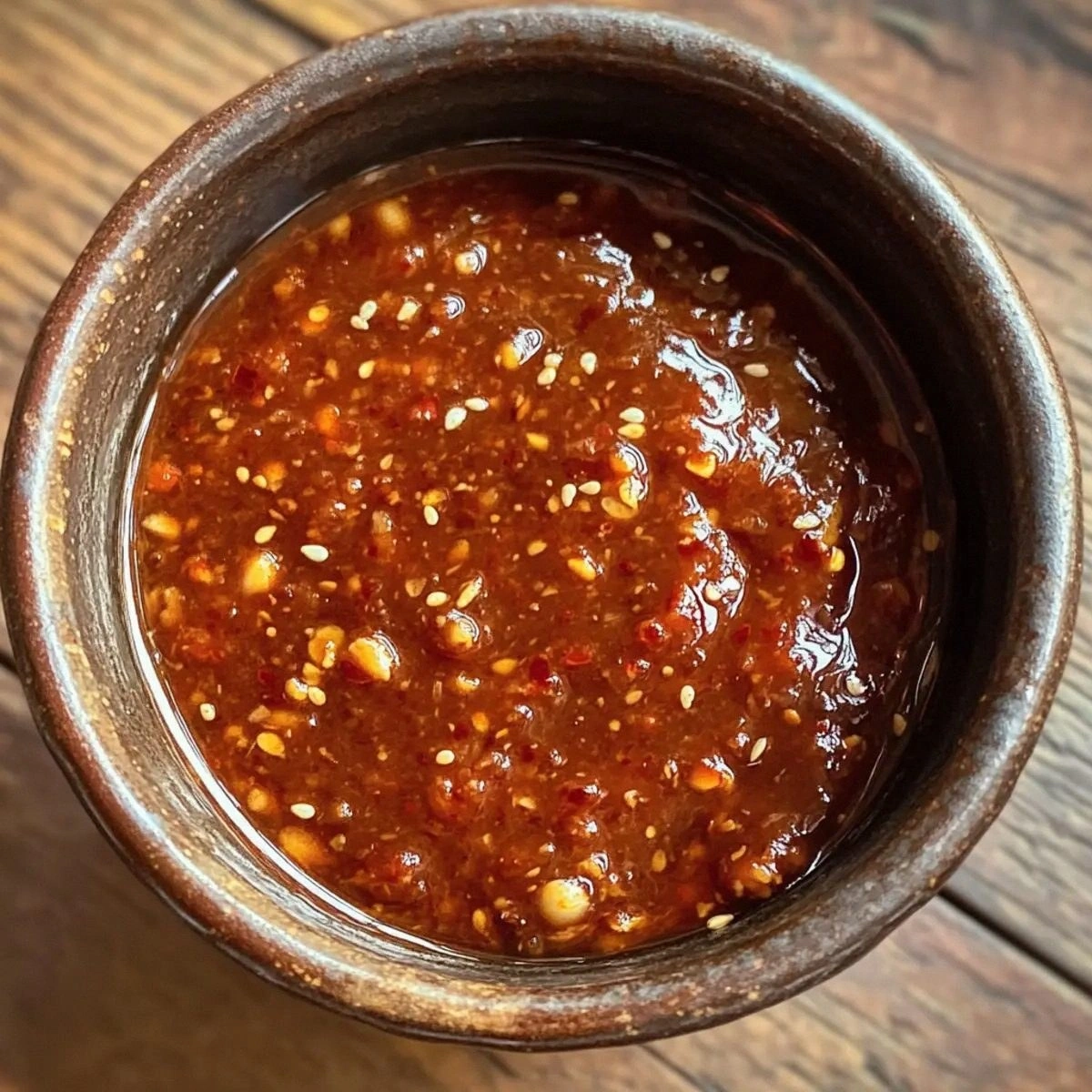
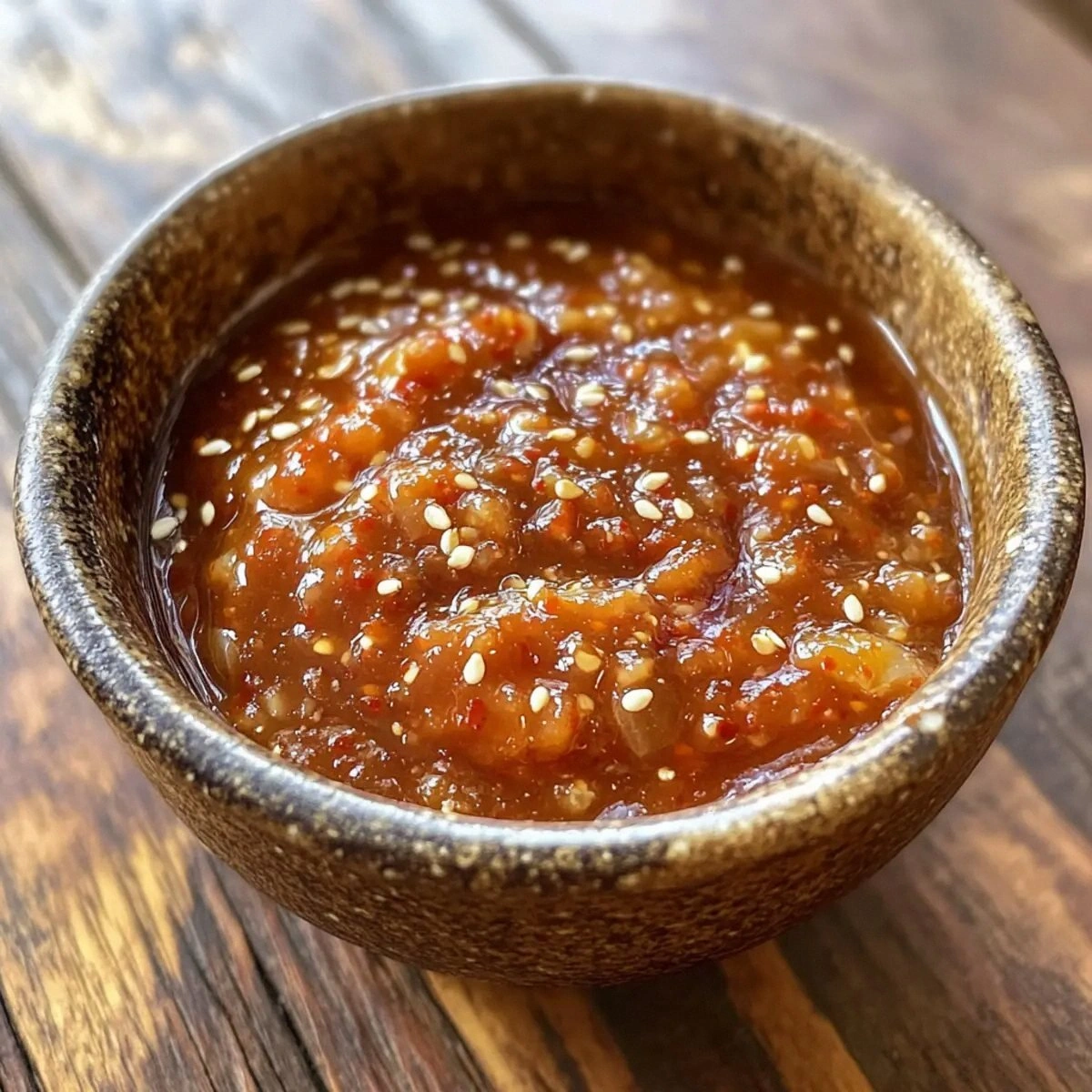
Turn off the heat and immediately whisk in the gochujang, honey, sugar, and rice vinegar. The mixture will look thick and slightly clumpy at first, but as you whisk, it will smooth out into a glossy, deep‑red sauce that shimmers like lacquer. The heat from the oil is enough to dissolve the sugar and honey without cooking them, preserving their natural flavors.
Taste the sauce. At this point you should feel a gentle heat, a sweet undertone, a bright tang, and a lingering nutty finish. If it feels too salty, add a splash more rice vinegar; if it’s not sweet enough, drizzle an extra half‑teaspoon of honey. Remember, the goal is balance, not dominance.
If you’re using salt, sprinkle a pinch now and give the sauce one final vigorous whisk. The salt will dissolve completely, ensuring no gritty texture remains. Let the sauce sit for two minutes; this resting period allows the flavors to meld, creating a cohesive profile that’s richer than the sum of its parts.
Transfer the sauce to a clean glass jar or airtight container. Seal tightly and let it cool to room temperature before refrigerating. The sauce will thicken slightly as it cools, achieving that perfect coating consistency for bibimbap.
Store the jar in the refrigerator for up to one week. The flavors will deepen, and you’ll notice a subtle caramelization after a few days—a sign that the honey and sugar have melded beautifully with the gochujang.
When you’re ready to serve, give the sauce a quick shake or stir. Drizzle it over a steaming bowl of rice, vegetables, and a fried egg, then toss everything together. The sauce should coat each component evenly, turning the bowl into a vibrant, glossy masterpiece. Picture yourself pulling this out of the oven, the whole kitchen smelling incredible… and then taking that first bite. Pure bliss.
That's it — you did it. But hold on, I've got a few more tricks that'll take this to another level...
Insider Tricks for Flawless Results
The Temperature Rule Nobody Follows
Never add gochujang directly to a scorching pan. The high heat can break down its fermented flavors, leaving you with a flat sauce. Instead, always introduce the paste to a warm (not hot) mixture—like the gently heated sesame oil from step 2. This preserves its complex umami and keeps the heat level just right. A friend once tried to melt the gochujang over high flame; the result was a burnt, bitter mess that no amount of honey could rescue.
Why Your Nose Knows Best
Your sense of smell is the ultimate gauge for balance. When the garlic hits the oil, if you can’t smell its fragrance within 20 seconds, the oil isn’t hot enough. Conversely, if the scent becomes sharp and acrid, you’ve overcooked it. Trust that nose cue; it’s more reliable than any timer. I’ve learned to stop the stove the moment the aroma hits that sweet spot, and the sauce never disappoints.
The 5‑Minute Rest That Changes Everything
Allowing the sauce to rest for five minutes after whisking lets the honey and sugar fully dissolve and the flavors marry. During this pause, the oil’s heat continues to mellow, softening any harsh edges. Skipping this step is a common mistake that leads to a sauce that tastes “separate” rather than unified. Take those five minutes; it’s the difference between good and unforgettable.
The Secret of the “Silky” Finish
If you crave an ultra‑silky texture, whisk in a teaspoon of cold water right before the final stir. The water emulsifies the oil and paste, creating a glossy, almost satin‑smooth coating that clings to rice like a second skin. This trick is especially useful when you plan to serve the sauce warm, as it prevents the sauce from separating.
Batch‑Prep Like a Pro
Double the recipe, store half in a freezer‑safe container, and you’ll have a ready‑to‑go sauce for busy weeks. When you need it, simply thaw in the refrigerator overnight and give it a quick whisk. The flavor remains vibrant, and you’ll never be caught without that essential Korean zing. I keep a mini batch in my office fridge, and it’s saved more lunches than I can count.
Creative Twists and Variations
This recipe is a playground. Here are some of my favorite ways to switch things up:
Spicy Mango Fusion
Add two tablespoons of finely diced mango and a splash of lime juice to the finished sauce. The mango introduces a tropical sweetness that pairs brilliantly with the heat, while lime brightens the overall profile. Perfect for summer bibimbap bowls or as a dipping sauce for spring rolls.
Nutty Peanut Kick
Stir in one tablespoon of smooth peanut butter and a pinch of crushed roasted peanuts. This creates a creamy, nutty version that feels like a cross between bibimbap and a Korean‑style satay. It’s a crowd‑pleaser for those who love a richer mouthfeel.
Smoky Barbecue Blend
Swap half of the honey for a tablespoon of Korean gochujang‑based barbecue sauce (such as bulgogi glaze). The smoky undertones add depth and make the sauce ideal for grilled meats or tofu skewers. It’s a great bridge between Korean and American BBQ traditions.
Vegan Sweet‑Soy Version
Replace honey with agave syrup and add a teaspoon of tamari instead of regular soy sauce. The result is a fully vegan sauce that still delivers that sweet‑heat balance. Use it on a Buddha bowl loaded with roasted veggies for a wholesome, plant‑based feast.
Herb‑Infused Green
Finely chop a handful of fresh cilantro and mint, then fold them into the cooled sauce. The herbs add a bright, aromatic lift that cuts through the richness, making the sauce perfect for summer salads or as a vibrant dressing for cold noodle dishes.
Storing and Bringing It Back to Life
Fridge Storage
Transfer the sauce to a clean glass jar with a tight‑fitting lid. Store in the refrigerator for up to seven days. The sauce will thicken as it cools; simply give it a good shake before each use. For best flavor retention, keep the jar away from strong‑smelling foods.
Freezer Friendly
If you want to keep the sauce longer, portion it into ice‑cube trays and freeze. Once solid, transfer the cubes to a zip‑top freezer bag. The sauce will last for up to three months. When you need it, pop a cube into a small saucepan, melt over low heat, and stir in a splash of water to restore its silky texture.
Best Reheating Method
To revive the sauce after refrigeration, place it in a microwave‑safe bowl, add a teaspoon of water, and heat in 15‑second bursts, stirring in between. Alternatively, gently warm it in a skillet over low heat, whisking constantly. The added water creates steam that re‑hydrates the sauce, bringing back that glossy finish without diluting the flavor.