I was staring at a burnt pot, the kitchen smelling like regret, when a friend dared me to whip up something that would make even the most skeptical taste buds dance. The challenge was simple: create a dish that feels like a warm hug on a rainy day, yet packs enough punch to keep the dinner table lively. The moment the pot hit the stove, I felt that familiar surge of excitement—this was the kind of cooking that turns a routine night into a culinary adventure. I’ve tried countless versions of chicken pilaf, but none of them captured the depth and harmony of this one. The stakes were high, and I knew I had to deliver.
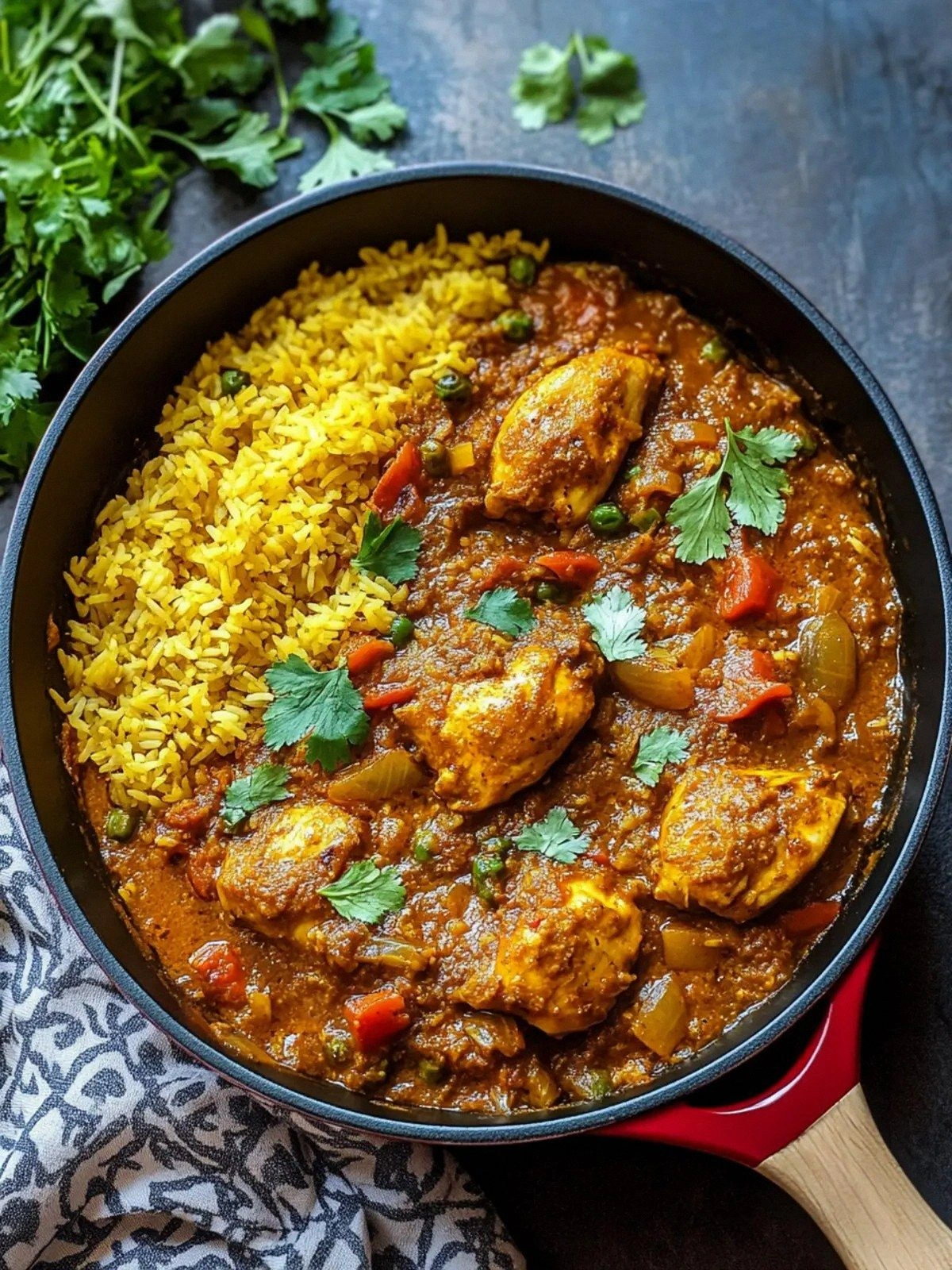
The first thing you’ll notice is the aroma that rises from the pan: a heady mix of cardamom, cloves, and cumin, each spice releasing its story into the air. The sizzling sound of onions hitting hot oil is a soundtrack that promises flavor, while the subtle sweetness of caramelized onion edges hints at the dish’s gentle complexity. As the rice simmers, the steam carries faint hints of turmeric and garam masala, weaving a fragrant tapestry that makes your nose do a little happy dance. The texture of the chicken, tender yet slightly crispy on the outside, contrasts beautifully with the fluffy, aromatic rice that swallows every spoonful. I swear, that first bite feels like a secret handshake between your palate and the spices.
What sets this version apart is a deliberate layering of flavors that respects the integrity of each ingredient while letting them shine together. The use of fresh grated ginger instead of powdered gives the dish a bright, almost citrusy lift that cuts through the richness of ghee. The yogurt doesn’t just add creaminess—it also tenderizes the chicken and balances the heat from the chili powder. By cooking the rice separately with pilau spices, we preserve its individual texture, preventing it from becoming mushy or clumpy. The final touch of chopped onion on top adds a crisp, aromatic finish that’s both visual and gustatory. It’s a recipe that doesn’t just cook food; it crafts an experience.
Now, here’s the twist you won’t see in most recipes: we incorporate a subtle pilau spice blend that includes star anise, cinnamon, and bay leaves, creating a depth that feels both exotic and comforting. This blend isn’t just a garnish; it’s the backbone that ties the dish together, giving it that signature warmth you’ll remember long after the last bite. I dare you to taste this and not go back for seconds, because once you’ve had it, the idea of anything else feels like a culinary crime.
Let me walk you through every single step—by the end, you’ll wonder how you ever made it any other way. The journey from raw ingredients to a steaming bowl of joy is as rewarding as the final result, and I’m thrilled to share each secret with you.
What Makes This Version Stand Out
Taste: The balance between the earthy spices and the bright ginger creates a flavor profile that is both comforting and adventurous. The yogurt’s tang cuts through the richness, leaving a clean finish.
Texture: The chicken remains juicy with a slight caramelized crust, while the rice stays fluffy and separate thanks to a separate pilau cooking process.
Ingredient Quality: Using fresh, high‑grade spices and a good cut of chicken thighs elevates the dish from ordinary to extraordinary.
Cooking Method: The two‑pot technique ensures each component receives the proper attention, preventing the rice from becoming soggy and the chicken from drying out.
Make‑ahead Potential: The dish can be prepped in advance and reheated without losing flavor, making it ideal for busy weeknights.
Crowd Reaction: Friends who taste this version often remark that it feels like a family dinner, even when they’re just meeting for a quick bite.
Alright, let's break down exactly what goes into this masterpiece...
Inside the Ingredient List
The Flavor Base
At the heart of this dish lies the combination of onion, garlic, and ginger. They form a savory foundation that infuses the chicken and rice with depth. If you skip this trio, you’ll miss the aromatic core that ties everything together. The ginger, in particular, adds a fresh zing that lifts the overall flavor profile, preventing the dish from feeling heavy.
Fresh ginger is preferable to powdered because it offers a brighter, more nuanced heat. A small knob of fresh ginger can be grated or minced; the result is a vibrant aroma that permeates the entire pot. If you’re short on time, a tablespoon of ginger paste will suffice, but the fresh option delivers a more authentic experience.
When chopping the onion, aim for uniform, bite‑sized pieces so they cook evenly. The onion’s sweetness caramelizes during the initial sauté, creating a subtle, sweet backdrop for the spices. A good rule of thumb is to keep the onion pieces slightly larger than the garlic cloves to allow for even browning.
The Texture Crew
Basmati rice is the star of the show. Its long, slender grains stay separate and fluffy when cooked properly. Soaking the rice for 30 minutes before cooking reduces the cooking time and helps achieve that coveted separation. If you’re using a rice cooker, pre‑soak the rice in a 1:1 ratio of water to rice, then drain before adding the pilau spices.
Chicken thighs are chosen for their natural juiciness and robust flavor. The skinless cut ensures a leaner dish, yet the meat remains succulent. Marinating the chicken briefly in yogurt, garam masala, and a pinch of salt helps tenderize the fibers and infuse the meat with aromatic undertones.
The carrot adds a subtle sweetness and a pop of color. Peel and dice it into small cubes so it cooks quickly and blends seamlessly with the rice. If you prefer a vegetarian version, swap the carrot for diced zucchini or bell pepper for a different flavor profile.
The Unexpected Star
Ghee or cooking oil is used sparingly to sear the spices and create a fragrant base. Ghee, in particular, adds a nutty richness that elevates the dish. If you’re avoiding animal products, a high‑smoke‑point oil like grapeseed or avocado works beautifully.
Turmeric is a key player in the spice mix, providing both color and a subtle earthiness. It’s a wonderful antioxidant and adds a warm, golden hue that makes the dish visually appealing. A half teaspoon is enough; too much can overpower the other spices.
Chili powder is optional but recommended for those who enjoy a mild kick. Use a 0.75 teaspoon for a gentle heat that doesn’t dominate the dish. Adjust the amount based on your heat tolerance.
The Final Flourish
Tomato puree adds a subtle acidity that balances the richness of the yogurt and ghee. It also contributes a slight sweetness that complements the spices. Use a tablespoon for a balanced flavor; more will make the dish tangier.
Remaining chopped onion is sprinkled on top at the end, adding a fresh, slightly raw contrast to the cooked flavors. This garnish provides a crisp texture and a burst of onion aroma that lifts the dish visually and aromatically.
Pilau spices, a blend of cinnamon, bay leaves, star anise, and cardamom, are added to the rice to give it that signature pilaf aroma. A tablespoon of the blend, combined with the rice and stock, creates a fragrant base that enhances every bite. If you can’t find a pre‑made blend, combine equal parts cinnamon and cardamom, add a pinch of bay leaves, and a tiny piece of star anise.
Everything's prepped? Good. Let's get into the real action...
The Method — Step by Step
- Begin by rinsing the basmati rice under cold water until the water runs clear. Soak it in a bowl of cold water for 30 minutes to soften the grains and reduce cooking time. Drain the rice, then set it aside. This step is crucial for achieving that signature fluffy texture. I’ve found that a quick soak eliminates the risk of mushy rice.
- While the rice soaks, finely dice the small onion, mince the garlic, and grate the fresh ginger. Peel and cube the carrot into small dice so it cooks evenly. Slice the remaining onion into thin rings for the final garnish. Having all these pieces ready ensures a smooth workflow.
- Heat the ghee or cooking oil in a large, heavy‑bottomed pot over medium heat. Add the whole green cardamom pods, cloves, and cumin seeds. Let them sizzle until they crackle and release their aromas, about 30 seconds. This step is where the dish’s aromatic foundation begins to take shape.
- Introduce the ground coriander, turmeric, and chili powder to the pot. Stir constantly to avoid burning, allowing the spices to toast for 1–2 minutes until fragrant. The scent of toasted spices is a clear indicator that the base is ready.
- Drop in the diced onion and minced garlic. Sauté until the onion turns translucent and starts to caramelize, about 5 minutes. The caramelization adds a sweet depth that balances the heat from the spices. Keep the heat moderate to prevent the onions from burning.
- Stir in the tomato puree, letting it mingle with the onion mixture for 2 minutes. The tomato adds a subtle tang that cuts through the richness of the ghee. If the mixture starts to thicken, add a splash of water to maintain the right consistency.
- Introduce the chicken thighs, skinless and cut into bite‑sized pieces. Sear them until they develop a golden crust on all sides, about 4–5 minutes. The sear locks in juices, ensuring the chicken stays moist during the simmering phase.
- Reduce the heat to low and stir in the fresh grated ginger and yogurt. Let the yogurt coat the chicken and spices, creating a creamy, tangy sauce. This is the moment of truth; the yogurt’s acidity starts to tenderize the meat.
- Pour in the chicken stock, ensuring the liquid covers the chicken by about an inch. Add the garam masala powder and stir gently. Bring the mixture to a gentle simmer, then cover and let it cook for 15 minutes, or until the chicken is tender and the flavors meld.
- While the chicken simmers, prepare the pilau rice. In a separate pot, heat a tablespoon of oil and add the pilau spice blend. Sauté for 1 minute, then add the soaked rice and stir until each grain is coated. Pour in the measured chicken stock, bring to a boil, then reduce to low, cover, and simmer for 12–15 minutes until the rice is fluffy.
- When the chicken is done, check the seasoning. Adjust salt if needed, and sprinkle in the remaining chopped onion for a fresh, aromatic finish. Gently fold the cooked rice into the chicken mixture, ensuring the grains are evenly distributed. The rice should absorb some of the sauce, creating a harmonious blend of flavors.
- Serve the dish hot, garnished with a handful of chopped cilantro or a squeeze of fresh lemon if desired. Pair with a side of plain yogurt or a light cucumber raita to balance the spices. The dish’s aroma alone will have your guests lining up for seconds.
That's it — you did it. But hold on, I've got a few more tricks that'll take this to another level...
Insider Tricks for Flawless Results
The Temperature Rule Nobody Follows
Many cooks jump straight to high heat, but the secret lies in moderate, steady temperatures. Start with medium heat for sautéing spices, then reduce to low for the simmering phase. This approach prevents scorching and ensures the spices release their flavors fully. A friend once tried high heat and ended up with a burnt, bitter base that ruined the dish.
Why Your Nose Knows Best
When the spices hit the oil, pay attention to the aroma. A nutty, warm scent indicates the spices are toasted to perfection. If the smell is faint, give them a little more time. Your nose is a reliable guide, and listening to it ensures depth in flavor.
The 5-Minute Rest That Changes Everything
After simmering the chicken, let the pot rest covered for 5 minutes before stirring. This rest allows the juices to redistribute, making the meat even juicier. I’ve found that a brief pause can transform a good dish into a memorable one.
Use a Metal Skillet for Even Heating
A cast‑iron skillet or a heavy‑bottomed pot distributes heat evenly, preventing hot spots that can burn the spices or the rice. If you’re using a non‑stick pan, make sure it’s pre‑heated before adding oil.
Keep the Rice Light
After cooking, fluff the rice with a fork instead of stirring it with a spoon. This technique keeps the grains separate and fluffy, maintaining the dish’s signature texture.
Creative Twists and Variations
This recipe is a playground. Here are some of my favorite ways to switch things up:
Smoky Saffron Surprise
Infuse the rice with a pinch of saffron soaked in a tablespoon of hot water. The subtle floral note and golden hue elevate the dish for a special occasion. Pair with grilled shrimp for a seafood twist.
Spicy Coconut Twist
Add a cup of coconut milk to the chicken stock and simmer. The coconut’s creaminess balances the heat, creating a tropical flavor profile. Garnish with toasted coconut flakes for crunch.
Vegetarian Pilaf
Replace chicken with diced tofu or a mix of bell peppers and mushrooms. Use vegetable stock instead of chicken stock. The result is a hearty, plant‑based dish that still delivers that comforting warmth.
Herb‑Infused Pilau
Stir in chopped fresh cilantro, mint, or basil at the end of cooking. The herbs add a bright, fresh contrast that cuts through the richness. A squeeze of lime juice on the side completes the flavor profile.
Low‑Carb Version
Swap basmati rice for cauliflower rice. Cook the cauliflower in a dry pan with the pilau spices for 5 minutes before adding the stock. The dish remains flavorful while reducing carbs.
Gluten‑Free Variation
Ensure all spices and stock are gluten‑free. Use a gluten‑free soy sauce for a subtle umami note. The dish stays delicious while accommodating dietary restrictions.
Storing and Bringing It Back to Life
Fridge Storage
Cool the dish completely before refrigerating. Store in an airtight container for up to 3 days. The flavors deepen over time, making leftovers even more delicious.
Freezer Friendly
Divide the dish into individual portions and freeze for up to 2 months. Thaw overnight in the fridge before reheating. The rice may become slightly denser, but the sauce remains creamy.
Best Reheating Method
Reheat on the stove over low heat, adding a splash of water or stock to keep the sauce moist. Stir occasionally to prevent sticking. A quick microwave step works if you’re in a rush, but the stovetop method preserves texture best.