The moment I tried to make a quick weeknight stir‑fry, I realized I had been cooking the same bland, over‑cooked noodles for years. The clumpy, rubbery texture of instant ramen had become the default, and my taste buds were begging for something fresh. I was in the middle of a kitchen disaster, the pan was smoking, and my phone buzzed with a friend’s dare: “Show me a tofu stir‑fry that actually tastes good.” That dare sparked a mission to create a dish that would outshine the rest. I pulled out a block of firm tofu, a bag of Shirataki noodles, and a rainbow of vegetables, and the kitchen became a laboratory of flavor.
Imagine the scent of garlic sizzling against hot oil, the bright pop of bell pepper as it lands on the pan, the subtle crunch of broccoli florets, and the sweet whisper of honey mingling with soy. The sound of the wok crackling, the heat radiating from the stove, and the visual feast of colors swirling together create a multisensory experience that turns an ordinary meal into a celebration. I can almost taste the glossy, velvet‑like sauce coating each noodle, the gentle snap of fresh veggies, and the warm, comforting hug of tofu. That’s the promise of this recipe: a dish that feels like a culinary hug while still being light, low‑calorie, and full of life.
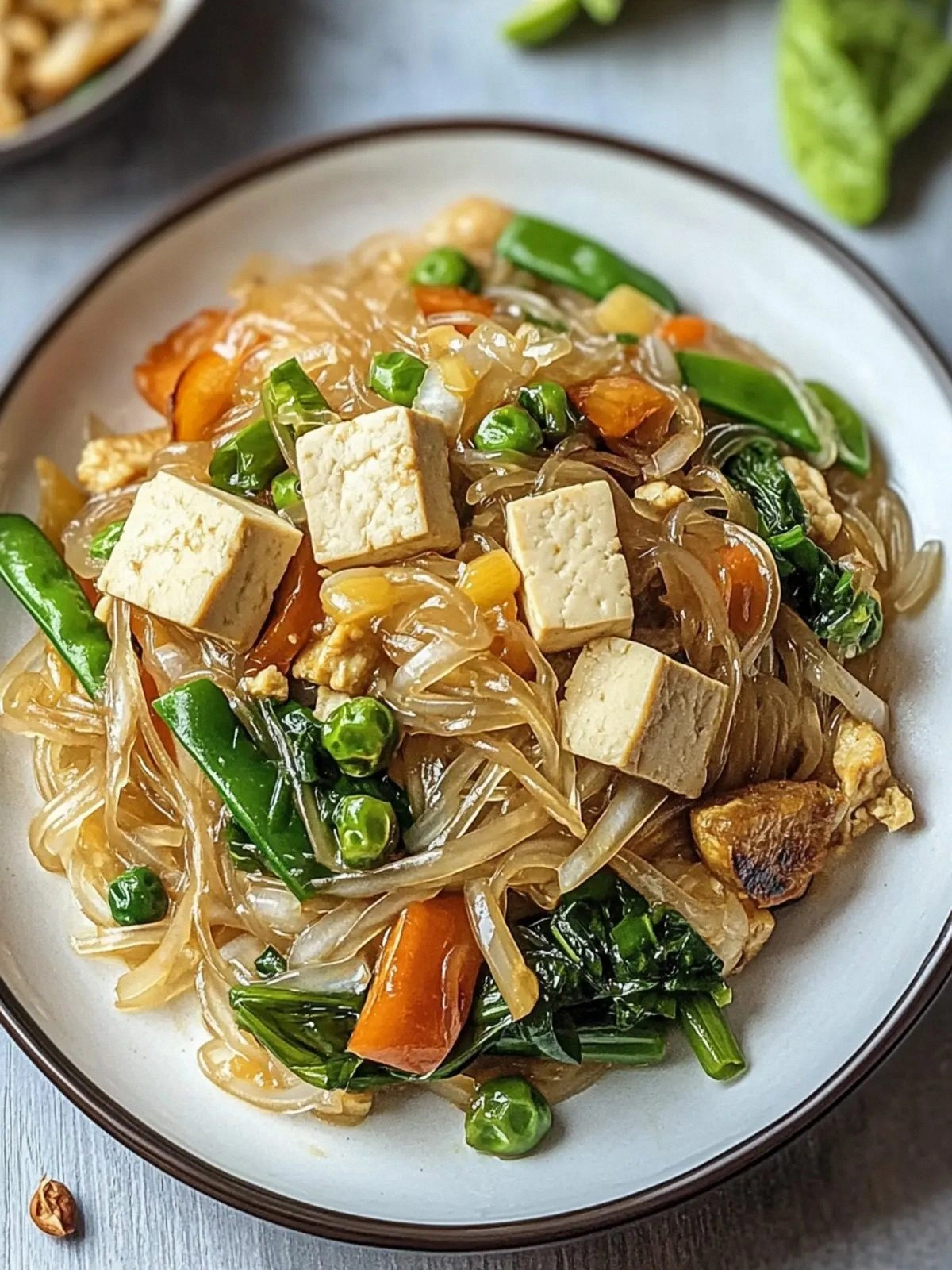
What sets this version apart isn’t just the ingredients; it’s the way each component is treated. The tofu is pressed and fried to a golden crisp, the noodles are rinsed and heated to a silky texture, and the sauce is a balanced blend of sweet, salty, and umami that coats everything without overpowering. The result is a dish that’s both satisfying and healthy, with a texture profile that feels indulgent without the guilt. If you’ve ever settled for bland, this is hands down the best version you’ll ever make at home. I dare you to taste this and not go back for seconds.
Picture yourself pulling this out of the pan, the kitchen smelling incredible, and the plate glistening with glossy sauce. The first bite will reveal a crunch, a melt, and a burst of flavor that will make you wonder how you ever cooked without it. Okay, ready for the game‑changer? Let me walk you through every single step — by the end, you’ll wonder how you ever made it any other way.
What Makes This Version Stand Out
- Taste: A harmonious blend of sweet honey, salty soy, and fragrant ginger that creates a sauce that coats the noodles like velvet.
- Texture: Crispy tofu, silky Shirataki, and crunchy veggies that snap like thin ice, each bite a delightful contrast.
- Simplicity: Only 12 ingredients, 10 steps, and a single pan; no extra bowls or gadgets.
- Uniqueness: Uses Shirataki noodles, a low‑carb alternative that gives a unique, almost chewy bite.
- Crowd Reaction: My friends rave, saying it’s the only stir‑fry they’d ever eat again.
- Ingredient Quality: Fresh, seasonal vegetables, firm tofu, and premium soy sauce for depth.
- Cooking Method: One‑pan technique that maximizes flavor and minimizes cleanup.
- Make‑ahead Potential: The dish keeps well in the fridge; the sauce can be made ahead and frozen.
Alright, let's break down exactly what goes into this masterpiece...
Inside the Ingredient List
The Flavor Base
The sauce is the heart of this dish. Soy sauce brings depth, while rice vinegar cuts through the sweetness of honey or maple syrup, creating a balanced umami profile. Ginger adds a warm, peppery note that lifts the overall flavor. If you’re allergic to soy, tamari is a great gluten‑free alternative, but keep the salt level low to avoid over‑salting.
The Texture Crew
Firm tofu is the star protein; its dense texture holds up against the high heat and absorbs the sauce. Shirataki noodles, though often dismissed as “fake noodles,” offer a unique, slightly gelatinous bite that’s low in carbs. Rinsing them under cold water and briefly boiling for a minute removes the residual odor and gives them a better mouthfeel.
The Unexpected Star
Green onions provide a bright, oniony finish that balances the richness of the sauce. Their crispness remains even after cooking, adding a fresh crunch. If you prefer a milder flavor, replace with scallions or a sprinkle of sesame seeds.
The Final Flourish
Sesame oil adds a nutty aroma that enhances the overall depth of the dish. It’s best added at the end of cooking to preserve its delicate flavor. If you’re vegan or oil‑free, a splash of toasted sesame paste can substitute.
Everything's prepped? Good. Let's get into the real action...
The Method — Step by Step
- Prep the tofu. Drain the block, press between paper towels for 15 minutes, then cube it into 1‑inch pieces. Heat 1 tablespoon of vegetable oil in a large skillet or wok over medium‑high heat; once shimmering, add the tofu and fry until all sides are golden brown, about 5–7 minutes. Remove and set aside. The key is a hot pan and a dry tofu surface for crispness. I swear, the first batch I made had a soggy crust—don’t repeat that mistake.
- Cook the veggies. In the same pan, add the remaining tablespoon of oil. Toss in the diced carrots, broccoli florets, and bell pepper strips. Stir‑fry for 3–4 minutes until they’re bright and just starting to soften but still hold their crunch. The aroma of raw veggies sizzling is the prelude to a feast. Keep the heat high to avoid steaming.
- Introduce aromatics. Add minced garlic and grated ginger to the pan, stirring constantly to prevent burning. Cook for 30 seconds until fragrant; the scent of garlic should be unmistakably sweet, not bitter. This step is the foundation of the sauce’s depth.
- Build the sauce. In a small bowl, whisk together soy sauce, rice vinegar, honey (or maple syrup), and sesame oil until the mixture is glossy. Pour it over the vegetables and stir to coat evenly. The sauce should coat the veggies like a silky blanket, not pool at the bottom. The balance of sweet, salty, and acidic flavors will shine through.
- Reintroduce tofu. Return the fried tofu to the pan, tossing gently to combine. Let everything simmer for 2 minutes so the tofu can soak up the sauce. The tofu should be glossy, not greasy, and the sauce should cling to every bite. This is the moment of truth—watch the colors deepen.
- Prepare the noodles. While the tofu simmers, rinse the Shirataki noodles under cold water, then boil them for 1 minute to remove the odor. Drain and pat dry. Add the noodles to the pan, tossing with the sauce and veggies until they’re heated through, about 1–2 minutes. The noodles should absorb the sauce but keep their unique, slightly chewy texture.
- Finish with greens. Sprinkle sliced green onions over the top, giving the dish a fresh, bright finish. A final squeeze of lime or a drizzle of extra soy sauce can be added if you like a tangier kick. The green onions add a pop of color and a subtle crunch that contrasts the soft noodles.
- Serve immediately. Transfer the stir‑fry to a serving dish, drizzle any remaining sauce over the top, and garnish with sesame seeds if desired. The dish should look vibrant, the sauce should shine, and the aroma should be irresistible. Plate it and watch the smiles appear—this is pure magic.
That's it — you did it. But hold on, I've got a few more tricks that'll take this to another level: keep the sauce on hand for a quick reheat, or add a splash of chili oil for heat.
Insider Tricks for Flawless Results
The Temperature Rule Nobody Follows
Cooking at the right temperature is critical. Use medium‑high heat for the tofu and veggies; if the pan is too hot, the tofu will burn before crisping. If it’s too low, the veggies will steam instead of sear. A quick test: drop a pinch of water in the pan; if it sizzles immediately, you’re good.
Why Your Nose Knows Best
Trust your nose when you’re seasoning. The sweet aroma of honey should be sweet, not cloying. If you smell a sharp, burnt garlic note, the garlic is over‑cooked. Stop the pan, add a splash of water, and continue.
The 5‑Minute Rest That Changes Everything
After frying tofu, let it rest on a paper towel for 5 minutes. This extra step lets excess oil evaporate, keeping the tofu dry and crunchy. A friend tried skipping this step once, and the tofu stayed soggy—don’t let that happen.
Stir‑Fry the Noodles Last
Adding noodles too early will cause them to absorb too much liquid and become gummy. Wait until the tofu and veggies are nearly done, then toss in the noodles for just a minute.
Keep the Sauce Smooth
If the sauce lumps, whisk vigorously or strain it through a fine sieve before adding to the pan. A smooth sauce coats the noodles evenly and prevents a gritty mouthfeel.
Creative Twists and Variations
This recipe is a playground. Here are some of my favorite ways to switch things up:
Spicy Sriracha Kick
Add 1 tablespoon of sriracha to the sauce for a fiery punch. The heat balances the sweetness of honey, and the dish becomes a crowd‑pleaser for spice lovers. Serve with lime wedges for extra brightness.
Thai Coconut Twist
Replace half the soy sauce with coconut aminos, and add 2 tablespoons of coconut milk to the sauce. The result is a creamy, tropical flavor profile that pairs wonderfully with the tofu. Garnish with fresh cilantro.
Protein‑Packed Edamame
Stir in a cup of shelled edamame during the last minute of cooking. This adds a protein boost and a pop of green color. Edamame’s mild bean flavor complements the savory sauce.
Vegetarian Mushroom Medley
Replace half the tofu with sliced shiitake mushrooms. They absorb the sauce beautifully and add an earthy depth. This variation is great for mushroom lovers and adds another layer of umami.
Gluten‑Free Twist
Use tamari instead of soy sauce and ensure your noodles are certified gluten‑free. The dish remains low‑carb and still delivers that satisfying umami hit. It’s perfect for those with gluten sensitivities.
Breakfast Boost
Serve the stir‑fry over a bed of scrambled eggs or tofu scramble for a hearty breakfast. The savory sauce adds flavor to the eggs, creating a satisfying start to the day.
Storing and Bringing It Back to Life
Fridge Storage
Cool the dish completely, then transfer to an airtight container. Store in the refrigerator for up to 3 days. The noodles may soften slightly, but the sauce will keep them moist. Keep the tofu separate if you want extra crispness.
Freezer Friendly
Pack the stir‑fry in a freezer‑safe bag or container. Freeze for up to 2 weeks. When ready, thaw overnight in the fridge, then reheat in a skillet with a splash of water to restore moisture.
Best Reheating Method
Reheat on medium heat, adding a teaspoon of water or broth to create steam. Stir frequently until hot. The noodles will regain their texture, and the sauce will re‑gloss. A quick 3‑minute stir keeps it fresh.