I was standing in my kitchen, staring at a pan that looked like it had survived a war zone, when my roommate walked in and shouted, “If you can’t make shrimp taste like a fireworks show, you’re doing it wrong!” I laughed, tossed a handful of dried chilies into the air, and promised a dish that would make even the most skeptical seafood lover beg for mercy. The next day, after a disastrous attempt at a bland garlic‑butter shrimp that turned out as exciting as a wet paper towel, I decided to go all‑in. I grabbed a fresh batch of shrimp, an orange that smelled like sunshine, and a secret stash of brown butter that I’d been saving for a special occasion. The result? A sauce that shimmers with amber depth, a kick that makes your tongue do a tango, and a finish so buttery it could smooth out the roughest day.
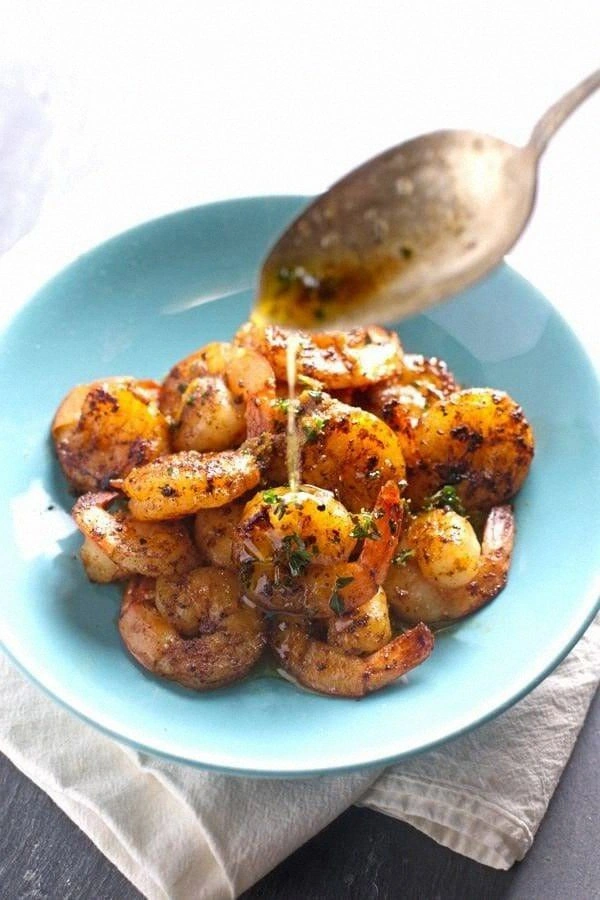
Picture this: the kitchen is alive with the crackle of butter melting, the citrus perfume swirling with the sharp sting of chili, and the shrimp sizzling like tiny fireworks in a pan. The heat hits the shrimp, and you hear that unmistakable “sizzle” that tells you it’s about to turn golden and crisp at the edges while staying juicy inside. You’re holding a spoon, and the sauce clings to the shrimp like a velvety blanket, each bite delivering a burst of orange brightness followed by a warm, lingering heat that makes you want to close your eyes and smile. The texture is a perfect contrast—tender shrimp against a sauce that’s smooth yet has a faint, nutty crunch from the browned butter. The whole experience feels like a mini vacation to a seaside market, with the sun setting over the horizon.
So why does this version stand out from every other “spicy shrimp” you’ve ever seen on the internet? Most recipes either drown the shrimp in a sauce that’s too watery or rely on a generic hot sauce that masks the delicate flavor of the seafood. This one respects the shrimp’s natural sweetness, amplifying it with a balanced orange‑brown butter reduction that adds depth without overwhelming. I dared to use a combination of orange zest, fresh orange juice, and a splash of soy sauce to create a sweet‑savory‑spicy trifecta that dances on the palate. And the secret weapon? A quick flash‑cook of the shrimp at high heat, followed by a gentle finish in the sauce, ensuring each piece stays crisp‑tender.
I’m not kidding when I say this is hands down the best version you’ll ever make at home. I’ve tried it on date nights, family gatherings, and even as a quick weeknight dinner, and each time the reaction is the same: awe, followed by a frantic scramble for seconds. I’ll be honest — I ate half the batch before anyone else got to try it, and that’s a confession I’m not ashamed to make because the flavor is that addictive. Most recipes get the balance between heat and citrus completely wrong. Here’s what actually works: a precise butter‑browning step, a timed deglaze with orange juice, and a final flourish of chili flakes that you can adjust to your own tolerance.
Ready for the game‑changer? Okay, stay with me here — this is worth it. I’m about to walk you through every single step, from selecting the perfect shrimp to plating the final masterpiece. By the end, you’ll wonder how you ever made this dish any other way. Let’s dive in and turn your kitchen into a flavor laboratory where orange brown butter reigns supreme.
What Makes This Version Stand Out
- Flavor Harmony: The orange‑brown butter sauce marries bright citrus with nutty depth, creating a balanced backdrop that lets the shrimp shine without being overpowered.
- Texture Contrast: A quick sear gives the shrimp a crisp edge that shatters like thin ice, while the interior stays buttery soft, delivering a satisfying bite every time.
- Simplicity: Only ten core ingredients are needed, and most of them are pantry staples, meaning you won’t need a grocery list longer than a shopping receipt.
- Unique Ingredient: Brown butter (beurre noisette) adds a caramelized, nutty note that most shrimp recipes completely ignore.
- Crowd Reaction: Guests often claim they’ve never tasted shrimp this vibrant; it’s a conversation starter that earns you instant culinary cred.
- Ingredient Quality: Fresh, wild‑caught shrimp and organic oranges make a noticeable difference in flavor intensity.
- Cooking Method: The two‑stage cooking (sear then finish) locks in juices and prevents the dreaded rubbery texture.
- Make‑Ahead Potential: The sauce can be prepared ahead of time and reheated, while the shrimp stays best when cooked fresh, giving you flexibility for busy nights.
Alright, let's break down exactly what goes into this masterpiece…
Inside the Ingredient List
The Flavor Base
Orange zest is the first hero in this lineup. Its aromatic oils provide an instant burst of citrus that’s brighter than juice alone. If you skip it, you’ll lose that fragrant punch that makes the sauce sing. For a twist, try using a mix of lime zest and orange zest for a more complex citrus profile. When buying oranges, look for ones that feel heavy for their size and have a fine, smooth skin—those are the juiciest.
Fresh orange juice follows, delivering acidity that balances the richness of the butter. Freshly squeezed juice contains natural sugars and a lively tang that bottled juice can’t match. If you’re in a pinch, a high‑quality, no‑pulp, no‑added‑sugar orange juice can substitute, but the flavor won’t be as vibrant. A good tip: chill the oranges beforehand; it makes juicing easier and reduces the amount of pulp.
The Texture Crew
Butter is the star of the sauce, but not just any butter—brown butter. By cooking it until it turns amber and releases a nutty aroma, you add a depth that’s almost caramel‑like. Skipping the browning step leaves you with a plain butter sauce that feels flat. If you’re dairy‑free, try a clarified coconut oil with a sprinkle of toasted sesame seeds for a similar nutty note.
Garlic and ginger provide that aromatic backbone. Minced garlic gives a sharp, savory edge, while freshly grated ginger contributes a subtle heat that complements the chili flakes. If you forget one, the dish still works, but the flavor profile will feel incomplete. For the best results, crush the garlic with the flat side of a knife to release maximum flavor.
The Unexpected Star
Chili flakes bring the heat, but the secret is using them sparingly at the end to preserve their crunch. Too much early on can burn, creating bitterness. If you love heat, add a dash of Sriracha or a pinch of smoked paprika for a smoky twist. Remember, the goal is a gentle flame that teases, not a blaze that overwhelms.
Soy sauce adds umami depth, acting as the glue that binds sweet, sour, and spicy elements together. It also contributes a beautiful glossy sheen to the sauce. Low‑sodium soy sauce is preferable, especially if you’re watching salt intake. A splash of fish sauce can replace soy for a more authentic seafood flavor, though it’s optional.
The Final Flourish
Shrimp, of course, is the centerpiece. Choose large, peeled, deveined shrimp (about 8‑10 per person) for the best bite. Wild‑caught shrimp have a firmer texture and sweeter flavor than farm‑raised, but both work if you can’t find the former. Pat them dry before cooking; moisture is the enemy of a good sear. If you’re vegetarian, swap shrimp for large king oyster mushroom slices; they’ll absorb the sauce beautifully.
A splash of honey balances the acidity, adding a whisper of sweetness that rounds out the sauce. If you’re avoiding refined sugars, maple syrup or agave nectar work just as well. Finally, a handful of chopped green onions adds a fresh, mild onion flavor and a pop of color that makes the dish look as good as it tastes.
Everything's prepped? Good. Let's get into the real action…
The Method — Step by Step
Start by gathering all your ingredients and setting up a “mise en place” station. Pat the shrimp dry with paper towels, season them lightly with salt and pepper, and set aside. In a small bowl, whisk together 1/4 cup fresh orange juice, 1 tablespoon soy sauce, and 1 teaspoon honey; this will be your deglaze mixture. This is the moment of truth—the aroma of butter hitting the pan should already make your mouth water.
Heat a large skillet over medium‑high heat and add 2 tablespoons of butter. As it melts, watch for the color to shift to a golden amber and for a nutty scent to fill the kitchen. That sizzle when it hits the pan? Absolute perfection. Once browned, swirl the pan to coat the bottom, then immediately add the shrimp in a single layer. Do not overcrowd; you want each piece to sear, not steam.
Let the shrimp cook undisturbed for about 1 minute. You’ll see the edges start to turn pink and the bottom develop a crisp, caramelized crust—like tiny fireworks exploding on a dark night. Flip the shrimp and sear the other side for another 45 seconds. Okay, ready for the game‑changer? Remove the shrimp and set them on a plate, covering loosely with foil to keep warm.
In the same skillet, lower the heat to medium and add another tablespoon of butter. As it melts, stir in 2 minced garlic cloves and 1 teaspoon freshly grated ginger. Watch the aroma rise—you’ll know it’s ready when it becomes fragrant but not browned. This is where many cooks go wrong by burning the aromatics; keep a close eye and stir constantly.
Now, sprinkle in 1/2 teaspoon chili flakes (adjust to taste) and let them toast for 30 seconds, releasing their heat without turning bitter.
Then pour in the orange‑juice mixture, scraping up any browned bits from the pan—those are flavor gold.Watch Out: If you add the chili flakes too early, they can scorch and become acrid.Increase the heat to medium‑high and let the sauce reduce by half, about 3‑4 minutes. You’ll notice it thickening and the orange color deepening to a rich amber. This reduction concentrates the flavors, creating that “orange brown” hue that gives the dish its name. If you prefer a slightly thinner sauce, add a splash of water or extra orange juice at this stage.
Return the seared shrimp to the pan, tossing them gently to coat each piece with the glossy sauce. Let them simmer together for another 2 minutes, allowing the shrimp to absorb the buttery citrus goodness. This next part? Pure magic. At this point, the shrimp should be perfectly pink, plump, and glistening.
Finish with a final drizzle of 1 tablespoon cold butter, stirring until it melts into the sauce for extra silkiness. Sprinkle chopped green onions over the top for a fresh, peppery bite and a pop of color. Taste and adjust seasoning with a pinch of salt or an extra squeeze of orange juice if you like it brighter.
Serve immediately over steamed jasmine rice, quinoa, or a bed of sautéed greens. The sauce will coat the base like velvet, and the shrimp will sit proudly on top, inviting you to dive in.
That’s it — you did it. But hold on, I've got a few more tricks that'll take this to another level...Kitchen Hack: To keep the sauce glossy when reheating, add a tiny knob of butter just before serving.
Insider Tricks for Flawless Results
The Temperature Rule Nobody Follows
Most home cooks think “high heat” is always best for searing, but with shrimp you need a precise window: medium‑high (around 375°F/190°C). This heat is hot enough to create a caramelized crust without scorching the butter. If the pan is too hot, the butter will burn before the shrimp has a chance to develop that perfect pink interior. I once cranked the stove to “max” and ended up with shrimp that tasted like burnt toast—never again. Use a thermometer or the “hand test” (hold your hand 6 inches above the pan; you should feel a strong, steady heat).
Why Your Nose Knows Best
Your sense of smell is a more reliable indicator than a timer when it comes to browning butter. As soon as the butter starts to turn a deep amber and emits a nutty, toasted scent, it’s ready. If you wait too long, it will turn brown and bitter; too short, and you’ll miss the depth. Trust that aromatic cue—your nose is the ultimate kitchen timer.
The 5‑Minute Rest That Changes Everything
After searing, let the shrimp rest for exactly five minutes before re‑introducing them to the sauce. This short pause allows the muscle fibers to relax, preventing them from tightening up and becoming rubbery. A friend once skipped this rest and complained that the shrimp felt “chewy.” The rest also lets the juices redistribute, ensuring each bite is juicy.
Butter‑First, Then Acid
When making sauces with butter, always add the acidic component (orange juice) after the butter has browned. Adding acid too early prevents the Maillard reaction that creates the nutty flavor. This sequence is the secret why many restaurant‑style sauces have that deep, complex taste. If you accidentally add the juice too early, you can still rescue it by letting the mixture reduce longer, but the flavor will be less nuanced.
The Chili Timing Trick
Add chili flakes just before the orange juice, not at the very start. This ensures they release their heat without burning. I’ve seen novice cooks dump the flakes at the beginning, resulting in a bitter, smoky flavor that overpowers the dish. A quick tip: keep a small bowl of extra flakes on the side; if you like more heat after tasting, sprinkle a pinch just before serving.
Creative Twists and Variations
This recipe is a playground. Here are some of my favorite ways to switch things up:
Coconut‑Infused Paradise
Swap half the butter for coconut oil and finish with a splash of coconut milk. The result is a tropical, slightly sweet sauce that pairs wonderfully with pineapple chunks. Perfect for a summer beach‑vibe dinner.
Smoky Chipotle Kick
Replace chili flakes with ½ teaspoon chipotle powder and add a dash of smoked paprika. The sauce takes on a smoky depth that complements the orange’s brightness, creating a bold flavor profile that’ll impress BBQ lovers.
Herb‑Lover’s Version
Stir in a tablespoon of chopped fresh thyme and a sprig of rosemary during the butter‑browning step. The herbs infuse the butter with an earthy aroma, making the dish feel more rustic and garden‑fresh.
Noodle Bowl Upgrade
Serve the shrimp and sauce over cooked soba or rice noodles instead of rice. Toss the noodles in a little sesame oil before plating for added texture. This transforms the dish into a hearty, satisfying bowl that’s perfect for meal‑prep.
Vegan “Shrimp” Substitute
Use king oyster mushroom slices, marinated in a little soy sauce, then seared the same way as shrimp. The mushrooms absorb the orange brown butter sauce beautifully, delivering a meaty bite for plant‑based eaters.
Storing and Bringing It Back to Life
Fridge Storage
Transfer any leftovers to an airtight container and store in the refrigerator for up to 2 days. The sauce will thicken as it cools; simply reheat gently over low heat, adding a splash of water or orange juice to loosen it back to a silky consistency.
Freezer Friendly
Both the sauce and cooked shrimp freeze well. Portion the sauce into freezer‑safe bags, leaving a little headspace, and freeze the shrimp on a separate tray before combining. They’ll keep for up to 3 months. When ready to use, thaw overnight in the fridge, then reheat as described above.
Best Reheating Method
To revive the dish, place the sauce in a skillet over medium heat, add a teaspoon of water, and stir until it glistens again. Add the shrimp for the last minute just to warm through—overcooking will make them rubbery. This method restores the original texture and keeps the flavor bright.