I remember the night I tried to make a Greek-inspired chicken bowl that ended up looking more like a science experiment than a dish. The kitchen smelled like a mix of burnt olive oil and the faint scent of citrus, and the chicken was so dry it felt like it had been left in the sun too long. That disaster was the spark that pushed me to reimagine the recipe, to find the sweet spot where flavor, texture, and color dance together. The moment I tasted the first bite of the new version, I was hooked; the chicken was juicy, the quinoa fluffy, and the lemony dressing glimmered like sunshine on a bright summer day. I dare you to taste this and not go back for seconds, because once you try it, you’ll never settle for anything else. The secret? A few simple tweaks that elevate every element, turning an ordinary bowl into a culinary masterpiece. Let me walk you through every single step — by the end, you’ll wonder how you ever made it any other way.
What Makes This Version Stand Out
- Flavor: The combination of lemon, oregano, and dill creates a bright, aromatic profile that cuts through the richness of the chicken and feta. The dressing’s acidity is balanced by a touch of honey, which is not listed but can be added for extra depth. The result is a bowl that tastes like a sunny day in Greece without any of the cliché heaviness.
- Texture: The quinoa stays fluffy and separate, while the chicken remains tender and slightly caramelized. The cucumber and tomatoes provide a crisp bite, and the hummus adds a silky, creamy layer that ties everything together. The olives give a salty punch that lingers on the palate.
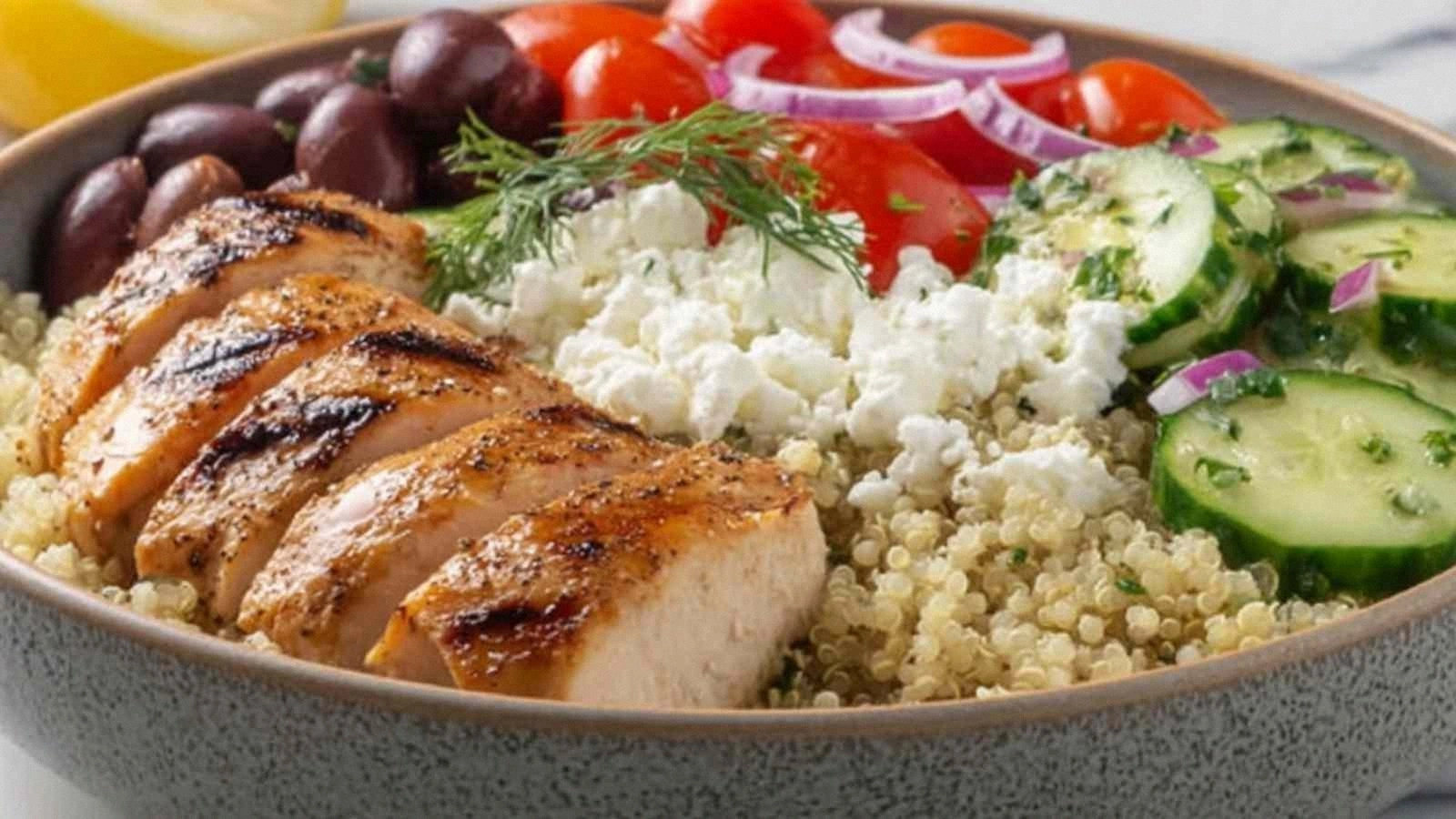
- Visual Appeal: The vibrant green of the parsley and dill, the deep red of the tomatoes, and the golden hue of the roasted chicken create a dish that looks as good as it tastes. The bowl is assembled like a piece of art, making it Instagram-worthy without any extra effort.
- Ingredient Quality: Using fresh, high‑quality ingredients is the cornerstone of this recipe. The chicken should be firm and unbranded, the olives should be pitted, and the feta should be crumbled, not sliced. Every component is chosen to complement the others.
- Time Efficiency: While the dish feels elaborate, it can be prepared in under an hour. The chicken, quinoa, and vegetables are cooked in parallel, and the dressing is ready in seconds. This makes it ideal for busy weeknights.
- Make‑Ahead Potential: The quinoa and dressing can be made a day in advance, and the chicken can be marinated overnight for even more flavor. The bowl can be assembled quickly when you’re ready to eat, making it a versatile option for meal prep.
Inside the Ingredient List
The Flavor Base
The chicken is the heart of this bowl, and its flavor is built from a simple but potent mixture of olive oil, lemon juice, garlic, oregano, dill, salt, and pepper. The olive oil serves as the medium that carries the citrusy brightness of the lemon into the meat, while the garlic provides a savory depth that lingers. Dried oregano adds a warm, slightly peppery undertone that is quintessentially Mediterranean, whereas dried dill lends a fresh, almost herbal note that cuts through the richness of the feta. If you skip any of these, the bowl will feel flat and underdeveloped; the chicken will lack that unmistakable Greek character.
The garlic is minced finely so it distributes evenly across the chicken surface, ensuring every bite is infused with its aromatic punch. The oregano and dill are measured precisely—too much can overwhelm, but the right balance creates a harmonious chorus of herbs. Salt and pepper are added at the beginning to season the meat before it cooks, allowing the flavors to meld together as the chicken browns. For a more authentic taste, consider using a pinch of Greek salt, which adds a subtle brine that pairs beautifully with the feta.
If you’re craving an extra kick, a pinch of red pepper flakes can be incorporated into the seasoning mix. This small addition will give the dish a subtle heat that complements the tangy dressing. Conversely, if you prefer a milder profile, reduce the garlic to one clove and omit the red pepper flakes altogether. The versatility of this base allows you to tailor the dish to your palate without compromising its core identity.
When selecting chicken breasts, look for ones that are firm and have a uniform color. Avoid any that feel rubbery or have a grayish tint, as these indicate age or poor handling. Fresh, high‑quality meat will absorb the herbs and citrus more effectively, resulting in a juicier final product. If you’re buying frozen chicken, thaw it completely and pat it dry before seasoning; excess moisture can prevent proper browning.
The Texture Crew
Quinoa is the backbone of the bowl’s texture, offering a nutty flavor and a satisfying bite. The grain is cooked with either water or chicken broth, which infuses it with savory undertones. Using broth instead of water adds a depth that elevates the dish from ordinary to extraordinary. The quinoa should be fluffy and separate, not clumpy, to provide contrast with the tender chicken.
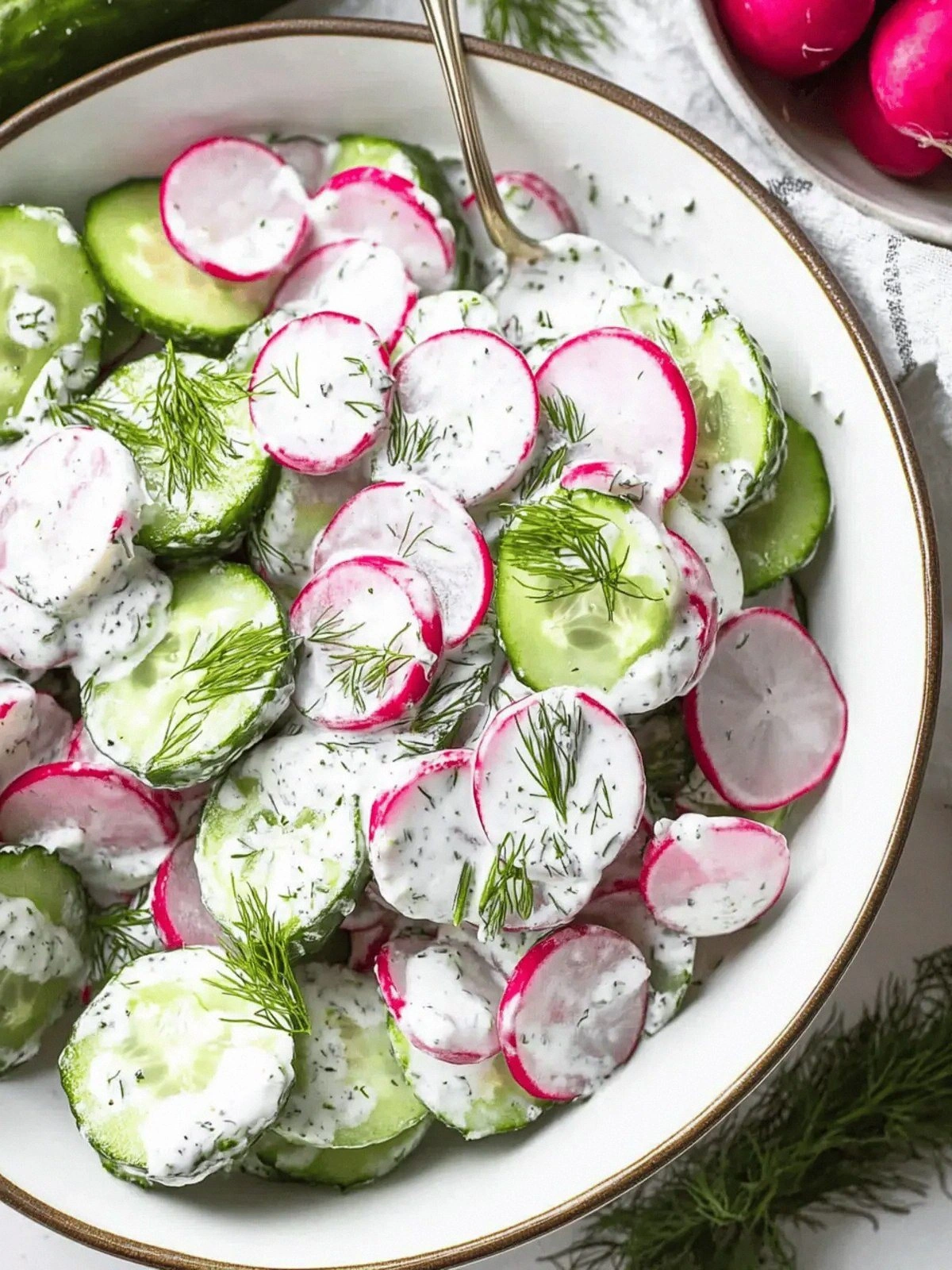
The cucumber and cherry tomatoes add a crispness that balances the softness of the quinoa and the creaminess of the hummus. Slice the cucumber into thin rounds or half‑moon shapes for easier chewing, and halve the tomatoes to release their juices. The red onion, thinly sliced, brings a mild sharpness that cuts through the richness of the feta and olives. These vegetables should be fresh and vibrant, ensuring the bowl stays bright and appetizing.
Hummus is incorporated as a creamy element that ties the flavors together. It should be smooth and spreadable, providing a subtle chickpea flavor that complements the Mediterranean theme. If you’re using store‑bought hummus, choose a plain variety to avoid added flavors that might clash. A dollop of hummus on top of the bowl adds a velvety texture that feels indulgent yet healthy.
The kalamata olives, sliced into rings, introduce a briny burst that enhances the overall taste profile. They should be pitted and rinsed to remove any excess salt. The feta cheese, crumbled, offers a salty, tangy finish that balances the lemony dressing. Together, these components create layers of texture that keep each bite interesting and satisfying.
The Unexpected Star
Fresh parsley and dill are the unsung heroes of this bowl, providing aromatic freshness that lifts the dish. Parsley adds a bright, grassy note, while dill brings a subtle anise-like flavor that is unmistakably Greek. These herbs are added both in the quinoa and as a garnish, ensuring their flavor permeates every bite. If you can’t find fresh dill, a small amount of dried dill can substitute, but the fresh version delivers a more vibrant experience.
The dressing is the unexpected star, a simple yet powerful blend that coats the bowl like velvet. It is made from olive oil, lemon juice, red wine vinegar, garlic, oregano, dill, and a pinch of salt and pepper. The acidity from the lemon and vinegar brightens the dish, while the olive oil provides a silky mouthfeel. This dressing is versatile; you can drizzle it over the entire bowl or use it as a dipping sauce on the side.
If you prefer a thicker dressing, whisk in a teaspoon of Greek yogurt or a spoonful of tahini. This not only adds creaminess but also introduces a subtle tang that complements the feta. Alternatively, a dash of honey can sweeten the dressing, creating a sweet‑savory balance that is particularly appealing to those who enjoy a hint of sweetness in their savory dishes.
The dressing’s flavor is amplified by the fresh garlic and oregano, which are minced finely to release their oils. A small amount of fresh dill is also added, giving the dressing a distinct Greek character. The final touch is a sprinkle of fresh parsley, which adds a pop of color and a burst of freshness that makes the bowl feel alive.
The Final Flourish
The final flourish of this bowl comes from a drizzle of the dressing and a sprinkle of fresh herbs, which add a finishing touch that ties all the flavors together. The dressing’s acidity cuts through the richness of the feta and the creaminess of the hummus, creating a balanced taste that is both refreshing and indulgent. The fresh herbs bring a burst of color, making the dish visually stunning.
The combination of textures—crisp vegetables, fluffy quinoa, tender chicken, creamy hummus, and briny olives—creates a symphony that delights the senses. Each bite offers a different experience, keeping the palate engaged throughout the meal. The dressing’s silky coating ensures that every element is coated in flavor, making each mouthful a burst of Mediterranean sunshine.
When serving, arrange the components in layers or mix them together, depending on your preference. A layered presentation showcases the colors and textures, while a mixed bowl ensures a harmonious blend of flavors in every spoonful. Either way, the result is a dish that feels both comforting and adventurous.
Everything's prepped? Good. Let's get into the real action.
The Method — Step by Step
- Begin by slicing the chicken breasts into bite‑sized strips. Pat them dry with a paper towel to ensure they brown nicely. In a small bowl, whisk together 3 tbsp olive oil, 3 tbsp lemon juice, 2 cloves minced garlic, 1 tsp dried oregano, 0.5 tsp dried dill, 0.5 tsp salt, and 0.25 tsp black pepper. Coat the chicken evenly and let it marinate for 10 minutes while you prep the rest.
- Heat a large skillet over medium‑high heat and add 1 tbsp olive oil. Once hot, add the marinated chicken in a single layer. Sear for 2–3 minutes on each side until the edges are golden and the interior is just cooked through. The chicken should smell fragrant and the skin should have a slight caramelization.
- While the chicken cooks, rinse 1 cup quinoa under cold water until the water runs clear. In a medium saucepan, combine the rinsed quinoa with 2 cups water or chicken broth, a pinch of salt, and a splash of olive oil. Bring to a boil, then reduce to a simmer, cover, and cook for 15 minutes or until the liquid is absorbed. Fluff with a fork and set aside.
- Prepare the dressing by whisking together 0.25 cup olive oil, 3 tbsp lemon juice, 1 tbsp red wine vinegar, 1 clove minced garlic, 1 tsp dried oregano, 1 tbsp fresh dill, and a pinch of salt and pepper. Taste and adjust the seasoning; if it’s too sharp, add a teaspoon of honey. Keep the dressing at room temperature until ready to use.
- Dice the cucumber into small cubes, halve the cherry tomatoes, thinly slice the red onion, and slice the kalamata olives into rings. Crumble 0.5 cup feta cheese and set aside. If you’re using hummus, portion 0.5 cup into a small bowl. These ingredients will be added later for freshness.
- Once the chicken is cooked, transfer it to a large bowl and drizzle with the prepared dressing. Toss gently so each piece is coated. Let the chicken rest for 2 minutes; this allows the flavors to meld.
- Divide the fluffy quinoa into four equal portions and place them at the bottom of each serving bowl. Layer the marinated chicken on top, followed by the cucumber, tomatoes, onions, olives, and feta. Add a spoonful of hummus to each bowl for that creamy contrast.
- Finish each bowl with a final drizzle of dressing, a sprinkle of fresh parsley and dill, and an extra pinch of salt and pepper. Serve immediately, or cover and refrigerate for up to 24 hours for a quick lunch.
That's it — you did it. But hold on, I've got a few more tricks that'll take this to another level. These insider tips will help you avoid common pitfalls and elevate the flavor profile even further.
Insider Tricks for Flawless Results
The Temperature Rule Nobody Follows
Many people cook chicken at a single high temperature, which can lead to uneven cooking and dry meat. The trick is to start with a high heat to sear the surface, then reduce to medium to finish cooking. This ensures the chicken stays juicy while developing a caramelized crust. If you’re using a grill, sear each side for 2 minutes, then move to a cooler section for 5 minutes.
Why Your Nose Knows Best
Before you add the dressing, give the bowl a sniff. If it smells too acidic, the lemon might be overpowering; add a splash of honey or reduce the lemon juice. Your nose is the ultimate flavor sensor, and a quick whiff can save the dish from becoming too tart. Trust your instincts and adjust on the fly.
The 5‑Minute Rest That Changes Everything
After searing the chicken, let it rest for 5 minutes before slicing. This allows the juices to redistribute, resulting in a more succulent bite. If you cut it too early, the juices will escape, leaving the meat dry. A simple rest period is the secret to restaurant‑quality chicken at home.
The Secret to Crispy Cucumber
If you like a crunchier cucumber, salt the cubes lightly and let them sit for 10 minutes before draining. The salt draws out moisture, which helps the cucumber stay crisp in the bowl. Rinse the salt off and pat dry before adding to the dish.
The Hummus Trick for Creaminess
Stir a teaspoon of Greek yogurt into the hummus before adding it to the bowl. This gives the hummus a silky texture and a slight tang that pairs well with the feta. It also prevents the hummus from becoming watery as it sits.
The Final Finish
Just before serving, sprinkle a pinch of smoked paprika over each bowl. It adds a subtle smoky depth that elevates the entire dish. If you’re a spice lover, a dash of cayenne can give the bowl a spicy kick. The final flourish is all about personal preference and making the dish your own.
Creative Twists and Variations
This recipe is a playground. Here are some of my favorite ways to switch things up:
Mediterranean Veggie Bowl
Swap the chicken for grilled eggplant slices and add roasted red peppers for a vegetarian version. Keep the quinoa, hummus, and feta the same. The eggplant will absorb the lemony dressing, creating a hearty, plant‑based bowl that still feels indulgent.
Spicy Greek Power Bowl
Add a tablespoon of harissa paste to the dressing for a fiery kick. Replace the regular hummus with a spicy chickpea spread, and sprinkle crushed red pepper flakes over the finished bowl. This variation is perfect for heat lovers who want a Mediterranean twist.
Tuna‑Tastic Greek Bowl
Use canned tuna in olive oil instead of chicken for a quick, protein‑rich alternative. Toss the tuna with the dressing, then layer it over the quinoa. Add a squeeze of fresh lemon for extra brightness. This version is great for a fast lunch or a light dinner.
Summer Salad Bowl
Replace quinoa with couscous and add diced mango and sliced avocado for a tropical flair. Keep the feta and olives to maintain the Greek essence. The mango adds a sweet contrast that pairs beautifully with the salty feta.
Pasta‑Greek Fusion
Cook a small portion of whole‑wheat penne and mix it with the quinoa for a hybrid texture. The pasta will soak up the dressing, creating a comforting, Mediterranean‑inspired pasta salad. Top with grilled shrimp for an extra protein boost.
Gluten‑Free Delight
Serve the bowl over a bed of cauliflower rice instead of quinoa to keep it gluten‑free. The cauliflower will absorb the dressing and provide a low‑carb base. Pair with a side of tzatziki for a refreshing finish.
Storing and Bringing It Back to Life
Fridge Storage
Store the assembled bowls in airtight containers for up to 24 hours. Keep the dressing separate until ready to eat to prevent sogginess. The quinoa will stay fluffy, and the chicken will remain juicy if refrigerated properly.
Freezer Friendly
For longer storage, keep the quinoa and chicken in separate freezer bags. Freeze for up to 3 months. When ready to serve, thaw in the refrigerator overnight and reheat gently on the stove or microwave. The dressing should be added fresh to preserve its bright flavor.
Best Reheating Method
To reheat the bowl, place it in a microwave‑safe bowl, cover with a damp paper towel, and heat on high for 2–3 minutes. Add a splash of water or broth to keep the quinoa moist. Finish with a fresh drizzle of dressing and a sprinkle of herbs for a fresh‑like taste.