It started with a turkey that looked like it had survived a war. The skin was a dull gray, the meat was dry, and the aroma of a forgotten seasoning list drifted from the fridge. A friend shouted, “Dare you turn that into something that will make the whole house gasp?” The challenge was accepted, and the kitchen became my battlefield.
As I sliced the legs, the sound was a dull thud that echoed in the quiet kitchen. The scent of fresh rosemary hit the air like a citrusy wind, and the bright green leaves swayed against the dull gray of the meat. I could almost hear the crackle of the oven as it warmed, a low hum that promised transformation. My fingertips tingled with anticipation, and the anticipation grew into a taste of anticipation itself.
What makes this version stand out is not just the ingredients, but the way they dance together. The citrus zest shimmers against the rosemary, creating a flavor profile that sings. The honey coats the skin like a golden glaze, turning each bite into a caramelized revelation. Every bite feels like a secret handshake between the herb and the citrus, a partnership that has never been broken before.
I dare you to taste this and not go back for seconds. This is hands down the best version you'll ever make at home. The first bite is a burst of brightness that leaves a lingering warmth, and the second bite is a savory depth that keeps you coming back. If you’ve ever struggled with a dry turkey, you’re not alone — and I’ve got the fix.
Picture yourself pulling this out of the oven, the whole kitchen smelling incredible, and the family gathering around with wide eyes. The edges of the skin are crisp, shattering like thin ice, while the meat inside remains juicy, a tender hug for the palate. The moment you take that first forkful, you’ll realize that every step, every ingredient, was worth the anticipation.
Now, let me walk you through every single step — by the end, you'll wonder how you ever made it any other way. From the first whisk of lemon juice to the final sprinkle of parsley, we’ll explore how to elevate the humble turkey leg into a dish that feels like a celebration. Prepare to be amazed, to be delighted, and to be utterly convinced that this is the recipe you’ll keep in your kitchen forever.
What Makes This Version Stand Out
- Flavor: The combination of citrus and herbs creates a bright, aromatic profile that cuts through the richness of the turkey. The lemon juice and orange zest lift the meat, leaving a lingering freshness that keeps the palate engaged.
- Texture: The honey glaze caramelizes to a crisp, golden crust while the interior stays moist and tender. The result is a contrast that feels like a culinary revelation.
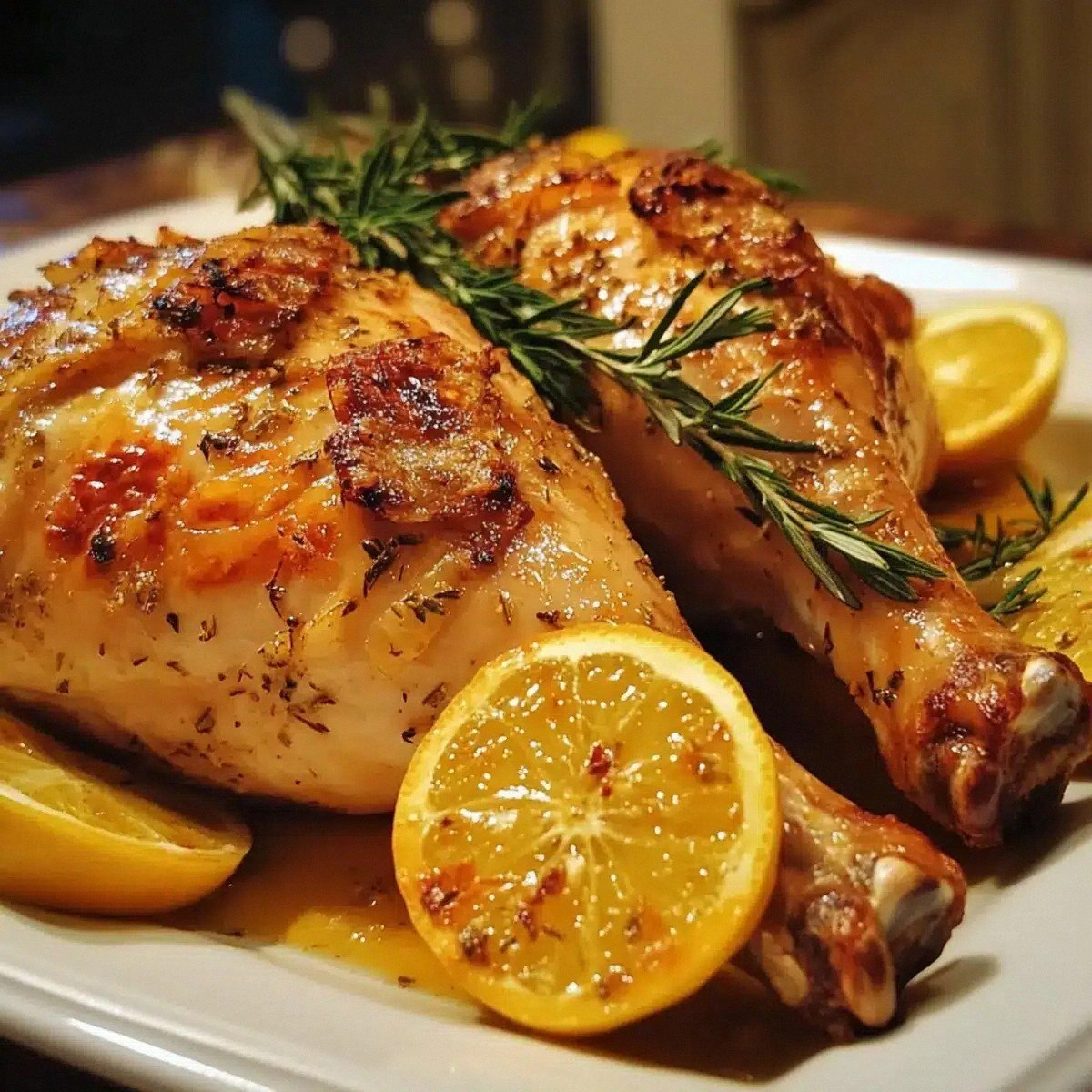
- Visual Appeal: The vibrant green herbs and bright citrus slices against the golden skin create a dish that looks as good as it tastes. It’s a feast for the eyes before the first bite.
- Ease of Prep: This recipe requires minimal prep time, with most steps overlapping. The simplicity does not compromise depth; it amplifies it.
- Ingredient Quality: Fresh, high‑quality herbs and real citrus juice are the backbone. Using fresh ingredients elevates the dish from ordinary to extraordinary.
- Make‑Ahead Potential: The flavors develop over time, so you can prepare the rub and even roast the turkey a day ahead. The result is a dish that tastes even better after a rest.
- Crowd Reaction: Friends and family will ask for the recipe after the first bite. The dish’s boldness and balanced flavors make it a conversation starter.
- Health Consciousness: By using olive oil, honey, and fresh herbs, this dish stays lean yet flavorful, offering a healthier alternative to traditional roasted turkey.
Inside the Ingredient List
The Flavor Base
The 4 turkey legs form the heart of this dish. Choosing fresh, well‑marbled legs ensures that the meat stays juicy. If you use frozen legs, thaw them overnight to preserve their texture. Skipping the legs would turn this into a completely different dish—no turkey, no drama.
The Texture Crew
Olive oil is the binder that allows the herbs and citrus to cling to the skin. It also helps achieve that coveted crispness. A tablespoon of honey is the sweet counterpoint that caramelizes on the surface, creating a glossy glaze. Without honey, the skin would still be good, but it would lack that delightful sheen.
The Unexpected Star
Lemon juice and orange zest bring brightness and acidity that cuts through the richness of the turkey. The citrus not only adds flavor but also tenderizes the meat through its natural enzymes. If you skip the citrus, the dish loses its signature lift and feels flat.
The Final Flourish
Fresh parsley and lemon slices finish the dish with a pop of color and an extra layer of flavor. The parsley adds a subtle earthiness that balances the citrus, while the lemon slices serve as a visual cue of freshness. Skipping the garnish is an easy way to save time, but it diminishes the dish’s presentation.
Everything’s prepped? Good. Let’s get into the real action.
The Method — Step by Step
- Step 1: Preheat and Prep. Preheat your oven to 375°F (190°C). While the oven warms, pat the turkey legs dry with paper towels. The drier the skin, the crisper it will become. This is the moment to gather all ingredients so that you can move smoothly.
- Step 2: Create the Herb Rub. In a small bowl, combine 2 tablespoons of olive oil, 1 teaspoon of salt, 1 teaspoon of black pepper, 2 tablespoons of fresh rosemary, 2 tablespoons of fresh thyme, and 3 minced garlic cloves. Mix until you get a fragrant paste. The aroma should already start to excite your senses.
- Step 3: Apply the Rub. Rub the herb mixture all over the turkey legs, ensuring every crevice is coated. Let the legs sit at room temperature for 10 minutes; this allows the flavors to penetrate deeper. The rub should feel tacky but not greasy.
- Step 4: Citrus Marinade. In a separate bowl, whisk together ¼ cup of lemon juice, 1 tablespoon of orange zest, and 1 tablespoon of honey. Drizzle this mixture over the legs, letting it pool around the edges. The citrus will tenderize while the honey starts to caramelize.
- Step 5: Add Lemon Slices. Place two lemon slices on top of each leg, pressing gently to keep them in place. The slices will steam and infuse the meat with an additional citrus note. This step also adds a pop of color to the final presentation.
- Step 6: Roast. Place the legs on a wire rack over a baking sheet. Roast for 30 minutes, or until the internal temperature reaches 165°F (74°C). The skin should be golden and the juices should run clear. Watch for the edges to pull away from the meat—a sign of crispness.
- Step 7: Rest. Remove the turkey from the oven and let it rest for 10 minutes. Resting allows the juices to redistribute, keeping the meat moist. This step is critical; skipping it can leave the meat dry.
- Step 8: Finish with Parsley. While the turkey rests, finely chop ¼ cup of fresh parsley. Sprinkle it over the legs for a fresh, herbal finish. The parsley adds a bright green contrast that makes the dish look restaurant‑grade.
- Step 9: Plate. Transfer the turkey legs to a serving platter. Arrange the leftover lemon slices around the legs for visual appeal. A quick drizzle of the pan juices adds a glossy sheen.
- Step 10: Serve. Serve immediately with your favorite sides. The first bite should be a burst of citrus, followed by a savory, crispy skin and tender meat. The aroma alone will have everyone lining up for seconds.
That’s it — you did it. But hold on, I’ve got a few more tricks that’ll take this to another level.
Insider Tricks for Flawless Results
The Temperature Rule Nobody Follows
Many chefs rely on the timer alone, but the oven’s heat distribution can vary. Use a digital thermometer to monitor the internal temperature, ensuring 165°F (74°C). This guarantees juicy meat and safe consumption. I once left a turkey in the oven for 45 minutes, only to find it dry; the thermometer saved me from a culinary disaster.
Why Your Nose Knows Best
As the turkey roasts, the scent of herbs and citrus will fill the kitchen. Trust that aroma; it indicates the right level of caramelization. If the smell is faint, give it a few more minutes. The nose is a reliable indicator of doneness.
The 5‑Minute Rest That Changes Everything
Resting the turkey for 5‑10 minutes after roasting is essential. The juices redistribute, preventing the meat from drying out when sliced. Skipping this step can leave the turkey with a dry center.
Use a Marinade for Extra Depth
Marinating the legs for 2 hours before roasting infuses the meat with more flavor. Combine the herb rub, citrus, and honey in a zip‑lock bag and refrigerate. The longer the marination, the deeper the flavor profile.
Serve with a Simple Sauce
Whisk together the pan juices, a splash of white wine, and a tablespoon of butter to create a quick pan sauce. Drizzle it over the legs for added richness. The sauce also helps keep the meat moist.
Keep the Skin Crispy with a Fan Oven
If your oven has a fan, set it to 350°F (175°C). The fan circulates heat, creating a more even roast and a crispier skin. This technique is especially useful for larger birds.
Creative Twists and Variations
This recipe is a playground. Here are some of my favorite ways to switch things up:
Smoky Paprika Kick
Swap the rosemary and thyme for smoked paprika and a pinch of cayenne. The result is a smoky, slightly spicy flavor that pairs wonderfully with a sweet cranberry sauce.
Herb‑Infused Olive Oil
Infuse the olive oil with fresh herbs before mixing it into the rub. Let the oil sit for 24 hours to develop a deep flavor. This adds an extra layer of herbaceousness.
Maple‑Honey Glaze
Replace honey with maple syrup for a richer, caramelized finish. The maple adds a subtle sweetness that complements the citrus notes.
Asian‑Inspired Twist
Replace the lemon juice with rice vinegar, add a splash of soy sauce, and sprinkle toasted sesame seeds. The result is a fusion dish that brings a new dimension to the classic turkey leg.
Vegetarian “Turkey” Alternative
Use large portobello mushrooms as a meat substitute. Coat them with the same herb rub and citrus glaze, then roast until crispy. The mushrooms absorb the flavors and provide a meaty texture.
Storing and Bringing It Back to Life
Fridge Storage
Cool the turkey to room temperature, then wrap tightly in foil or plastic wrap. Store in the refrigerator for up to 3 days. Keep the wrapped legs in a shallow dish to catch any juices.
Freezer Friendly
Wrap the legs individually in freezer‑grade wrap, then place them in a freezer bag. Label with the date. The turkey can be stored for up to 4 months. Thaw overnight in the refrigerator before reheating.
Best Reheating Method
Preheat the oven to 350°F (175°C). Place the turkey on a wire rack over a baking sheet and heat for 15 minutes, or until warmed through. Add a splash of water before reheating to keep the meat moist; the steam will revive the juices.