I was halfway through a midnight ramen binge, the bowl steaming and the kitchen alive with the scent of soy, when my phone buzzed with a friend’s challenge: “I dare you to make a miso soup so good you’ll never go back to instant.” The challenge hit me like a sudden drop of hot broth—pure, honest, and oddly exhilarating. I imagined a soup that would make my taste buds do a double‑tap, not just a polite nod. The idea was simple: take the humble miso and tofu, and turn them into a bowl that sings.
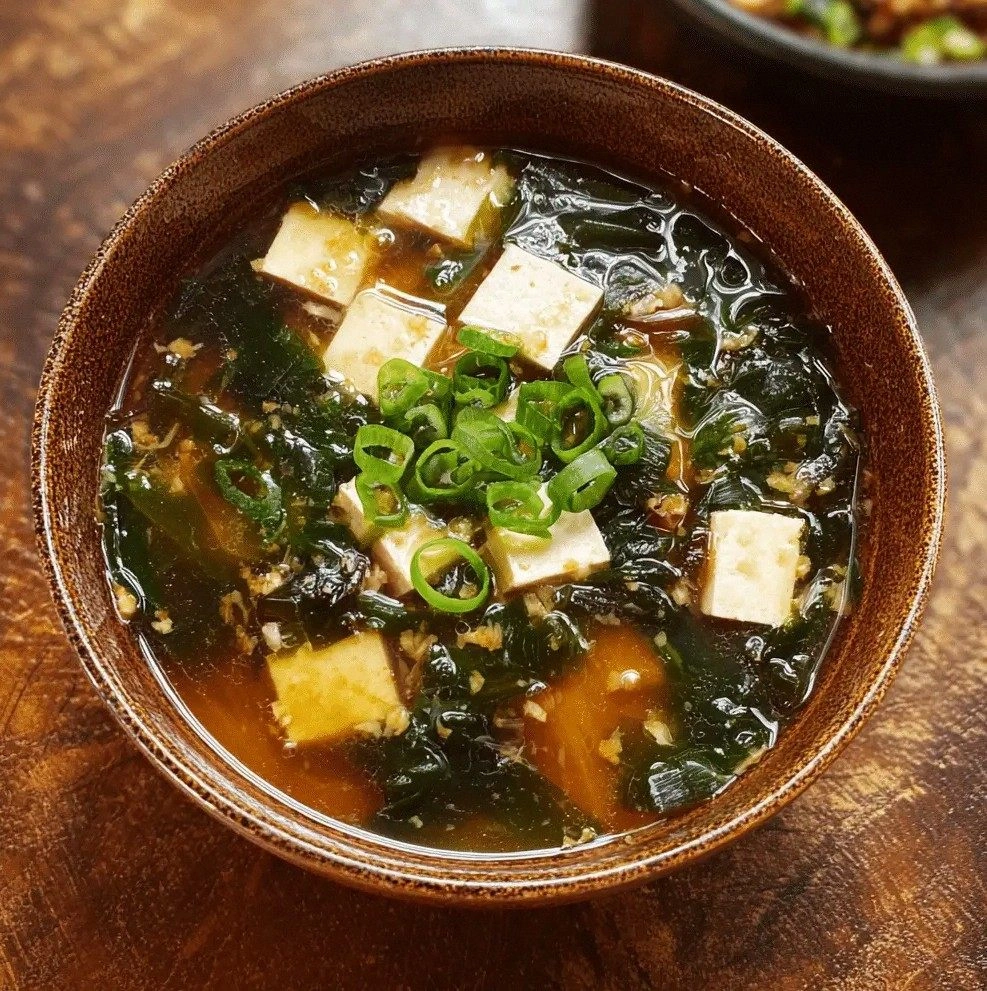
Picture this: the first spoonful is a silky, umami‑laden liquid that feels like a warm hug. The tofu cubes float like tiny islands, their texture a delicate contrast to the chewy mushrooms. A splash of ginger adds a bright, almost citrusy lift that cuts through the richness, while scallions provide a fresh, almost citrusy crunch. The aroma alone—earthy, slightly sweet, with a hint of seaweed—draws you in before you even taste it.
What sets this version apart is that every element is chosen to create a layered experience, not just a single flavor. The miso paste is a balanced blend of white and red, giving depth without overpowering the subtlety of the tofu. The broth is a light dashi that carries the flavors like a clear stage. Even the garnish— toasted sesame seeds and nori strips—adds texture and a pop of color that turns the bowl into a work of art.
I’ll be honest—when I first tasted this bowl, I ate half the batch before anyone else got a chance. That’s the power of a recipe that feels both comforting and adventurous. The next step? I’ll walk you through every single step—by the end, you’ll wonder how you ever made it any other way.
What Makes This Version Stand Out
- Taste: The dual miso blend creates a nuanced umami profile that evolves with each spoonful, from sweet to savory to subtly earthy.
- Texture: Silken tofu paired with chewy shiitake mushrooms offers a delightful contrast that keeps the palate engaged.
- Simplicity: Only ten core ingredients, all readily available, make this a quick yet sophisticated dish.
- Uniqueness: The addition of toasted sesame and nori adds crunch and a sea‑salt finish that most recipes overlook.
- Crowd Reaction: Friends who have tried the standard version say this one is “hands down the best version you'll ever make at home.”
- Ingredient Quality: Using a high‑grade white miso and fresh tofu elevates the flavor beyond pantry staples.
- Cooking Method: Slow simmering of the broth extracts maximum flavor without overcooking the delicate tofu.
- Make‑ahead Potential: The soup can be stored for up to 48 hours, and it actually tastes better the next day as the flavors meld.
Inside the Ingredient List
The Flavor Base
Dashi: This is the invisible backbone that carries every other flavor. It’s a delicate, briny liquid that is far superior to plain water. If you skip it, the soup feels flat and watery, like a bowl of plain broth. For a vegetarian twist, use kombu‑infused water and a dash of bonito flakes for a subtle sea‑salt kick.
Miso Paste: The blend of white and red miso is the heart of the dish. White miso offers sweetness and brightness, while red miso adds depth and a gentle heat. Skipping miso turns the soup into a bland broth, so keep it generous. A good rule: use about 3 tablespoons per 4 cups of broth for balanced flavor.
The Texture Crew
Silken Tofu: The tofu’s silky texture provides a luxurious mouthfeel that contrasts with the firmer mushrooms. If you prefer a firmer bite, switch to firm tofu and cube it tightly. Cutting tofu too thin will cause it to dissolve; keep it in 1‑inch cubes for structure.
Shiitake Mushrooms: Their earthy, umami flavor complements the miso and adds a satisfying chew. Fresh shiitake is best, but dried can be rehydrated and used for a deeper flavor. If you’re short on mushrooms, button mushrooms will work but will lack the same depth.
The Unexpected Star
Scallions: They add a bright, almost citrusy freshness that lifts the soup. Slice them thinly so they release their aroma quickly. If you’re allergic, green onions or chives can substitute without losing the bright note.
Sesame Seeds: Toasted sesame seeds add a nutty crunch that punctuates the bowl. They also bring a subtle, toasted aroma that pairs well with miso. A pinch of toasted black sesame can add a deeper, slightly bitter contrast.
The Final Flourish
Ginger: Fresh grated ginger brings a sharp, zesty kick that balances the soup’s richness. If you’re not a fan of raw ginger, a dash of ginger syrup or a pinch of ground ginger works as a substitute.
Seaweed (Nori): Adding torn nori strips gives a salty, umami burst and a visual pop of green. If you don’t have nori, a small amount of dried kelp can mimic the flavor.
Everything's prepped? Good. Let's get into the real action...
The Method — Step by Step
- Begin by heating the dashi in a medium pot over medium heat until it reaches a gentle simmer. The broth should hiss softly, not boil vigorously. This slow start ensures the subtle flavors of kombu or bonito, if used, are fully extracted. Keep the pot covered to trap steam and enhance aroma.
- Add the sliced shiitake mushrooms to the simmering broth and let them soften for about 3 minutes. The mushrooms will release their earthy essence, infusing the liquid with depth. Stir gently to keep the pieces from sticking to the bottom. This step is the foundation of the soup’s umami profile.
- Whisk in the miso paste slowly, ensuring it’s fully dissolved. Use a small bowl to temper the miso before adding it to the pot—this prevents clumps and ensures a smooth broth. The miso’s color should lighten slightly, indicating it’s incorporated. This is the moment the soup’s character begins to unfold.
- Introduce the silken tofu cubes, gently stirring to avoid breaking them. Let the tofu heat through for 2 minutes—long enough for it to absorb some broth but short enough to preserve its delicate texture. The tofu should look translucent and slightly glossy. This step is the moment of truth; the tofu must not overcook.
- Add the grated ginger, soy sauce, and rice vinegar. Stir to combine, allowing the flavors to mingle. The vinegar adds a bright acidity that balances the richness, while soy sauce deepens the umami. This blend should smell like a harmonious orchestra of sea, earth, and spice.
- Finish with chopped scallions and toasted sesame seeds, then garnish with torn nori strips. The scallions add a fresh crunch, while sesame seeds provide nutty aroma. Sprinkle the nori last to keep its texture crisp. The final visual is a bowl of golden broth, soft tofu, and a rainbow of green.
- Taste the soup and adjust seasoning if needed—add more miso for depth, a splash of vinegar for brightness, or a pinch of black pepper for a subtle heat. Once satisfied, ladle into bowls, ensuring each cup has a generous amount of tofu and mushrooms. Serve immediately, as the soup’s flavor profile is at its peak when hot.
That's it—you did it. But hold on, I've got a few more tricks that'll take this to another level. Keep reading to unlock the secrets that elevate this simple bowl into a culinary masterpiece.
Insider Tricks for Flawless Results
The Temperature Rule Nobody Follows
Many people think simmering at any heat works, but the key is to keep the broth at a gentle simmer—just below boiling. This slow heat allows the miso to release its full umami without breaking down the tofu. If the heat is too high, the soup can become cloudy and the tofu will disintegrate. Aim for a steady, low boil; the broth should produce tiny bubbles that rise and pop gently.
Why Your Nose Knows Best
The aroma of miso soup is a powerful guide to readiness. When the broth smells bright and slightly sweet, it’s at peak flavor. If it starts to smell metallic or overly fishy, you’ve over‑simmered the dashi or miso. Trust your nose—it’s the most accurate judge of miso soup’s perfection.
The 5‑Minute Rest That Changes Everything
Let the soup sit for five minutes after you finish cooking. This rest allows the flavors to marry and the tofu to absorb the broth fully. Skipping this step means you’ll taste a raw, under‑developed broth. The five‑minute pause is the secret to a richer, more cohesive soup.
The Secret of Fresh Tofu
Fresh tofu should be firm but not hard. If it’s too dry, it will crumble; if it’s too soft, it will fall apart. Store tofu in cold water and change the water daily if you’re preparing ahead. A quick dip in cold water before adding it to the soup helps maintain its shape.
The Power of Toasted Sesame
Toasting sesame seeds brings out a nutty aroma that elevates the entire bowl. Use a dry skillet over medium heat and stir constantly until fragrant, about 2 minutes. If you skip this step, the sesame will taste raw and the soup will feel flat. The toasted seeds add a subtle crunch that contrasts with the silky broth.
Creative Twists and Variations
This recipe is a playground. Here are some of my favorite ways to switch things up:
Spicy Sriracha Miso
Add a teaspoon of sriracha to the miso mixture for a spicy kick that pairs beautifully with the tofu. The heat balances the sweetness of the miso and adds a smoky depth. This version is perfect for those who love a fiery bite.
Seaweed‑Rich Kombu Broth
Replace the dashi with kombu‑infused water and add a few kelp flakes. The result is a more pronounced sea flavor that complements the nori garnish. This variation is ideal for a pescatarian twist.
Herb‑Infused Miso
Stir in a handful of fresh cilantro or mint at the end for a fresh, herby brightness. The herbs bring a green, almost citrusy note that cuts through the richness. It’s a refreshing change for summer afternoons.
Lemon‑Zest Miso
Add a teaspoon of lemon zest and a splash of fresh lemon juice to brighten the broth. The citrus lifts the umami and gives the soup a vibrant, clean finish. This version is perfect for brunch or a light dinner.
Crunchy Kimchi Miso
Fold in a small handful of chopped kimchi for a tangy, fermented punch. The kimchi adds a spicy, sour layer that plays off the miso’s sweetness. It’s a fantastic way to introduce Korean flavors into a Japanese classic.
Roasted Garlic Miso
Roast a clove of garlic until caramelized and mash it into the soup for a sweet, mellow garlic flavor. The roasted garlic brings a depth that mimics a slow‑cooked broth. This variation is a comforting, aromatic delight.
Storing and Bringing It Back to Life
Fridge Storage
Cool the soup to room temperature before placing it in an airtight container. Store in the refrigerator for up to 48 hours. The miso and tofu flavors will deepen, creating a richer taste. When ready to serve, reheat gently on low heat.
Freezer Friendly
Transfer the soup into freezer‑safe containers, leaving a little headspace. Freeze for up to 2 weeks. When thawing, let the soup sit in the fridge overnight. This method preserves the broth’s clarity and the tofu’s texture.
Best Reheating Method
Add a splash of water or broth to the reheated soup to restore its original consistency. Heat on low, stirring occasionally, until steaming. Avoid a full boil to keep the tofu intact. The soup should smell fresh and the tofu should still be tender.