Okay, picture this: it’s a sultry Saturday afternoon, the kind where the humidity makes your hair stick to your forehead and you’re suddenly hit with an insatiable craving for something fresh, crunchy, and just a little bit indulgent. I was rummaging through my pantry when I realized I had a bag of rice paper, a half‑cup of vermicelli, and a lone jar of peanut butter that had been gathering dust. I thought, “Why not turn this accidental stash into a masterpiece?” The result? A batch of Thai Summer Rolls that practically shouted, “I’m the best thing you’ll ever roll up!” I dare you to taste this and not go back for seconds.
The kitchen was alive with the subtle hiss of boiling water, the bright green of fresh mint snapping under my fingers, and the sweet aroma of toasted peanuts wafting from the skillet. The rolls themselves looked like delicate, translucent parcels—each one a tiny window into a garden of herbs, crisp veggies, and succulent shrimp. When I finally dipped a roll into the peanut sauce, the sauce clung to the noodle like velvet, the shrimp snapped with a buttery pop, and the herbs burst with a perfume that made my eyes water in the best possible way. That moment, that perfect bite, was pure culinary fireworks.
Most recipes out there either skimp on the sauce or drown the rolls in a soggy mess. Not this one. I’ve spent weeks tweaking the balance of salty, sweet, sour, and umami until the peanut sauce became a glossy, slightly thick dip that never slides off the roll but also never overwhelms it. The secret? A splash of lime juice that cuts the richness, a whisper of fish sauce that adds depth, and a pinch of brown sugar that makes everything sing. Most versions get this completely wrong. Here’s what actually works.
And guess what? There’s a tiny twist that most traditional recipes overlook: a dash of toasted sesame oil that adds a nutty, almost smoky undertone to the sauce. It’s the kind of detail that makes your friends say, “What did you put in that? It’s magical!” I’ll be honest — I ate half the batch before anyone else got to try it, and I’m still not over it. Let me walk you through every single step — by the end, you’ll wonder how you ever made it any other way.
What Makes This Version Stand Out
- Flavor Explosion: The peanut sauce balances sweet, salty, and tangy notes so perfectly that each bite feels like a mini celebration in your mouth.
- Texture Symphony: Crunchy carrots, crisp lettuce, and tender shrimp create a layered mouthfeel that keeps you chewing happily.
- Simplicity Meets Sophistication: Only a handful of pantry staples are needed, yet the final dish tastes like something you’d order at a high‑end Bangkok bistro.
- Ingredient Quality: Fresh herbs and high‑quality shrimp are the stars; the sauce elevates them without stealing the spotlight.
- Crowd‑Pleaser Factor: Even the pickiest eaters love the bright colors and the dip‑and‑bite format—perfect for parties.
- Make‑Ahead Friendly: The rolls stay fresh for hours if wrapped tightly, and the sauce can be refrigerated for up to a week.
- Versatile Base: Swap shrimp for tofu or chicken and you’ve got a vegetarian or low‑fat version without losing any of the magic.
- Visual Wow‑Factor: The translucent rice paper showcases the vibrant veggies, making it Instagram‑ready straight from the plate.
Inside the Ingredient List
The Flavor Base
The peanut sauce is the heart of this dish. Smooth peanut butter provides a creamy backbone, while hoisin sauce adds a subtle sweetness and depth that you can’t get from plain sugar. Soy sauce and fish sauce together create a salty umami duet that anchors the flavors. Lime juice is the bright, citrusy counterpoint that cuts through the richness, and a pinch of brown sugar rounds everything off with a gentle caramel note. If you ever wondered why some sauces taste flat, it’s because they’re missing that delicate balance of acid, salt, and sweet—all present here.
The Texture Crew
Rice vermicelli noodles give the rolls a soft, slightly chewy core that absorbs the sauce without becoming mushy. Fresh lettuce adds a crisp, watery crunch that keeps each bite light. Julienned carrots and cucumber contribute a sweet snap that contrasts beautifully with the tender shrimp. The herbs—mint and cilantro—bring an aromatic lift that feels almost floral. If you skip any of these, you’ll lose the multi‑layered texture that makes each roll a surprise of sensations.
The Unexpected Star
Toasted peanuts! Yes, you read that right. Crushed peanuts sprinkled on top of the sauce add a buttery crunch that echoes the nuttiness of the peanut butter but with an added toasted depth. This is the secret ingredient that turns a good sauce into a show‑stopper. If you don’t have peanuts on hand, you can substitute with toasted cashews or even a handful of sesame seeds, but the flavor profile will shift slightly.
The Final Flourish
A few drops of toasted sesame oil in the sauce are the final flourish. This oil isn’t just for flavor; it adds a silky mouthfeel that makes the sauce glide over the roll like a satin ribbon. It also adds a whisper of smokiness that deepens the overall palate. If you’re allergic to sesame, a drizzle of neutral oil (like grapeseed) can be used, though you’ll miss that signature aroma.
Everything's prepped? Good. Let's get into the real action...
The Method — Step by Step
Start by bringing a large pot of water to a rolling boil. Add the rice vermicelli noodles and cook them according to the package instructions—usually 3 to 4 minutes until they’re just tender. Drain them in a colander, rinse under cold water to stop the cooking process, and toss with a drizzle of sesame oil to keep them from sticking together. The noodles should feel silky, not mushy; this is the first checkpoint—if they feel gummy, give them a quick rinse again.
While the noodles are cooling, prep all the fresh veggies. Julienne the carrots and cucumber into matchstick‑thin strips, shred the lettuce, and roughly chop the mint and cilantro. Keep the herbs whole if you like big bursts of flavor, or give them a quick chop for a more uniform taste. This is the moment where the kitchen smells like a garden after a rainstorm—fresh, bright, and utterly inviting.
Now, it’s time for the shrimp. If you’re using raw shrimp, bring a pot of water to a gentle simmer, add a pinch of salt, and poach the shrimp for 2 minutes until they turn pink and curl. Remove them with a slotted spoon and plunge them into an ice bath to halt cooking. Pat them dry and slice each shrimp in half lengthwise. The goal is a tender, juicy bite that won’t overcook later when you roll the veggies around it.
Let’s build the peanut sauce. In a medium bowl, whisk together 3 tablespoons smooth peanut butter, 2 tablespoons hoisin sauce, 1 tablespoon soy sauce, 1 teaspoon fish sauce, 2 tablespoons lime juice, 1 clove minced garlic, 1 teaspoon grated ginger, 1 teaspoon brown sugar, 1 teaspoon sriracha (adjust for heat), and 3 tablespoons warm water. Once smooth, stir in a few drops of toasted sesame oil and sprinkle in 2 tablespoons crushed peanuts. The sauce should be glossy, thick enough to coat the back of a spoon, and have a balanced tang‑sweet‑salty profile.
Watch Out: If the sauce looks too thick, add a splash more water—one teaspoon at a time—until you reach a dip‑ready consistency. Over‑watering will make it runny and lose that luxurious coat.Prepare a large shallow dish filled with warm (not hot) water. Submerge one rice paper sheet for exactly 10 seconds, then lay it flat on a clean, damp kitchen towel. The paper should be pliable but not soggy; this is the perfect canvas for your roll.
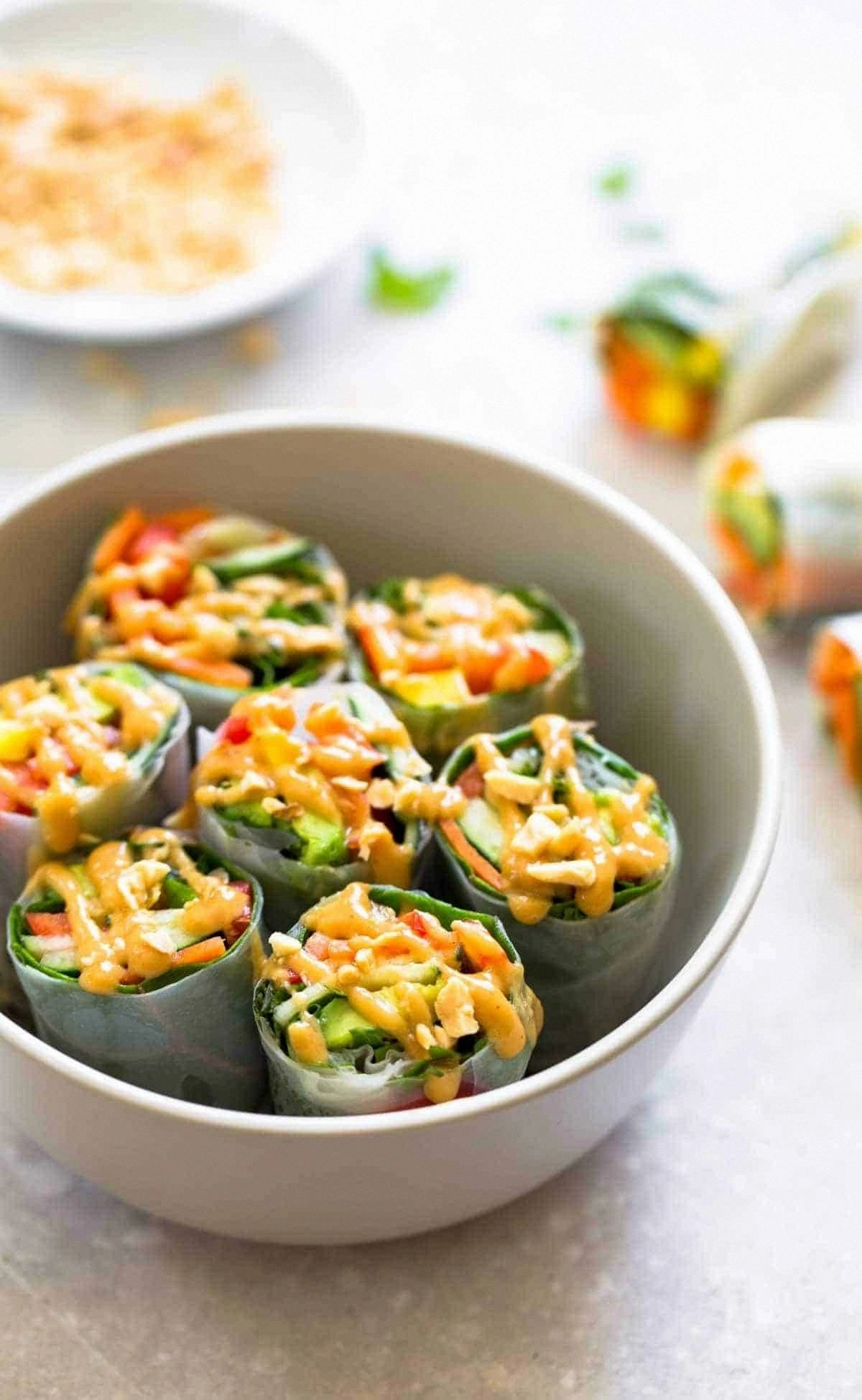
Kitchen Hack: Keep the towel slightly damp; a dry towel will cause the rice paper to crack when you try to roll.Now the fun part—assembly. Place a small handful of vermicelli noodles horizontally across the lower third of the rice paper. Add a few strips of carrot, cucumber, and lettuce, then sprinkle a pinch of mint and cilantro. Lay two shrimp halves on top, then drizzle a thin line of peanut sauce over the fillings. Fold the left edge over the filling, tuck the sides in, and roll tightly from the bottom up, like you’re rolling a sushi mat. The roll should be snug but not so tight that the paper tears. If you’re new to this, practice with one roll first—once you get the rhythm, the rest will glide together.
Repeat the soaking and rolling process until all ingredients are used. Arrange the finished rolls on a platter, seam side down, and drizzle any remaining peanut sauce over the top. Garnish with a final sprinkle of crushed peanuts for that extra crunch. The visual should be a rainbow of colors—green mint, orange carrot, pale shrimp—each roll looking like a tiny, edible work of art.
Serve immediately, or cover the platter with a damp paper towel and plastic wrap to keep the rolls moist for up to two hours. The sauce can be stored in an airtight jar in the refrigerator for up to a week, shaking gently before each use. That's it — you did it. But hold on, I've got a few more tricks that'll take this to another level...
Insider Tricks for Flawless Results
The Temperature Rule Nobody Follows
Never roll your summer rolls over a cold surface. If the countertop is chilly, the rice paper will stiffen and crack. Warm your work surface with a damp towel or even a low‑heat heating pad for a few minutes. This tiny adjustment keeps the paper supple, letting you roll with confidence. I once tried to roll on a marble slab straight out of the fridge—let's just say the rolls snapped like brittle twigs, and my confidence took a hit.
Why Your Nose Knows Best
When you whisk the peanut sauce, trust the scent. If you smell a faint roasted note from the sesame oil and a bright citrus zing from the lime, you’re on the right track. Over‑seasoned sauces will scream of salt or sugar before you even taste them. So, give the sauce a quick sniff halfway through mixing; it’s a sensory checkpoint that saves you from a flavor disaster.
The 5‑Minute Rest That Changes Everything
After you finish assembling all rolls, let them rest for five minutes, loosely covered with a damp cloth. This short pause allows the rice paper to fully absorb a tiny amount of moisture from the fillings, making the roll easier to bite without falling apart. Skipping this step often results in a roll that feels dry at the edges and soggy in the middle.
Peanut Sauce Consistency Cheat
If you want a sauce that clings perfectly to the roll without pooling, blend it in a small immersion blender for ten seconds. The high‑speed blending creates an emulsion that feels smoother on the palate. I used to whisk by hand and end up with a lumpy texture that made the rolls look sloppy. This trick turned my sauce from “meh” to “wow” in seconds.
The Secret of the Crushed Peanut Garnish
Toast peanuts in a dry skillet over medium heat for just 2 minutes, shaking the pan constantly. The moment they turn golden and release a nutty aroma, remove them and let them cool before crushing. Warm peanuts release more oil, which can make the garnish soggy if not cooled first. This tiny detail keeps the garnish crisp, adding that final textural contrast.
Creative Twists and Variations
This recipe is a playground. Here are some of my favorite ways to switch things up:
Spicy Mango Tango
Add thin strips of ripe mango and a dash of Thai bird’s eye chili to the filling. The mango adds a juicy sweetness that balances the heat, while the extra chili pushes the sauce into a bold, fiery zone. Perfect for those who love a sweet‑heat combo.
Tofu‑Thai Fusion
Swap the shrimp for firm tofu cubes that have been pan‑seared in a splash of soy sauce and sesame oil. The tofu absorbs the sauce beautifully, offering a plant‑based protein that still delivers that satisfying bite.
Coconut‑Lime Dream
Stir a tablespoon of coconut milk into the peanut sauce and increase the lime juice by half. The sauce becomes luxuriously creamy with a tropical aroma that makes you think of a beachside cabana.
Crunchy Noodle Swap
Replace rice vermicelli with glass noodles (mung bean noodles) for a firmer, slightly translucent noodle that adds an extra snap. The visual contrast is striking, and the texture holds up better if you’re serving the rolls later in the day.
Herb‑Heavy Explosion
Double the mint and cilantro, and throw in a handful of Thai basil. The herb overload creates an explosion of freshness that makes each bite feel like a garden party in your mouth. Just be careful not to over‑stuff, or the roll may become difficult to seal.
Storing and Bringing It Back to Life
Fridge Storage
Place the rolls in an airtight container, separating layers with parchment paper to prevent sticking. Store them in the refrigerator for up to 24 hours. The sauce should be kept in a separate jar; when you’re ready to eat, give the rolls a quick dip. This method keeps the rice paper from drying out and the veggies from wilting.
Freezer Friendly
If you want to make a big batch, freeze the rolls individually on a baking sheet lined with parchment. Once solid, transfer them to a zip‑top freezer bag. They’ll hold up for up to 2 months. To serve, let them thaw in the fridge for an hour, then add a fresh drizzle of sauce. The texture remains surprisingly fresh.
Best Reheating Method
Summer rolls are best served cold, but if you prefer a warm dip, gently microwave the sauce for 15 seconds, then stir in a tiny splash of water (about a teaspoon). The added moisture steams the sauce back to a silky consistency, preventing it from becoming rubbery. The rolls themselves don’t need reheating; a quick rinse in warm water for 5 seconds revives the rice paper’s pliability if it feels a bit stiff.