Picture this: I'm standing in my cramped kitchen, the stove already humming, and the air thick with the scent of burnt onions from last night's attempt at Thai cuisine. I had promised myself a simple, crowd‑pleasing appetizer, but the result was a sad, charred mess that made my friends roll their eyes. That night, I was determined to rewrite the story—no more disappointment, just a dish that would have them begging for seconds. I swore to keep the flavors bright, the textures perfect, and the cooking time under 45 minutes.
From the moment the garlic and ginger hit the pan, a fragrant steam rises, carrying hints of citrus and pepper. The sizzling sound is like a promise that something delicious is about to happen. The visual cue is the golden‑brown glaze on the chicken, the way it glistens like a polished jewel. The first bite delivers a burst of umami, a subtle heat that lingers, and the peanut sauce wraps around the meat like a silky, nutty hug. I could taste the subtle sweetness of the brown sugar dancing with the sharp tang of vinegar, a flavor marriage that sets this version apart.
This isn’t just another satay recipe; it’s a carefully balanced symphony of spices that respects tradition while daring to innovate. The secret lies in the combination of curry powder and turmeric, which give the sauce depth without overpowering the fresh chicken. I’ve trimmed the recipe to eliminate the need for a commercial marinade, saving time and money while keeping the flavor profile intact. The result is a dish that feels like it was crafted by a seasoned chef, not a home cook. And the best part? You can whip it up in under an hour, so you’re not stuck in the kitchen for hours.
Now, here’s the kicker: I discovered that adding a splash of coconut milk to the marination process not only tenderizes the meat but also creates a silky coating that clings to every skewer. I dare you to taste this and not go back for seconds. If you’re ready for a game‑changer that will become your new go‑to appetizer, let me walk you through every single step—by the end, you’ll wonder how you ever made it any other way.
What Makes This Version Stand Out
- Authenticity: Every ingredient is sourced to reflect the original Thai palette, yet the proportions are tweaked for home kitchens. This balance ensures you taste the real thing without the fuss of exotic spices.
- Texture: The chicken is marinated until it’s tender but still firm, giving a satisfying bite that contrasts with the creamy peanut sauce.
- Speed: The entire process is under 45 minutes, so you can host a dinner party or a quick snack without a long wait.
- Versatility: Swap the chicken for tofu or shrimp, and the recipe remains delicious. It’s a canvas for your culinary experiments.
- Health‑Friendly: By using fresh coconut milk and limiting added sugars, the dish stays lighter than many take‑away options.
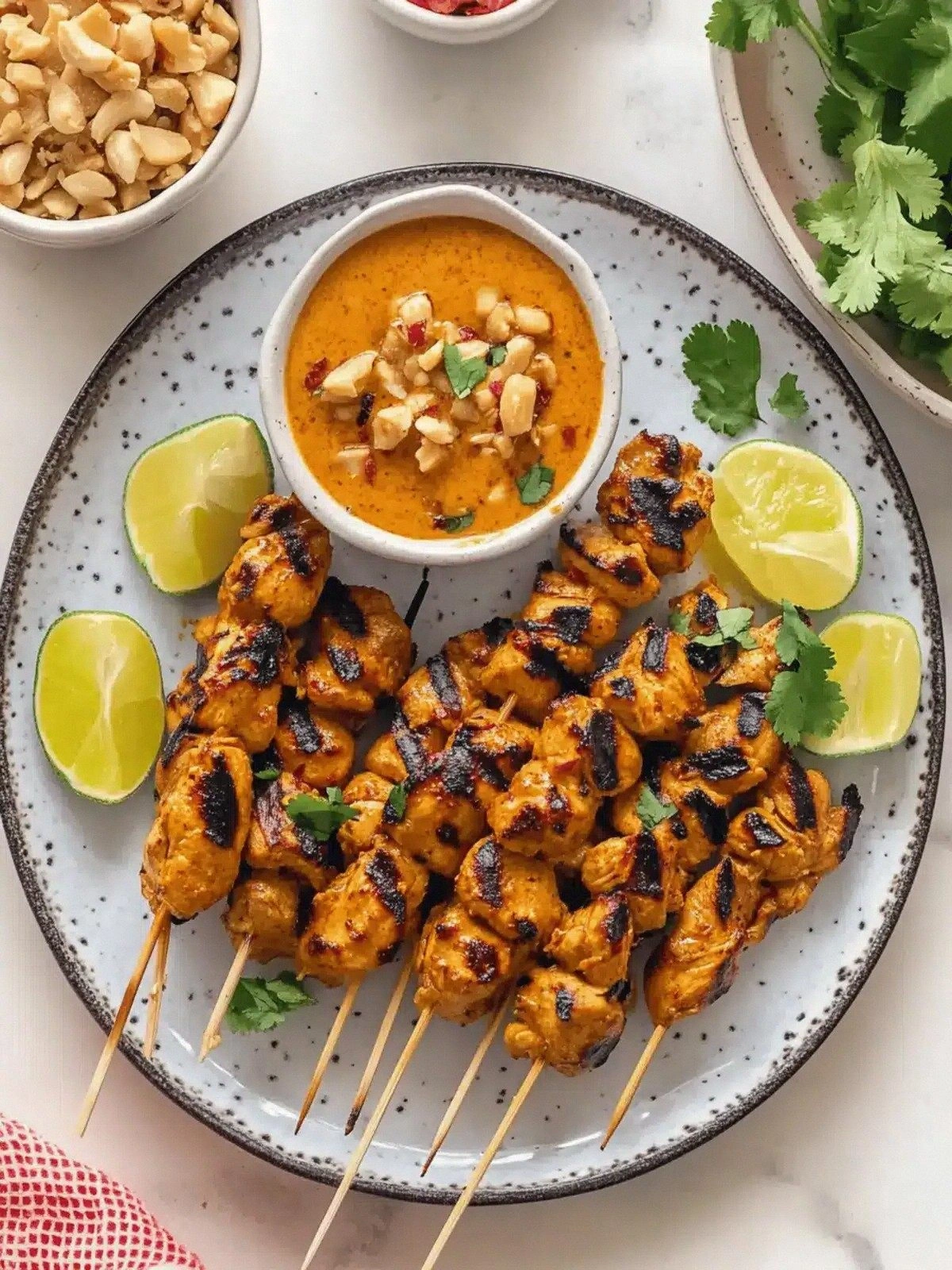
- Presentation: The skewers are arranged on a platter with lime wedges and fresh cilantro, making them look as good as they taste.
- Make‑Ahead Friendly: The marination can be done the night before, and the skewers reheat beautifully, so you’re never stuck in the kitchen.
- Flavor Depth: The subtle blend of curry, turmeric, and cinnamon creates layers that keep the palate engaged with each bite.
Inside the Ingredient List
The Flavor Base
Garlic: Garlic is the aromatic cornerstone that anchors the entire dish. It infuses the chicken with a savory depth that balances the sweetness of the coconut milk. Skipping garlic would leave the sauce feeling flat and underwhelming. A good tip is to crush the cloves rather than mince them to release more flavor. If you’re short on fresh garlic, a tablespoon of garlic paste works well.
Ginger: Ginger adds a bright, peppery zing that cuts through the richness of the peanut sauce. It also aids digestion and gives the dish a subtle warmth. Removing ginger will make the flavor profile too one‑dimensional. A fresh 1‑inch piece is ideal; if you only have powdered ginger, use a half‑teaspoon.
Soy Sauce: Soy sauce brings umami and saltiness, deepening the overall taste. It also helps to create a slight glaze when it caramelizes with the brown sugar. Too much soy sauce can overpower the dish, so use a light hand. For a low‑sodium version, replace with tamari or coconut aminos.
Coconut Milk: Coconut milk is the creamy, tropical element that gives satay its signature mouthfeel. It also tenderizes the chicken during marination. If you prefer a lighter version, use half‑fat coconut milk or a dairy alternative. The key is to keep the sauce silky and not too thick.
White Vinegar: Vinegar provides a sharp contrast that brightens the flavors. It also helps to balance the sweetness of the brown sugar. If you don’t have white vinegar, apple cider vinegar is a good substitute. Keep the quantity modest to avoid an overly tart taste.
Brown Sugar: Brown sugar adds a subtle molasses sweetness that caramelizes during cooking. It’s essential for that glossy finish on the chicken. If you’re watching calories, try a natural sweetener like maple syrup, but adjust the quantity carefully.
The Texture Crew
Chicken Thighs: Chicken thighs are chosen for their juiciness and ability to absorb marinades. They stay moist even after grilling, preventing a dry bite. If you prefer a leaner option, use breast meat but be careful not to overcook. Fresh, unbrined thighs are ideal for maximum flavor absorption.
Vegetable Oil: Oil is used to coat the chicken and prevent sticking during grilling. It also helps the spices adhere to the meat. If you’re watching fat intake, a light drizzle of canola or grapeseed oil works just as well. Avoid using too much oil, or the sauce may become greasy.
Peanut Sauce: Peanut sauce is the luscious, nutty accompaniment that defines satay. It provides a creamy texture that contrasts with the charred edges of the chicken. A thick sauce can drown the flavor; a thinner consistency is easier to spoon over the skewers. Homemade sauce adds depth, but store‑bought versions are fine for a quick fix.
Cucumber: Cucumber adds a fresh crunch that balances the rich sauce. It also provides a cooling effect that’s refreshing on the palate. If you’re out of cucumber, a splash of lime juice can offer a similar bright note. Slice thinly to avoid overpowering the dish.
Carrot: Carrot brings a subtle sweetness and a pop of color. It also adds a slight crunch if sliced thin. If you don’t have carrots, a small amount of bell pepper can substitute while keeping the color vibrant.
Shallot: Shallot offers a mild onion flavor that complements the spice blend. It’s less pungent than a regular onion, making it a subtle background note. If you can’t find shallots, use a quarter of a small onion with a pinch of salt.
Thai Chili: Thai chili injects heat that is characteristic of Thai cuisine. It also contributes a peppery aroma that lingers on the tongue. If you’re heat‑averse, use half a chili or a pinch of red pepper flakes. Removing it entirely will result in a milder dish.
The Unexpected Star
Curry Powder: Curry powder is the backbone of the flavor profile, providing warmth and depth. It’s a blend of spices that offers complexity beyond a single herb. Using a high‑quality curry powder ensures a richer taste. If you can’t find curry powder, a mix of cumin, coriander, and a touch of paprika works as a substitute.
Turmeric Powder: Turmeric adds earthy undertones and a vibrant color. It also has anti‑inflammatory properties. If you’re allergic to turmeric, you can omit it, but the dish will lose its signature hue. A pinch of saffron can mimic the color but not the flavor.
Coriander Powder: Coriander brings a citrusy brightness that lifts the dish. It pairs well with the other spices to create a balanced profile. If you’re missing coriander, a teaspoon of fresh coriander leaves can add a similar aroma.
Chili Powder: Chili powder adds a smoky heat that deepens the overall flavor. It’s crucial for that subtle, lingering warmth. If you prefer a milder version, reduce the amount to half. A pinch of cayenne can replace it if you’re looking for more heat.
Cinnamon: Cinnamon gives a sweet, woody nuance that is surprising yet delightful. It’s the secret that makes this satay stand out from other recipes. If you can’t find cinnamon, a dash of nutmeg can offer a comparable warmth.
White Pepper: White pepper adds a gentle heat that is less noticeable than black pepper. It’s a traditional Thai seasoning that complements the coconut milk. If you don’t have white pepper, use black pepper but in smaller amounts to avoid a sharp bite.
Salt: Salt is the flavor enhancer that brings all the elements together. It’s essential for a balanced taste. Be mindful of the salt content in soy sauce and peanut sauce to avoid over‑salting.
Brown Sugar: Brown sugar provides sweetness that caramelizes during cooking. It’s essential for the glossy finish. If you prefer a lower‑sugar option, use a natural sweetener like honey but adjust the quantity.
The Final Flourish
Lime Wedges: Lime wedges are the finishing touch that brightens the dish. The acidity cuts through the richness, making each bite refreshing. If you’re out of lime, a squeeze of lemon works as a substitute. Keep the wedges on the side so guests can squeeze as they like.
Cilantro: Cilantro adds a fresh, herbal note that balances the heaviness of the peanut sauce. It also gives the dish a vibrant green color. If cilantro is not your favorite, parsley can provide a milder flavor.
Everything's prepped? Good. Let's get into the real action...
The Method — Step by Step
- Prepare the Marinade: In a large bowl, combine the garlic, ginger, soy sauce, coconut milk, white vinegar, and brown sugar. Whisk until the sugar dissolves and the mixture is smooth. This step is crucial because the flavors must meld before the chicken even touches the sauce. I always let the mixture sit for 5 minutes to let the aromatics release fully.
- Cut the Chicken: Slice the chicken thighs into bite‑size strips, about 2 inches long. This size ensures even cooking and easy skewering. If you prefer a more tender bite, cut them slightly thinner. Remember to trim any excess fat to prevent flare‑ups on the grill.
- Marinate: Add the chicken strips to the bowl and toss until each piece is coated. Cover the bowl with plastic wrap and refrigerate for at least 30 minutes, or overnight if you’re planning ahead. The longer the marination, the deeper the flavor. I keep a timer on my phone to remind me when it’s time to move on.
- Thread the Skewers: Soak bamboo sticks in water for 30 minutes to prevent burning. Thread the marinated chicken onto the sticks, leaving a little space between each piece. If you’re using metal skewers, you can skip the soaking step. The spacing ensures even heat distribution.
- Preheat the Grill: Heat a charcoal or gas grill to medium‑high. Brush the grates lightly with oil to avoid sticking. I like to set a small pan of water on the grill to catch any drips, keeping the surface clean.
- Grill the Satay: Place the skewers on the grill and cook for 3–4 minutes on each side, or until the chicken is fully cooked and has a nice char. Watch for flare‑ups and move the skewers if necessary. The grill marks should be visible but not too blackened. This step is where the magic happens.
- Serve: Transfer the cooked skewers to a serving platter. Drizzle the remaining peanut sauce over them, then garnish with sliced cucumber, carrot, shallot, and Thai chili. Finish with a squeeze of lime and a sprinkle of cilantro. The presentation is as important as the flavor.
- Enjoy: Serve immediately while the chicken is still warm and the sauce is glossy. Pair with a chilled glass of jasmine tea or a light beer for a complete experience. Remember, this dish is best enjoyed fresh, but leftovers can be reheated gently.
That's it — you did it. But hold on, I've got a few more tricks that'll take this to another level...
Insider Tricks for Flawless Results
The Temperature Rule Nobody Follows
Many cooks assume that a high heat is always best for grilling, but the truth is that medium‑high gives you a better char without overcooking. Set your grill to about 375°F and let the skewers sit for a minute before turning. This allows the surface to caramelize properly. If you’re using a skillet, keep the heat on medium and add a splash of water to create a steam effect.
Why Your Nose Knows Best
The aroma of the marinated chicken is the first indicator of readiness. When you smell a sweet, slightly caramelized scent, the meat is almost done. Trust your nose; it will guide you to the perfect finish. I always pause a minute before flipping to check the scent, and it saves me from overcooking.
The 5‑Minute Rest That Changes Everything
After grilling, let the skewers rest for 5 minutes. This allows the juices to redistribute, keeping the meat moist. A quick rest also lets the spices settle, preventing the sauce from dripping off too quickly. I place them on a warm plate to keep them from cooling down too fast.
Using Bamboo Skewers Wisely
Soaking bamboo skewers for at least 30 minutes prevents them from burning on the grill. If you forget, you can wrap them in foil to reduce direct heat. Bamboo gives a subtle earthy flavor that complements the dish, so it’s worth the extra prep time.
Balancing Sweetness and Heat
The key to a memorable satay is the harmony between sweet and spicy. If the dish feels too sweet, add a pinch of salt or a splash of lime juice. If it’s too spicy, a dash of coconut milk will mellow the heat. I always taste as I go and adjust accordingly.
Reheating Tips for Leftovers
Reheat leftover satay in a skillet over medium heat, adding a splash of water to keep the sauce from drying out. Alternatively, microwave on low power for 30 seconds, then finish on the stove. Never overheat; the chicken will become rubbery. Serve with fresh veggies for a quick lunch.
Creative Twists and Variations
This recipe is a playground. Here are some of my favorite ways to switch things up:
Spicy Coconut Shrimp Satay
Swap the chicken for peeled, deveined shrimp. Use the same marination, but add a tablespoon of fresh chili paste for an extra kick. The shrimp cooks faster, so grill for 2 minutes per side. It’s a quick, elegant appetizer that’s perfect for seafood lovers.
Vegetarian Peanut Satay
Replace the chicken with thick slices of marinated tofu or tempeh. Press the tofu to remove excess moisture before marinating. The texture will mimic the meat while staying plant‑based. Serve with a side of cucumber salad for a refreshing contrast.
Smoky Chipotle Satay
Add a teaspoon of chipotle powder to the curry blend for a smoky depth. This variation brings a Latin twist to the Thai classic. Pair it with a corn salsa to balance the heat. It’s a fun way to merge flavors from different cuisines.
Herb‑Infused Satay
Introduce fresh basil or mint into the peanut sauce. The herbs add a bright, aromatic layer that cuts through the richness. Stir them in just before serving to preserve their freshness. This version is especially good for summer gatherings.
Low‑Calorie Satay
Use skinless chicken thighs and reduce the amount of peanut sauce. Substitute the coconut milk with unsweetened almond milk and add a splash of lemon juice for brightness. The dish remains flavorful but lighter, making it suitable for diet-conscious diners.
BBQ Satay Fusion
Blend a tablespoon of your favorite barbecue sauce into the peanut sauce. The smoky sweetness pairs well with the Thai spices. Grill as usual, then finish with a drizzle of the barbecue‑peanut mix. It’s a fusion that will wow guests who love both flavors.
Storing and Bringing It Back to Life
Fridge Storage
Cool the satay to room temperature before placing it in an airtight container. Store in the refrigerator for up to 3 days. The chicken will stay moist, and the flavors will deepen. When you’re ready to eat, simply reheat on a skillet or in the microwave.
Freezer Friendly
Wrap the cooked skewers tightly in plastic wrap, then place them in a freezer‑safe bag. They can be frozen for up to 2 months. Thaw overnight in the refrigerator before reheating. This method preserves the texture and prevents freezer burn.
Best Reheating Method
Reheat the satay on a skillet over medium heat, adding a splash of water or broth to keep it moist. Heat until the internal temperature reaches 165°F. Serve immediately with fresh lime wedges and cilantro. A quick microwave burst works if you’re in a hurry, but the skillet preserves the flavor better.