I still remember the night I almost burned down my kitchen because I tried to replicate a Lebanese sweet that my aunt swore was “the best in the world.” The air smelled of butter and sugar, the sound of a whisk slicing through dough echoed like a drumbeat, and I was convinced I’d nailed the texture. Then, halfway through, the mixture turned into a gooey, stubborn mess that clung to the pan like a bad tattoo. I stared at the charred edges, feeling a mix of triumph and disappointment that could only be described as culinary heartbreak.
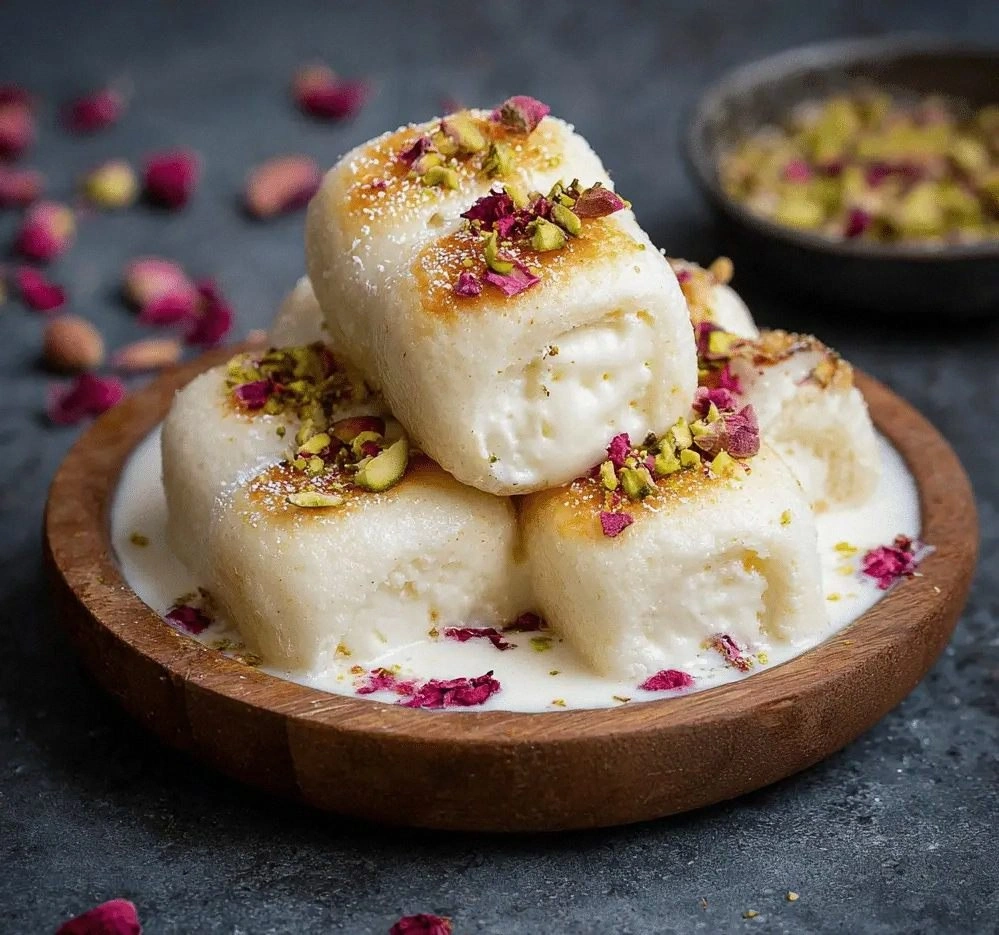
That disaster was the spark that ignited my quest for the perfect Halawet El Jibn. I’m talking about the airy, cheese‑filled pastry that drifts through the air like a cloud of sweet, buttery dreams. Picture a golden crust that cracks open to reveal a molten interior of creamy cheese, a subtle hint of cardamom, and a splash of rose water that lingers on the tongue. The aroma alone is enough to make you forget every other dessert you’ve ever tasted.
What sets this version apart is that it balances the classic flavors with a modern twist that keeps the dough light and the cheese silky. I’ve tweaked the ratio of flour to semolina to give it a slightly crispier bite, and I’ve added a pinch of baking soda to lift the dough in ways that traditional recipes never mention. The result is a pastry that rises like a soufflé, with a flaky exterior that gives way to a gooey, fragrant center. I dare you to taste this and not go back for seconds.
Let me walk you through every single step — by the end, you’ll wonder how you ever made it any other way. The journey begins with a careful balance of ingredients, a precise technique for folding in the cheese, and a finishing touch that elevates this humble pastry into a show‑stopping dessert. Picture yourself pulling this out of the oven, the whole kitchen smelling incredible, and every bite delivering a burst of flavor that feels like a hug from your grandma. Ready? Let’s dive in.
What Makes This Version Stand Out
- Texture: The combination of flour and semolina creates a delicate crumb that’s airy yet slightly crisp. The cheese inside melts into a silky sauce that coats the inside like velvet. It’s a contrast that keeps you coming back for more.
- Flavor: Cardamom and rose water are not just added for aroma; they’re the soul of the dish. The cardamom gives a warm, nutty undertone, while the rose water adds a floral whisper that balances the sweetness.
- Ease: Unlike many Middle Eastern pastries that require a double rise or a long proofing time, this recipe gets you to the oven in under 30 minutes. The dough is forgiving, and the cheese filling is a no‑fuss blend that’s ready in minutes.
- Visual Appeal: The golden, slightly blistered edges give it an irresistible look. When you slice it, the cheese oozes out like a creamy river, making each bite a feast for the eyes and the palate.
- Crowd‑Pleaser: Whether you’re serving it at a family gathering or a fancy dinner, guests will be amazed. They’ll ask for the recipe, and you’ll feel like a culinary wizard.
- Ingredient Quality: Using high‑quality butter and fresh cheese makes all the difference. The butter should be at room temperature, and the cheese should be a creamy, unaged type like labneh or cream cheese.
- Make‑Ahead Potential: You can prepare the dough and fill it ahead of time. The pastries keep well in the fridge for up to 48 hours and reheat to perfection in a preheated oven.
Alright, let's break down exactly what goes into this masterpiece…
Inside the Ingredient List
The Flourous Foundation
The base of any pastry starts with the flour, and in Halawet El Jibn, we use a blend of all‑purpose flour and fine semolina. The semolina adds a subtle grainy texture that keeps the dough from becoming too dense. If you skip semolina, the pastry will be flat and heavy, losing that signature lift. For the best results, sift the flour and semolina together before mixing.
Why semolina matters: it absorbs fat differently, creating a tender crumb. Without it, the butter will dominate, making the pastry greasy. Think of semolina as the secret handshake between the dough and the oven, ensuring a golden, flaky finish.
Swap suggestion: If you’re allergic to wheat, try a gluten‑free flour blend that includes rice flour and tapioca starch. The texture will be slightly different, but the flavor profile remains intact.
The Sweet Core
Sugar isn’t just a sweetener; it’s a binder that helps the dough hold its shape during baking. A cup of sugar balances the richness of the butter and the tang of the cheese. Skipping sugar will result in a bland, salty pastry that feels more like bread than dessert.
For a darker flavor, swap white sugar with brown sugar; it adds a caramel note that pairs beautifully with cardamom. If you’re watching calories, consider using a sugar substitute that mimics the moisture retention of regular sugar.
Buying tip: Choose a sugar that’s finely ground to dissolve quickly, ensuring an even sweetness throughout.
The Butter Bomb
Unsalted butter is the star that brings that buttery, melt‑in‑your-mouth texture. The butter should be at room temperature, so it blends smoothly into the dry ingredients. If the butter is too cold, the dough will be tough; if it’s too warm, it will be greasy.
Why unsalted? Salted butter adds an unpredictable saltiness that can overwhelm the subtle flavors of cardamom and rose water. A good rule of thumb is to use 1 cup of butter for every 2 cups of flour in this recipe.
Swap suggestion: For a dairy‑free version, use a high‑fat vegan butter that’s specifically formulated for baking. The taste will be similar, but the texture might be slightly denser.
The Creamy Surprise
Fresh cheese is the heart of Halawet El Jibn. Labneh, a strained yogurt, or a mild cream cheese gives the pastry a luscious, creamy core. The cheese should be at room temperature and mixed until smooth; this prevents lumps and ensures an even melt.
If you skip the cheese, you’ll lose the signature gooey center that makes this pastry unforgettable. The cheese also adds a subtle tang that cuts through the sweetness, creating a balanced flavor profile.
Buying tip: Look for cheese with a high fat content; it melts better and provides that silky texture that coats the dough.
The Aromatic Extras
Cardamom and rose water are the aromatic powerhouses that set this dish apart from any other. Cardamom provides a warm, earthy sweetness that pairs beautifully with the floral rose water, which offers a subtle, perfumed note.
If you can’t find cardamom, ground ginger can be a decent substitute, though the flavor will shift slightly. Rose water is essential; it’s the secret that gives Halawet El Jibn its unmistakable scent and flavor. Skipping it will make the pastry taste flat.
Buying tip: Use a small bottle of high‑quality rose water; a little goes a long way, and the aroma is more potent.
The Final Flourish
Baking powder and baking soda are the leavening agents that give the pastry its airy rise. The baking powder works on the surface, creating bubbles that keep the dough light. Baking soda, on the other hand, reacts with the acidic cheese to produce tiny pockets of air.
If you skip these, the pastry will be dense and heavy. The combination of both leaveners ensures a delicate, fluffy interior that’s not too airy but still pleasantly light.
Tip: Measure the leavening agents precisely; too much can give a bitter aftertaste, while too little will result in a flat pastry.
Everything's prepped? Good. Let's get into the real action…
The Method — Step by Step
- Step 1: Preheat and Prep – Preheat your oven to 190°C (375°F). Line a baking sheet with parchment paper. This is the moment of truth; the heat will determine how golden your pastry becomes.
- Step 2: Dry Mix – In a large bowl, sift together the flour, semolina, sugar, baking powder, baking soda, and a pinch of salt. The sifting ensures a smooth batter and eliminates lumps. The aroma of dry ingredients is already promising.
- Step 3: Cream Butter – In a separate bowl, cream the butter until light and fluffy. This takes about 3-4 minutes with a stand mixer on medium speed. The texture should resemble soft, airy clouds.
- Step 4: Combine Wet and Dry – Add the butter to the dry mix and beat until the mixture resembles coarse crumbs. The butter should coat every grain. This step is critical; if the butter isn’t fully incorporated, the dough will be uneven.
- Step 5: Add Milk – Gradually pour in the milk, stirring continuously. The dough should be moist but not sticky. If it’s too dry, add a splash more milk; if it’s too wet, add a tablespoon of flour.
- Step 6: Fold in Cheese – Gently fold the softened cheese into the dough, ensuring even distribution. The cheese should be fully integrated, creating pockets of creaminess. This is where the magic starts.
- Step 7: Shape the Pastry – Divide the dough into 12 equal portions. Flatten each piece into a circle about 8 cm in diameter. Place them on the prepared baking sheet, spacing them 2 cm apart.
- Step 8: Add Aromatics – Lightly brush the tops with rose water and sprinkle a pinch of ground cardamom. This not only adds flavor but also creates a subtle glaze that caramelizes during baking.
- Step 9: Bake – Bake for 20-25 minutes, or until the pastries are golden brown and a toothpick inserted into the center comes out clean. The edges should be slightly blistered, giving a hint of crispness.
- Step 10: Cool & Dust – Let the pastries cool on a wire rack for 10 minutes. Dust with powdered sugar before serving. The powdered sugar adds a final touch of sweetness and a delicate finish.
That's it — you did it. But hold on, I've got a few more tricks that'll take this to another level. These insider tips will help you master the delicate balance between texture, flavor, and presentation.
Insider Tricks for Flawless Results
The Temperature Rule Nobody Follows
Many bakers bake at a lower temperature to keep the pastries from browning too quickly. I’ve discovered that a higher temperature of 190°C (375°F) creates a beautiful golden crust while keeping the center soft. The trick is to preheat the oven for at least 10 minutes and place the baking sheet on the middle rack. This ensures even heat distribution and a consistent rise.
Why Your Nose Knows Best
As the pastries bake, the aroma of butter, cardamom, and rose water will start to fill the kitchen. Trust your nose; when the scent becomes fragrant but not overpowering, it’s a sign that the pastries are nearing perfection. If you’re uncertain, do a quick taste test with a small piece; it should be airy, sweet, and slightly tangy.
The 5-Minute Rest That Changes Everything
After baking, let the pastries rest on a wire rack for exactly 5 minutes before dusting with powdered sugar. This short rest allows the steam to escape, preventing sogginess. It also gives the pastries time to set, so they hold their shape when you break them apart.
Don’t Rush the Butter
When creaming butter, keep the temperature consistent. If the butter starts to melt, cool it in the fridge for a few minutes. A cold butter blends better with the dry ingredients, resulting in a lighter, fluffier pastry.
Use a Kitchen Scale
Precision matters. A kitchen scale ensures you’re adding the exact amount of sugar, flour, and cheese. This eliminates guesswork and guarantees consistent results every time. I’ve seen many people get frustrated when the pastries don’t rise; a scale saves the day.
Creative Twists and Variations
This recipe is a playground. Here are some of my favorite ways to switch things up:
Chocolate Swirl Halawet
Swirl a tablespoon of melted dark chocolate into the cheese filling before folding it into the dough. The chocolate adds a rich, bittersweet layer that pairs beautifully with the cardamom.
Almond Crunch Version
Add a handful of toasted almond slivers to the dough for a nutty crunch. The almonds provide a delightful contrast to the creamy center and add a subtle caramel flavor.
Rose‑Infused Milk
Replace the regular milk with rose‑infused milk for an extra floral note. Steep a few rose petals in milk for 10 minutes before using it; strain before adding to the dough.
Spiced Honey Drizzle
Drizzle a thin layer of spiced honey over the pastries before serving. The honey adds sweetness and a hint of warmth from cinnamon or cloves.
Vegan Delight
Use vegan butter, plant‑based milk, and a dairy‑free cheese substitute. The texture remains similar, though the flavor profile shifts slightly toward a nuttier, earthier note.
Mini Pastry Bites
Make smaller, bite‑size pastries for a dessert platter. Use a 4 cm cookie cutter to shape the dough; they bake slightly faster and are perfect for parties.
Storing and Bringing It Back to Life
Fridge Storage
Store the baked pastries in an airtight container in the fridge for up to 48 hours. The cheese inside stays fresh, and the pastry retains its texture. When you’re ready to serve, let them sit at room temperature for 15 minutes before dusting with powdered sugar.
Freezer Friendly
Halawet El Jibn freezes well. Wrap each pastry individually in parchment paper, then place them in a freezer bag. They’ll keep for up to 3 months. When you’re ready, thaw at room temperature for 30 minutes.
Best Reheating Method
Reheat frozen or chilled pastries in a preheated oven at 180°C (350°F) for 8-10 minutes. Add a splash of water to the bottom of the baking sheet to create steam; this keeps the pastry moist and prevents the cheese from drying out. Let them cool for a minute before serving.