
Thai Panang Curry
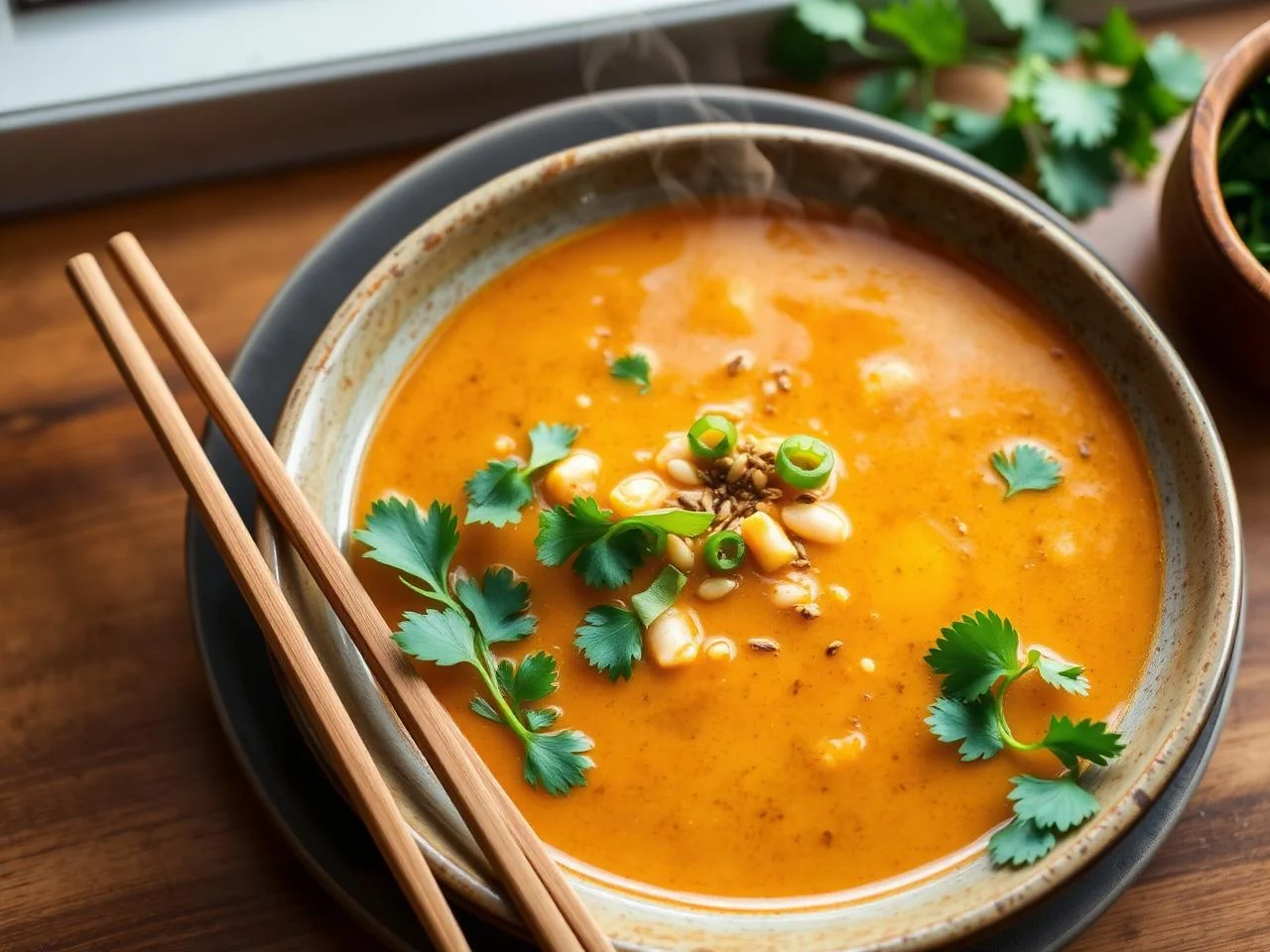
I still remember the first time I had Thai Panang Curry at a small restaurant in Bangkok. The combination of tender chicken, rich and creamy sauce, and the fragrance of Thai basil and kaffir lime leaves was absolutely captivating. Since then, I've been on a mission to recreate this dish in my own kitchen, and after numerous attempts, I'm excited to share my version of Thai Panang Curry with you.
This recipe is a result of my passion for Asian home cooking and my desire to make takeout-style dishes accessible to everyone. With a few simple ingredients and some basic cooking techniques, you can create a delicious and authentic Thai Panang Curry in the comfort of your own home.
One of the things that sets Thai Panang Curry apart from other curries is its rich and creamy sauce, which is made with a combination of coconut milk, fish sauce, and spices. The sauce is also flavored with kaffir lime leaves, lemongrass, and galangal, which give it a unique and aromatic flavor.
This recipe is perfect for anyone who loves Thai food and wants to try something new and exciting. It's also a great option for those who are looking for a dish that's easy to make and can be prepared in advance.
In this recipe, I'll guide you through the process of making Thai Panang Curry from scratch, including preparing the ingredients, cooking the chicken, and making the sauce. I'll also provide you with some tips and variations to help you customize the dish to your taste.
Why You’ll Love This Recipe
- This recipe is easy to make and requires minimal ingredients.
- It's a great option for those who are looking for a dish that's both flavorful and healthy.
- The sauce can be made in advance and refrigerated or frozen for later use.
- The dish is highly customizable, and you can adjust the level of spiciness and the type of protein to your liking.
- It's a great option for a weeknight dinner or a special occasion.
- The recipe makes a large batch of sauce, which can be used for other dishes, such as noodles or stir-fries.
Why This Recipe Works
The key to making a great Thai Panang Curry is to use high-quality ingredients and to cook the sauce slowly and carefully. This allows the flavors to meld together and the sauce to thicken, creating a rich and creamy texture.
Another important aspect of this recipe is the use of layers of flavor. The sauce is made with a combination of spices, herbs, and other ingredients, each of which adds a unique and complex flavor to the dish. The chicken is also marinated in a mixture of fish sauce, lime juice, and spices, which helps to tenderize it and add flavor.
The type of oil used for cooking is also crucial, as it can affect the flavor and texture of the dish. In this recipe, I recommend using a neutral-tasting oil, such as canola or vegetable oil, to cook the chicken and sauce.
Finally, the resting time is important, as it allows the flavors to meld together and the sauce to thicken. This helps to create a dish that's full of flavor and has a rich, creamy texture.
Ingredients You’ll Need
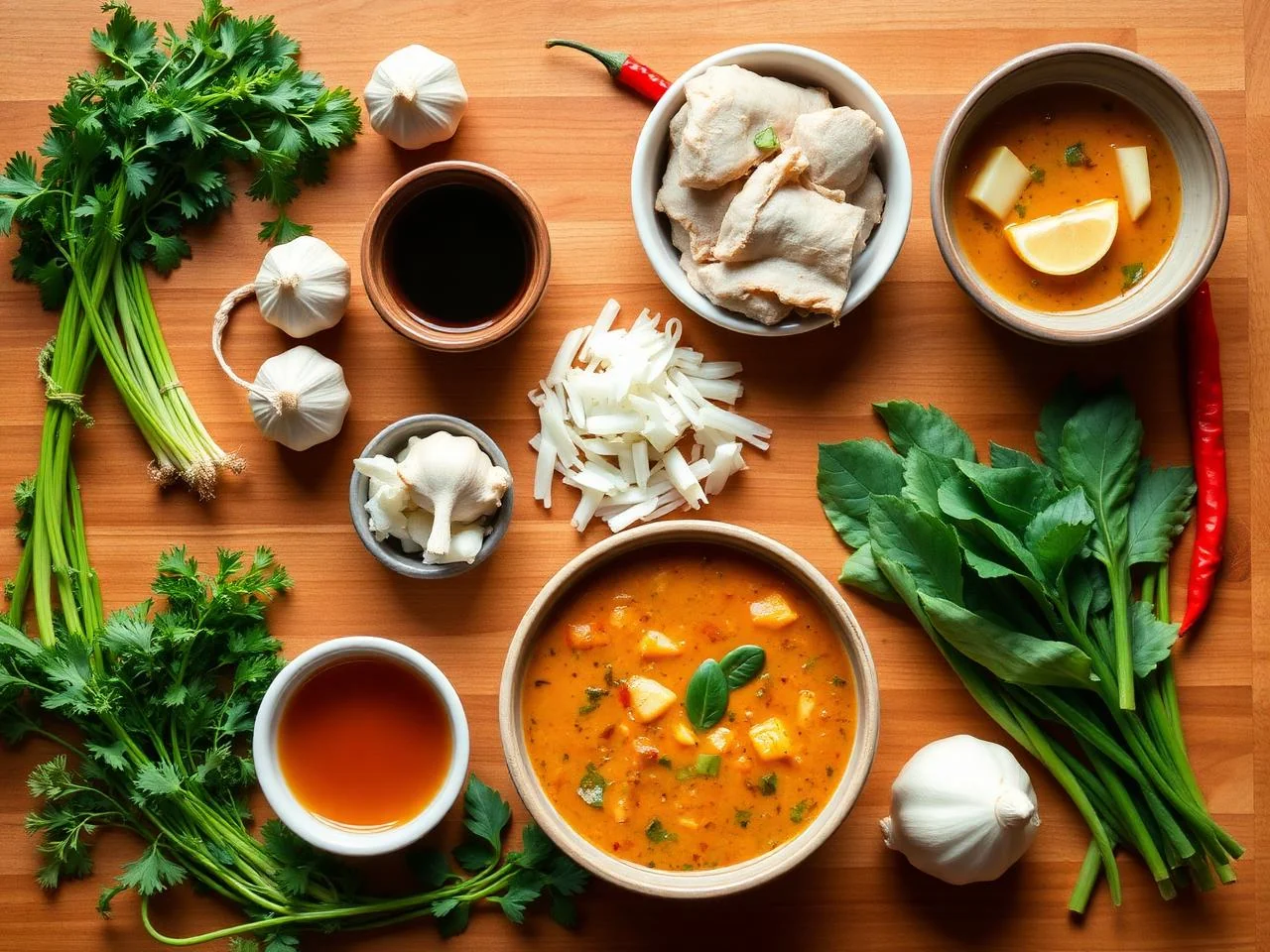
To make Thai Panang Curry, you'll need a few simple ingredients, including chicken, coconut milk, fish sauce, and spices. You'll also need some fresh herbs, such as Thai basil and kaffir lime leaves, to add flavor and aroma to the dish.
When shopping for ingredients, be sure to look for high-quality coconut milk and fish sauce, as these will give the dish its rich and creamy texture. You can find these ingredients at most Asian markets or online.
- 1 lb (450g) boneless, skinless chicken breastsYou can also use chicken thighs or a combination of both. Just be sure to adjust the cooking time accordingly.
- 2 tablespoons vegetable oilYou can also use other neutral-tasting oils, such as canola or grapeseed oil.
- 4 cloves garlic, mincedFresh garlic is essential for this recipe, as it adds a lot of flavor to the sauce.
- 1 tablespoon grated fresh gingerYou can also use ground ginger, but fresh ginger is preferred for its flavor and texture.
- 2 tablespoons Panang curry pasteYou can find Panang curry paste at most Asian markets or online. If you can't find it, you can also use other types of curry paste, such as red or green curry paste.
- 2 cups (475ml) coconut milkFull-fat coconut milk is essential for this recipe, as it gives the sauce its rich and creamy texture.
- 2 tablespoons fish sauceFish sauce is a common ingredient in Thai cuisine, and it adds a lot of flavor to the dish. You can find it at most Asian markets or online.
- 1 tablespoon lime juiceFresh lime juice is essential for this recipe, as it adds a lot of flavor and aroma to the dish.
- 1 teaspoon palm sugarPalm sugar is a type of sugar that's commonly used in Thai cuisine. You can find it at most Asian markets or online. If you can't find it, you can also use brown sugar or honey.
- 1/2 teaspoon saltYou can adjust the amount of salt to your taste. Just be sure to use a high-quality salt, such as sea salt or kosher salt.
- 1/4 teaspoon black pepperFreshly ground black pepper is essential for this recipe, as it adds a lot of flavor to the dish.
- 2 tablespoons chopped fresh Thai basilFresh Thai basil is essential for this recipe, as it adds a lot of flavor and aroma to the dish. You can find it at most Asian markets or online.
- 2 kaffir lime leavesKaffir lime leaves are a type of leaf that's commonly used in Thai cuisine. You can find them at most Asian markets or online. If you can't find them, you can also use other types of citrus leaves, such as lemon or orange leaves.
Equipment You’ll Need
How to Make Thai Panang Curry
- 1Heat 1 tablespoon of oil in a large skillet or wok over medium-high heat. Add the chicken and cook until it's browned and cooked through, about 5-7 minutes. Transfer the chicken to a plate and set it aside.
- 2In the same skillet, add the remaining 1 tablespoon of oil. Add the minced garlic and grated ginger and cook, stirring constantly, until they're fragrant and lightly browned, about 1-2 minutes.
- 3Add the Panang curry paste to the skillet and cook, stirring constantly, until it's fragrant and lightly browned, about 1-2 minutes.
- 4Pour in the coconut milk and bring the mixture to a simmer. Cook, stirring occasionally, until the sauce has thickened and reduced slightly, about 5-7 minutes.
- 5Add the fish sauce, lime juice, palm sugar, salt, and black pepper to the skillet. Stir to combine and cook for an additional 1-2 minutes.
- 6Add the cooked chicken back to the skillet and stir to combine with the sauce. Cook for an additional 1-2 minutes, until the chicken is fully coated in the sauce.
- 7Stir in the chopped fresh Thai basil and kaffir lime leaves. Cook for an additional 1 minute, until the herbs are fragrant and the sauce has thickened slightly.
- 8Use an instant-read thermometer to check the internal temperature of the chicken. It should be at least 165°F (74°C).
- 9Transfer the curry to a serving dish and garnish with additional fresh Thai basil and kaffir lime leaves, if desired.
- 10Let the curry rest for 10-15 minutes before serving. This will allow the flavors to meld together and the sauce to thicken.
- 11Serve the curry over steamed rice or noodles and enjoy.
- 12To make the sauce ahead of time, simply cook it according to the recipe and let it cool to room temperature. Transfer the sauce to an airtight container and refrigerate it for up to 3 days or freeze it for up to 2 months. Reheat the sauce over low heat, stirring occasionally, until it's warmed through.
Expert Tips
- Use high-quality ingredients, such as fresh garlic and ginger, to add flavor to the dish.
- Don't overcook the chicken, as it can become dry and tough.
- Adjust the level of spiciness to your taste by adding more or less curry paste.
- Use a variety of protein, such as chicken, beef, or pork, to change up the dish.
- Add other ingredients, such as bell peppers or bamboo shoots, to the curry to add texture and flavor.
- Serve the curry with a variety of sides, such as steamed rice, noodles, or roti, to round out the meal.
- Let the curry rest for 10-15 minutes before serving to allow the flavors to meld together and the sauce to thicken.
- Reheat the curry over low heat, stirring occasionally, until it's warmed through.
Common Mistakes to Avoid
- Not cooking the chicken to a safe internal temperature, which can result in foodborne illness.
- Overcooking the chicken, which can make it dry and tough.
- Not using high-quality ingredients, such as fresh garlic and ginger, which can affect the flavor of the dish.
- Not adjusting the level of spiciness to your taste, which can result in a dish that's too spicy or not spicy enough.
- Not letting the curry rest for 10-15 minutes before serving, which can affect the flavor and texture of the dish.
- Not reheating the curry over low heat, stirring occasionally, which can result in a dish that's not warmed through.
Variations and Substitutions
- Add other ingredients, such as bell peppers or bamboo shoots, to the curry to add texture and flavor.
- Use a variety of protein, such as chicken, beef, or pork, to change up the dish.
- Adjust the level of spiciness to your taste by adding more or less curry paste.
- Serve the curry with a variety of sides, such as steamed rice, noodles, or roti, to round out the meal.
- Add other herbs, such as basil or cilantro, to the curry to add fresh flavor.
- Use a different type of milk, such as almond or soy milk, to make the dish dairy-free.
- Add other spices, such as cumin or coriander, to the curry to add depth and complexity.
What to Serve With Thai Panang Curry
Thai Panang Curry is a versatile dish that can be served with a variety of sides, such as steamed rice, noodles, or roti. You can also serve it with a variety of vegetables, such as bell peppers or bamboo shoots, to add texture and flavor to the dish.
Some other options for serving Thai Panang Curry include serving it with a side of steamed vegetables, such as broccoli or green beans, or serving it with a side of fried rice or noodles. You can also serve it with a variety of drinks, such as Thai iced tea or coconut water, to round out the meal.
Make-Ahead, Storage, Freezing and Reheating
Thai Panang Curry can be stored in the refrigerator for up to 3 days or frozen for up to 2 months. To store the curry, simply transfer it to an airtight container and refrigerate or freeze it.
To reheat the curry, simply transfer it to a saucepan and heat it over low heat, stirring occasionally, until it's warmed through. You can also reheat it in the microwave, but be careful not to overheat it, as this can result in a dish that's dry and tough.
When reheating the curry, be sure to stir it occasionally to prevent the sauce from sticking to the bottom of the pan. You can also add a little water or coconut milk to the curry to thin it out and prevent it from becoming too thick.
It's also important to note that Thai Panang Curry can be made ahead of time and refrigerated or frozen for later use. Simply cook the curry according to the recipe and let it cool to room temperature. Then, transfer it to an airtight container and refrigerate or freeze it until you're ready to serve it.
Frequently Asked Questions
What is Panang curry paste?
Panang curry paste is a type of curry paste that's commonly used in Thai cuisine. It's made with a combination of spices, herbs, and other ingredients, and it's used to add flavor to a variety of dishes, including curries and stir-fries.
Can I use other types of curry paste?
Yes, you can use other types of curry paste, such as red or green curry paste, to make Thai Panang Curry. However, keep in mind that the flavor and texture of the dish may be slightly different.
Can I make the sauce ahead of time?
Yes, you can make the sauce ahead of time and refrigerate or freeze it for later use. Simply cook the sauce according to the recipe and let it cool to room temperature. Then, transfer it to an airtight container and refrigerate or freeze it until you're ready to serve it.
Can I use other types of protein?
Yes, you can use other types of protein, such as beef or pork, to make Thai Panang Curry. Simply adjust the cooking time and method according to the type of protein you're using.
Can I add other ingredients to the curry?
Yes, you can add other ingredients, such as bell peppers or bamboo shoots, to the curry to add texture and flavor. Simply adjust the cooking time and method according to the ingredients you're using.
How do I reheat the curry?
To reheat the curry, simply transfer it to a saucepan and heat it over low heat, stirring occasionally, until it's warmed through. You can also reheat it in the microwave, but be careful not to overheat it, as this can result in a dish that's dry and tough.
Can I freeze the curry?
Yes, you can freeze the curry for up to 2 months. Simply transfer it to an airtight container and freeze it until you're ready to serve it.
How do I store the curry?
To store the curry, simply transfer it to an airtight container and refrigerate or freeze it. Be sure to label the container with the date and contents, and use it within a few days or months, depending on the storage method.
Ingredients
- 1 lb (450g) boneless, skinless chicken breasts
- 2 tablespoons vegetable oil
- 4 cloves garlic, minced
- 1 tablespoon grated fresh ginger
- 2 tablespoons Panang curry paste
- 2 cups (475ml) coconut milk
- 2 tablespoons fish sauce
- 1 tablespoon lime juice
- 1 teaspoon palm sugar
- 1/2 teaspoon salt
- 1/4 teaspoon black pepper
- 2 tablespoons chopped fresh Thai basil
- 2 kaffir lime leaves
Instructions
- Heat 1 tablespoon of oil in a large skillet or wok over medium-high heat. Add the chicken and cook until it's browned and cooked through, about 5-7 minutes. Transfer the chicken to a plate and set it aside.
- In the same skillet, add the remaining 1 tablespoon of oil. Add the minced garlic and grated ginger and cook, stirring constantly, until they're fragrant and lightly browned, about 1-2 minutes.
- Add the Panang curry paste to the skillet and cook, stirring constantly, until it's fragrant and lightly browned, about 1-2 minutes.
- Pour in the coconut milk and bring the mixture to a simmer. Cook, stirring occasionally, until the sauce has thickened and reduced slightly, about 5-7 minutes.
- Add the fish sauce, lime juice, palm sugar, salt, and black pepper to the skillet. Stir to combine and cook for an additional 1-2 minutes.
- Add the cooked chicken back to the skillet and stir to combine with the sauce. Cook for an additional 1-2 minutes, until the chicken is fully coated in the sauce.
- Stir in the chopped fresh Thai basil and kaffir lime leaves. Cook for an additional 1 minute, until the herbs are fragrant and the sauce has thickened slightly.
- Use an instant-read thermometer to check the internal temperature of the chicken. It should be at least 165°F (74°C).
- Transfer the curry to a serving dish and garnish with additional fresh Thai basil and kaffir lime leaves, if desired.
- Let the curry rest for 10-15 minutes before serving. This will allow the flavors to meld together and the sauce to thicken.
- Serve the curry over steamed rice or noodles and enjoy.
- To make the sauce ahead of time, simply cook it according to the recipe and let it cool to room temperature. Transfer the sauce to an airtight container and refrigerate it for up to 3 days or freeze it for up to 2 months. Reheat the sauce over low heat, stirring occasionally, until it's warmed through.