
Japanese Teriyaki Chicken
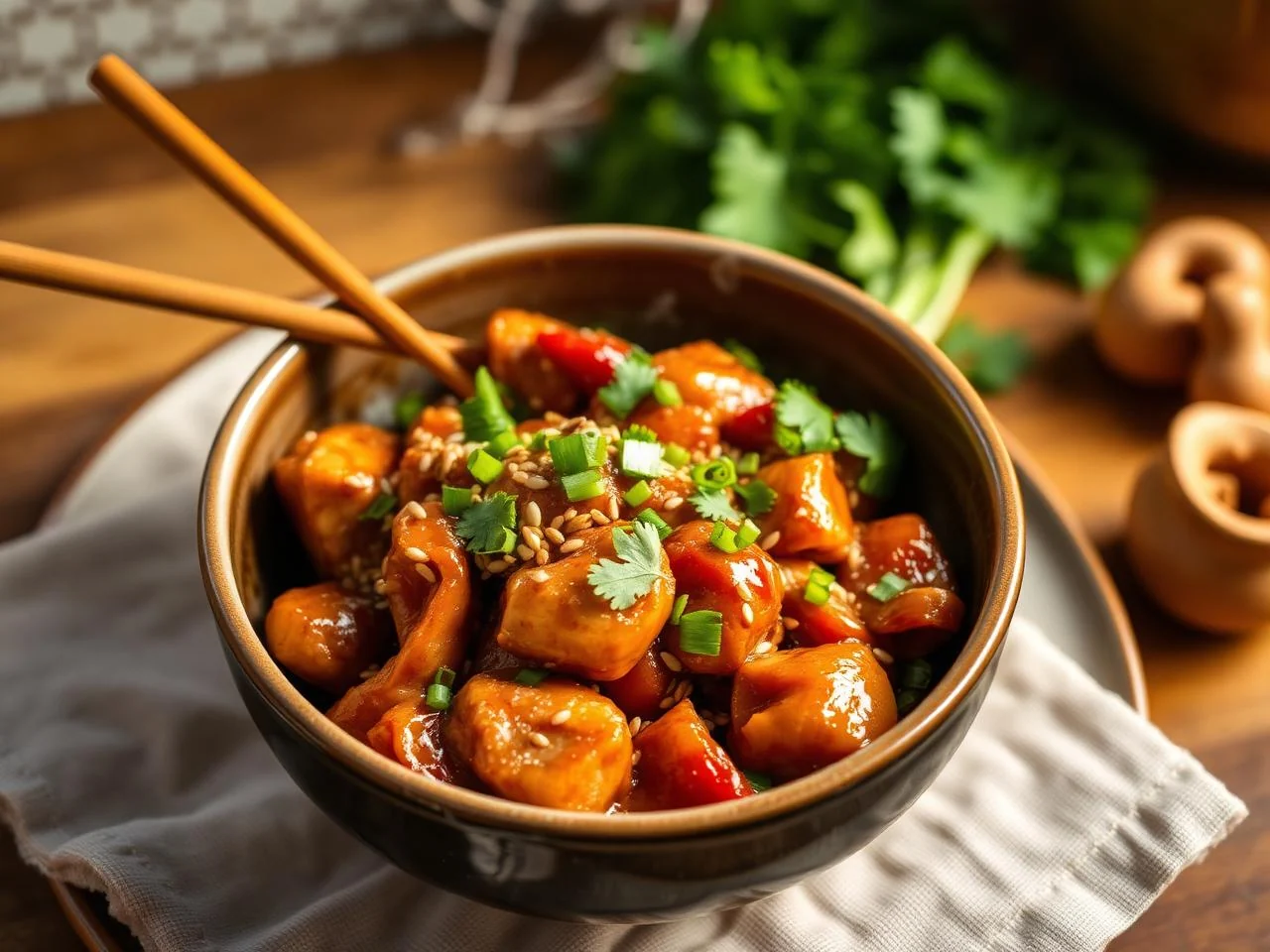
I still remember the first time I had Japanese Teriyaki Chicken at a small restaurant in Tokyo. The combination of tender chicken, sweet and savory teriyaki sauce, and steamed vegetables was love at first bite. Since then, I've been on a mission to recreate this dish at home, and after countless experiments, I'm excited to share my recipe with you.
This Japanese Teriyaki Chicken recipe is a staple in my household, and I'm confident it will become one in yours too. It's easy to make, requires minimal ingredients, and is perfect for a quick weeknight dinner or a special occasion. The best part? It's incredibly versatile, so feel free to get creative with your favorite vegetables, noodles, or rice.
One of the things I love about this recipe is the balance of flavors. The teriyaki sauce, made with soy sauce, sake, mirin, and sugar, is sweet, savory, and slightly tangy, while the chicken remains juicy and tender. The key to achieving this balance is to cook the chicken at the right temperature and to not overcook it. I'll share my tips and tricks with you throughout this recipe, so you can achieve the same delicious results.
Whether you're a seasoned cook or a beginner, this recipe is perfect for anyone looking to try their hand at Japanese cuisine. It's a great introduction to the flavors and techniques of Japan, and it's sure to become a favorite in your household. So, let's get started and make some delicious Japanese Teriyaki Chicken!
In this recipe, I'll guide you through the process of making Japanese Teriyaki Chicken from scratch. We'll start with the ingredients and equipment you'll need, and then move on to the steps involved in preparing and cooking the dish. I'll also share some tips and variations to help you customize the recipe to your taste.
Why You’ll Love This Recipe
- This recipe is easy to make and requires minimal ingredients
- It's perfect for a quick weeknight dinner or a special occasion
- The dish is incredibly versatile, so you can get creative with your favorite vegetables, noodles, or rice
- The teriyaki sauce is sweet, savory, and slightly tangy, making it a great addition to any meal
- The chicken remains juicy and tender, even when cooked to a perfect 165 F (74 C)
- The recipe is a great introduction to Japanese cuisine and its flavors and techniques
Why This Recipe Works
The secret to this recipe's success lies in the balance of flavors and textures. The teriyaki sauce, made with a combination of soy sauce, sake, mirin, and sugar, provides a sweet and savory flavor profile that complements the chicken perfectly. The chicken, cooked to a perfect 165 F (74 C), remains juicy and tender, while the sauce adds a rich and velvety texture.
Another important aspect of this recipe is the use of aromatics. The combination of garlic, ginger, and scallions adds a depth of flavor and aroma that elevates the dish to the next level. By sautéing these ingredients in oil before adding the chicken, we create a flavorful foundation that enhances the overall taste of the dish.
The cooking technique used in this recipe is also crucial. By cooking the chicken in a hot skillet or wok, we achieve a nice sear on the outside, while keeping the inside juicy and tender. This technique, combined with the balanced flavors and textures, results in a dish that is both delicious and visually appealing.
Ingredients You’ll Need
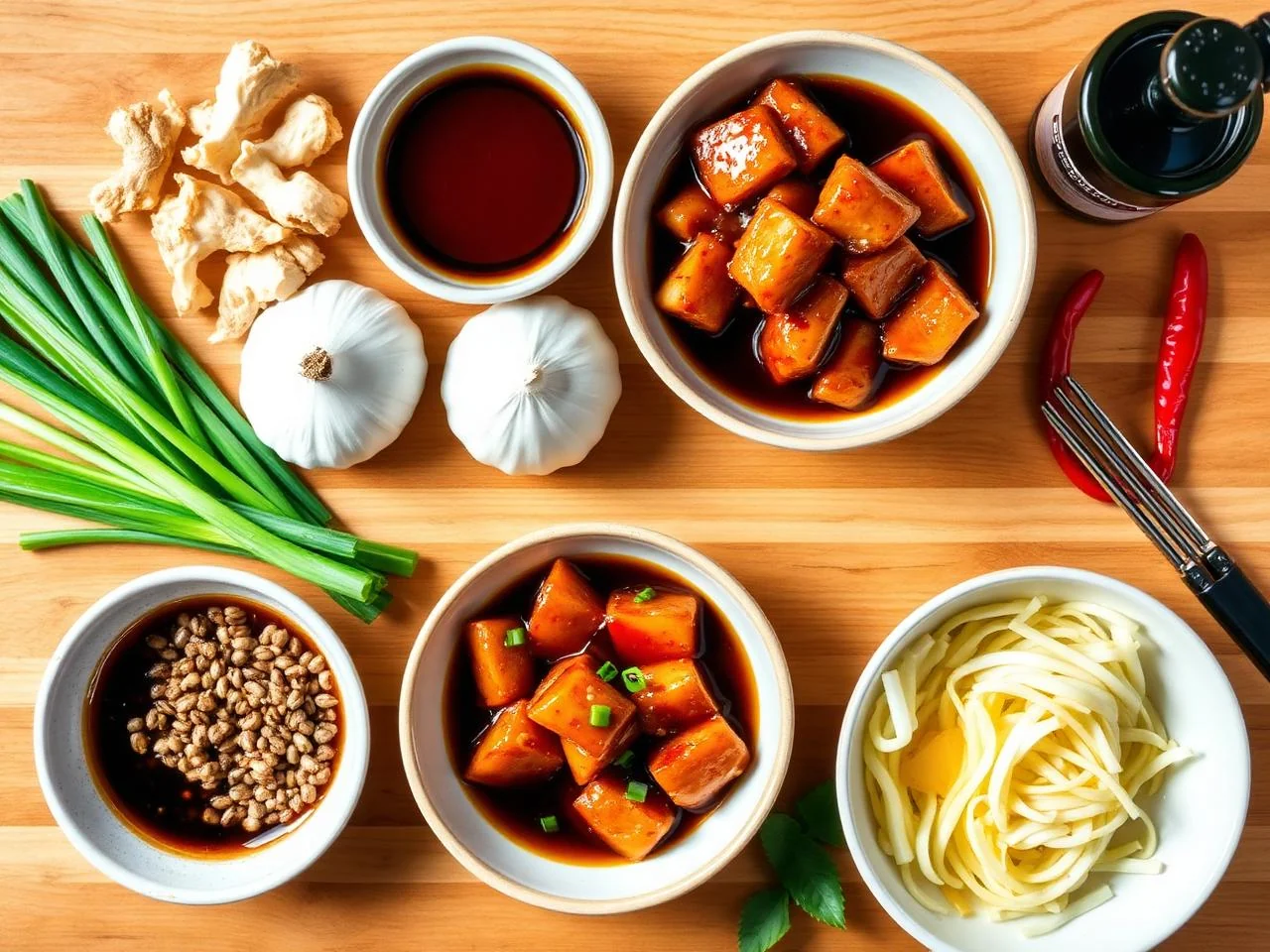
When it comes to making Japanese Teriyaki Chicken, the ingredients are just as important as the technique. You'll need a combination of pantry staples, such as soy sauce, sake, and mirin, as well as fresh ingredients like chicken, garlic, and scallions. Make sure to choose high-quality ingredients, as they will make a big difference in the final flavor and texture of the dish.
In this recipe, we'll be using a combination of 10 ingredients, each with its own unique flavor and texture. From the savory teriyaki sauce to the crunchy scallions, every ingredient plays a crucial role in creating a dish that is both delicious and visually appealing.
- 1 lb (450g) chicken thighs, bonelessChoose boneless, skinless chicken thighs for this recipe, as they will cook more evenly and quickly. You can also use chicken breasts, but thighs are more traditional and tender.
- 2 tbsp soy sauceSoy sauce is a staple in Japanese cuisine, and it provides a salty, umami flavor to the dish. Make sure to choose a high-quality soy sauce that is free of additives and preservatives.
- 2 tbsp sakeSake is a type of Japanese rice wine that adds a subtle, slightly sweet flavor to the dish. You can substitute it with dry white wine or mirin, but sake is traditional and preferred.
- 2 tbsp mirinMirin is a sweet Japanese cooking wine that adds a rich, velvety texture to the sauce. It's a key ingredient in traditional teriyaki sauce, so try to find it in your local Asian market or online.
- 2 tbsp brown sugarBrown sugar adds a deep, caramel-like flavor to the sauce, balancing out the savory flavors of the soy sauce and sake. You can substitute it with white sugar, but brown sugar is preferred for its richer flavor.
- 2 cloves garlic, mincedGarlic is a fundamental ingredient in many Japanese dishes, and it adds a pungent, aromatic flavor to the sauce. Make sure to mince it finely, so it cooks evenly and quickly.
- 1 tsp grated gingerGinger is another essential ingredient in Japanese cuisine, and it adds a warm, spicy flavor to the sauce. Grate it finely, so it cooks evenly and quickly.
- 1/4 cup scallions, thinly slicedScallions add a crunchy, fresh texture to the dish, and they provide a nice contrast to the rich, savory sauce. Use them as a garnish, and add them to the dish just before serving.
- 2 tbsp vegetable oilVegetable oil is used to cook the chicken and aromatics, and it provides a neutral flavor that won't overpower the other ingredients. Choose a high-quality oil with a high smoke point, such as peanut or avocado oil.
- Salt and pepper to tasteSeason the dish with salt and pepper to taste, and adjust the seasoning as needed. You can also add other seasonings, such as sesame oil or furikake, to enhance the flavor of the dish.
Equipment You’ll Need
How to Make Japanese Teriyaki Chicken
- 1In a small bowl, whisk together soy sauce, sake, mirin, and brown sugar to make the teriyaki sauce. Set it aside for later use.
- 2In a large skillet or wok, heat 1 tablespoon of vegetable oil over medium-high heat. Add the minced garlic and grated ginger, and cook for 1-2 minutes, until fragrant.
- 3Add the chicken thighs to the skillet, and cook for 5-6 minutes per side, until they reach an internal temperature of 165 F (74 C). Use an instant-read thermometer to check the temperature.
- 4Once the chicken is cooked, remove it from the skillet, and set it aside to rest.
- 5In the same skillet, add the remaining 1 tablespoon of vegetable oil, and pour in the teriyaki sauce. Bring the sauce to a simmer, and cook for 2-3 minutes, until it thickens and reduces slightly.
- 6Add the sliced scallions to the skillet, and cook for 1 minute, until they're slightly wilted.
- 7Return the chicken to the skillet, and toss it in the teriyaki sauce, until it's fully coated.
- 8Season the dish with salt and pepper to taste, and adjust the seasoning as needed.
- 9Garnish the dish with additional scallions, if desired, and serve it over steamed rice or noodles.
- 10Let the dish rest for 5-10 minutes before serving, to allow the flavors to meld together and the chicken to retain its juices.
Expert Tips
- Use high-quality ingredients, such as fresh garlic and ginger, to enhance the flavor of the dish.
- Don't overcook the chicken, as it will become dry and tough. Use an instant-read thermometer to ensure it reaches a safe internal temperature.
- Adjust the amount of soy sauce and sake to your taste, as some people prefer a stronger or weaker flavor.
- Add other ingredients, such as sliced bell peppers or carrots, to the skillet with the chicken, for added flavor and nutrition.
- Use this recipe as a base, and experiment with different seasonings and ingredients, to create your own unique teriyaki sauce.
- Let the dish rest for 5-10 minutes before serving, to allow the flavors to meld together and the chicken to retain its juices.
- Garnish the dish with toasted sesame seeds or chopped green onions, for added texture and flavor.
- Serve the dish with steamed rice or noodles, for a filling and satisfying meal.
Common Mistakes to Avoid
- Overcooking the chicken, which can make it dry and tough.
- Not using an instant-read thermometer, which can result in undercooked or overcooked chicken.
- Not adjusting the seasoning, which can result in a dish that's too salty or too bland.
- Not letting the dish rest, which can result in a lack of flavor and texture.
- Not using high-quality ingredients, which can result in a dish that's lacking in flavor and texture.
- Not cooking the sauce long enough, which can result in a thin and watery sauce.
Variations and Substitutions
- Add sliced bell peppers or carrots to the skillet with the chicken, for added flavor and nutrition.
- Use different types of protein, such as beef or pork, for a variation on the dish.
- Add other seasonings, such as sesame oil or furikake, to the dish, for added flavor.
- Use different types of noodles or rice, such as soba or jasmine rice, for a variation on the dish.
- Add other ingredients, such as sliced mushrooms or snow peas, to the skillet with the chicken, for added flavor and nutrition.
- Use a different type of cooking oil, such as peanut or avocado oil, for a variation on the dish.
- Add a spicy kick, such as red pepper flakes or sriracha, to the dish, for added flavor.
What to Serve With Japanese Teriyaki Chicken
Serve the Japanese Teriyaki Chicken over steamed rice or noodles, for a filling and satisfying meal. You can also add other ingredients, such as sliced bell peppers or carrots, to the dish, for added flavor and nutrition.
Consider serving the dish with a side of steamed vegetables, such as broccoli or green beans, for a well-rounded meal. You can also add a side of miso soup or a green salad, for added flavor and nutrition.
Make-Ahead, Storage, Freezing and Reheating
The Japanese Teriyaki Chicken can be stored in the refrigerator for up to 3 days, or frozen for up to 2 months. To store, let the dish cool to room temperature, then transfer it to an airtight container and refrigerate or freeze.
To reheat, simply microwave the dish for 1-2 minutes, or reheat it in a skillet over medium heat. You can also add a little water or broth to the dish, to prevent it from drying out.
Consider making a large batch of the teriyaki sauce, and storing it in the refrigerator or freezer, for future use. The sauce can be used as a marinade, or as a sauce for other dishes, such as noodles or stir-fries.
Frequently Asked Questions
What is teriyaki sauce?
Teriyaki sauce is a sweet and savory sauce made from a combination of soy sauce, sake, mirin, and sugar. It's a staple in Japanese cuisine, and is often used as a marinade or sauce for grilled or pan-fried dishes.
Can I use different types of protein?
Yes, you can use different types of protein, such as beef or pork, for a variation on the dish. Simply adjust the cooking time and temperature, according to the protein you're using.
How do I store the dish?
The Japanese Teriyaki Chicken can be stored in the refrigerator for up to 3 days, or frozen for up to 2 months. To store, let the dish cool to room temperature, then transfer it to an airtight container and refrigerate or freeze.
Can I make the dish ahead of time?
Yes, you can make the dish ahead of time, and store it in the refrigerator or freezer, for future use. Simply reheat the dish, according to the instructions, and serve.
What are some variations on the dish?
Some variations on the dish include adding sliced bell peppers or carrots, using different types of noodles or rice, or adding other seasonings, such as sesame oil or furikake. You can also use different types of protein, such as beef or pork, for a variation on the dish.
How do I reheat the dish?
To reheat the dish, simply microwave it for 1-2 minutes, or reheat it in a skillet over medium heat. You can also add a little water or broth, to prevent it from drying out.
Can I use a different type of cooking oil?
Yes, you can use a different type of cooking oil, such as peanut or avocado oil, for a variation on the dish. Simply adjust the amount of oil, according to the recipe, and cook the dish according to the instructions.
What is the nutritional information for the dish?
The nutritional information for the dish will depend on the specific ingredients and portion sizes used. However, a typical serving of Japanese Teriyaki Chicken will contain approximately 350-400 calories, 30-40g of protein, and 10-15g of fat.
Ingredients
- 1 lb (450g) chicken thighs, boneless
- 2 tbsp soy sauce
- 2 tbsp sake
- 2 tbsp mirin
- 2 tbsp brown sugar
- 2 cloves garlic, minced
- 1 tsp grated ginger
- 1/4 cup scallions, thinly sliced
- 2 tbsp vegetable oil
- Salt and pepper to taste
Instructions
- In a small bowl, whisk together soy sauce, sake, mirin, and brown sugar to make the teriyaki sauce. Set it aside for later use.
- In a large skillet or wok, heat 1 tablespoon of vegetable oil over medium-high heat. Add the minced garlic and grated ginger, and cook for 1-2 minutes, until fragrant.
- Add the chicken thighs to the skillet, and cook for 5-6 minutes per side, until they reach an internal temperature of 165 F (74 C). Use an instant-read thermometer to check the temperature.
- Once the chicken is cooked, remove it from the skillet, and set it aside to rest.
- In the same skillet, add the remaining 1 tablespoon of vegetable oil, and pour in the teriyaki sauce. Bring the sauce to a simmer, and cook for 2-3 minutes, until it thickens and reduces slightly.
- Add the sliced scallions to the skillet, and cook for 1 minute, until they're slightly wilted.
- Return the chicken to the skillet, and toss it in the teriyaki sauce, until it's fully coated.
- Season the dish with salt and pepper to taste, and adjust the seasoning as needed.
- Garnish the dish with additional scallions, if desired, and serve it over steamed rice or noodles.
- Let the dish rest for 5-10 minutes before serving, to allow the flavors to meld together and the chicken to retain its juices.